CPCB GUIDELINES TO PREVENT AIR POLLUTION

🌫️ Air Pollution Control Measures for Cement Plant Operations

To protect the environment and public health, the following pollution control measures are mandatory for the cement plant:

1️⃣ Particulate Emissions

– The plant must control dust and particulate emissions to stay below 50 mg/Nm³.

– Install systems like Bag House filters and tall stacks to reduce air pollution.

– Regular air quality data (ambient, fugitive, and stack emissions) must be shared with:

– Regional Ministry Office (Chandigarh)

– SEIAA Haryana, HSPCB Panchkula, CPCB

2️⃣ Ambient Air Standards

– The plant must follow the National Ambient Air Quality Standards issued by the Ministry (Notification G.S.R. 826(E), dated 16th November 2009).
See Document

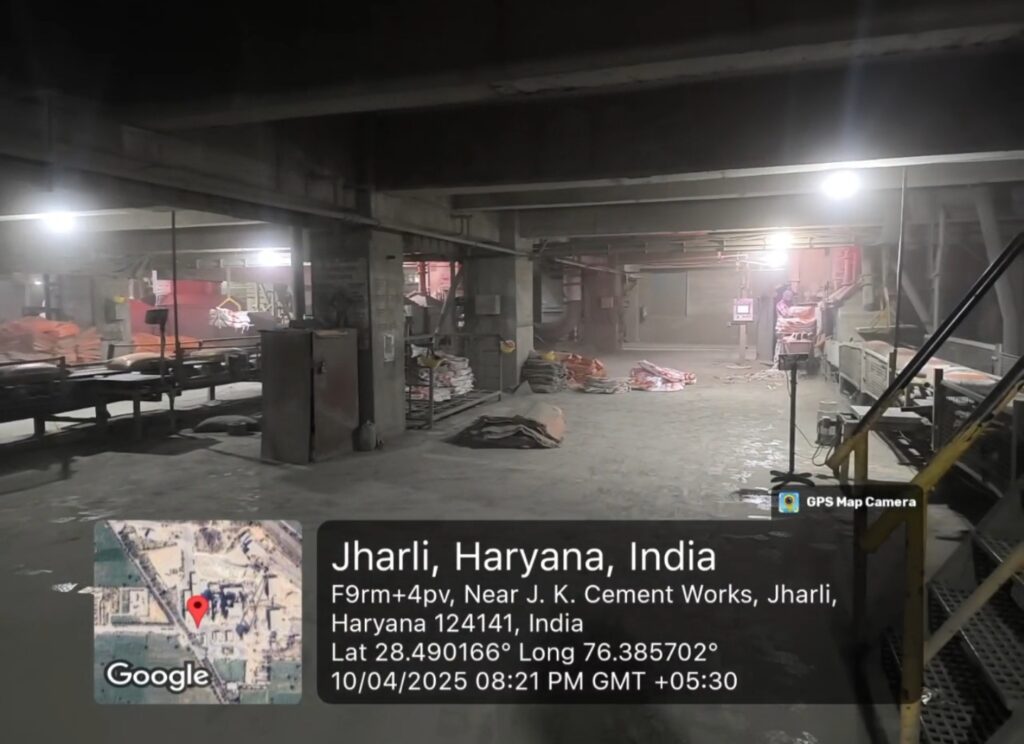
3️⃣ Dust Control Inside the Plant

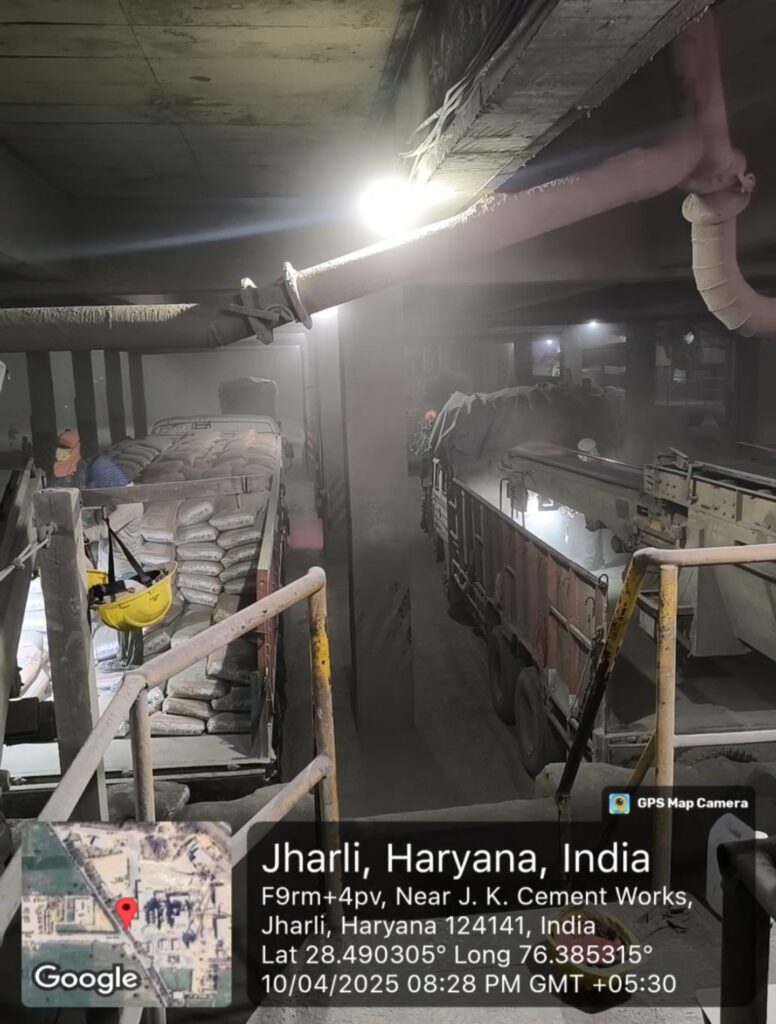
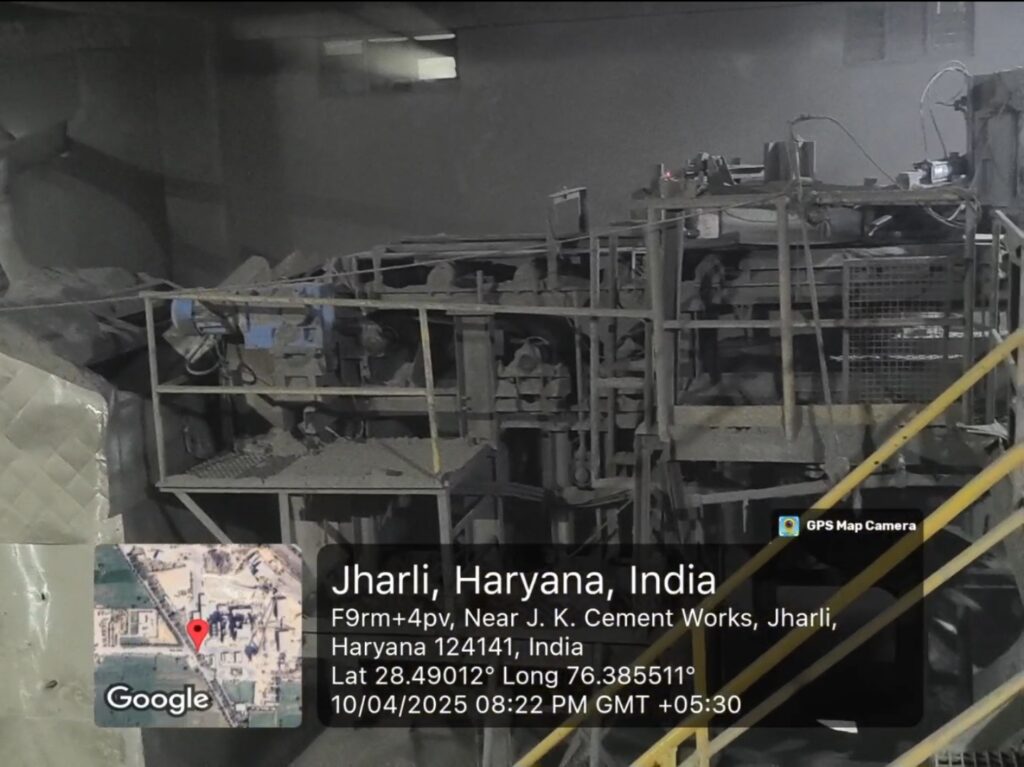
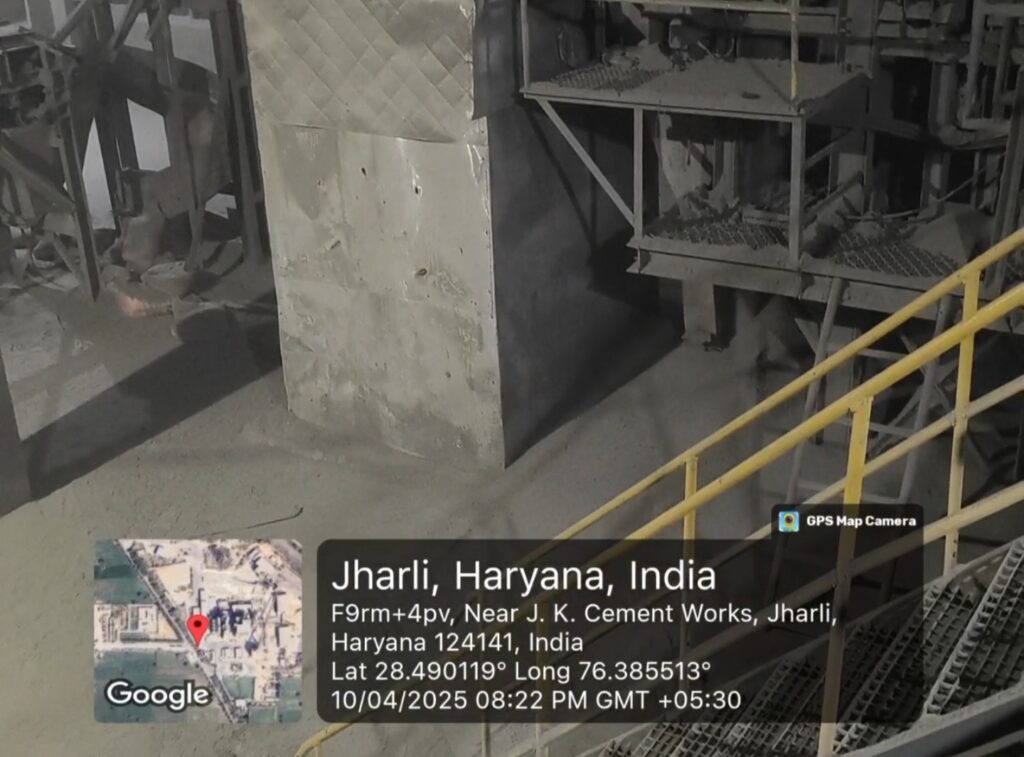
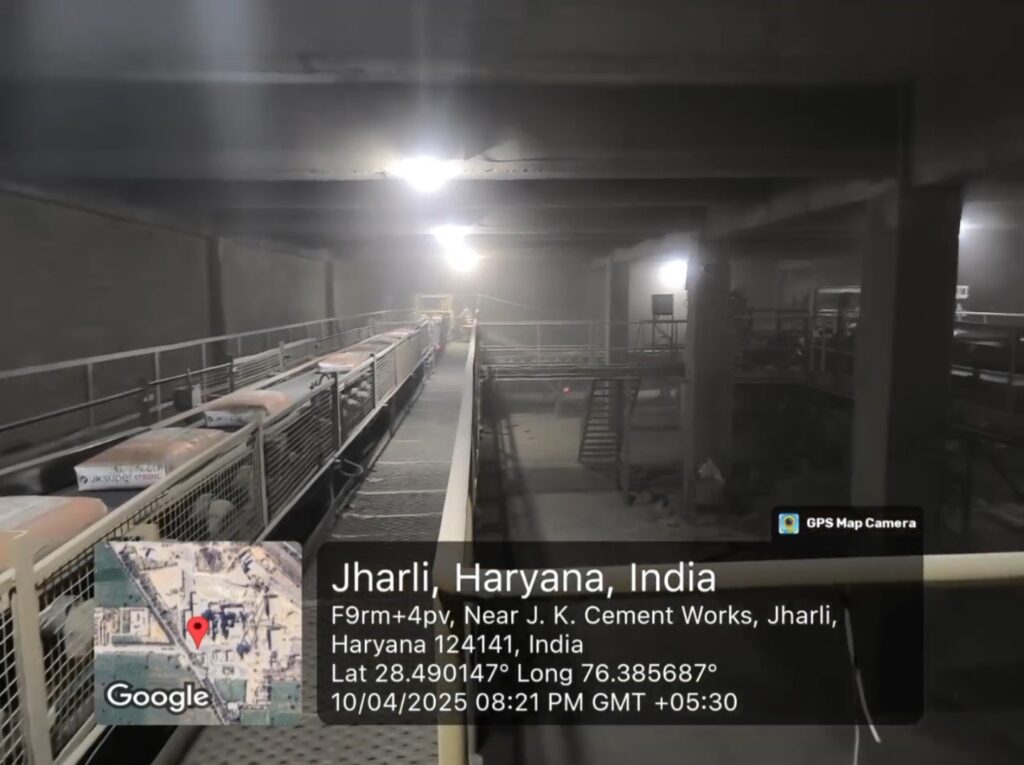
– Install dust collection and extraction systems at key points like:

– Transfer areas

– Packing and bagging zones

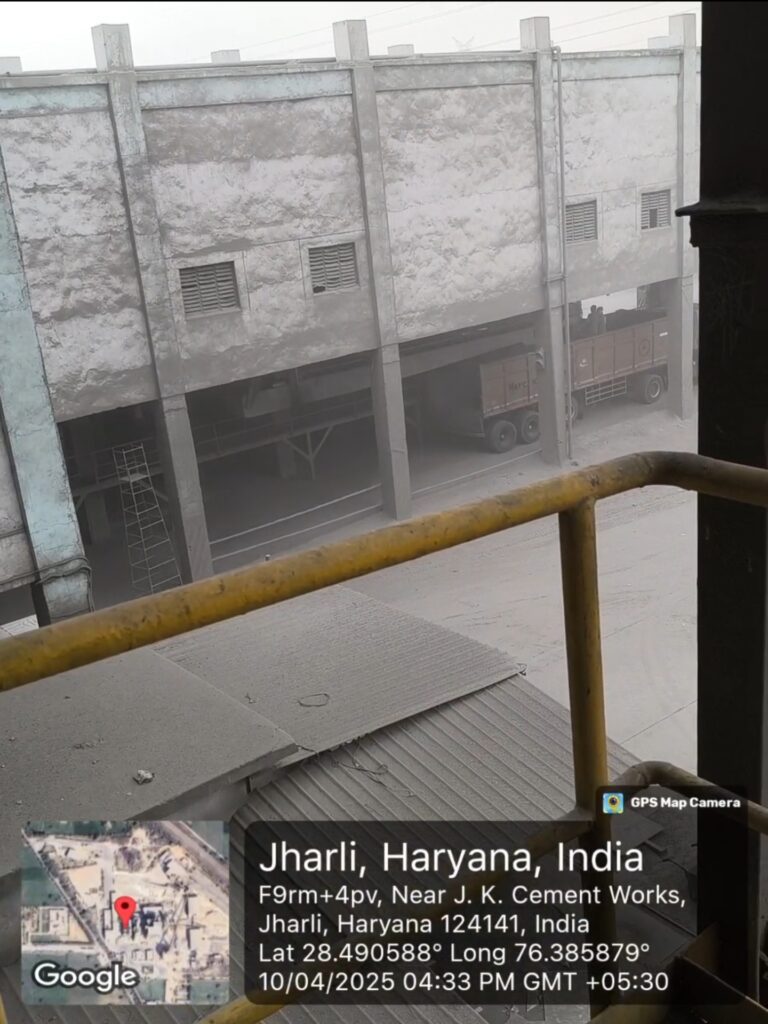
– Vehicle movement zones

– Raw material stockpiles must be fully covered.

– Clinker must be stored in a closed system.

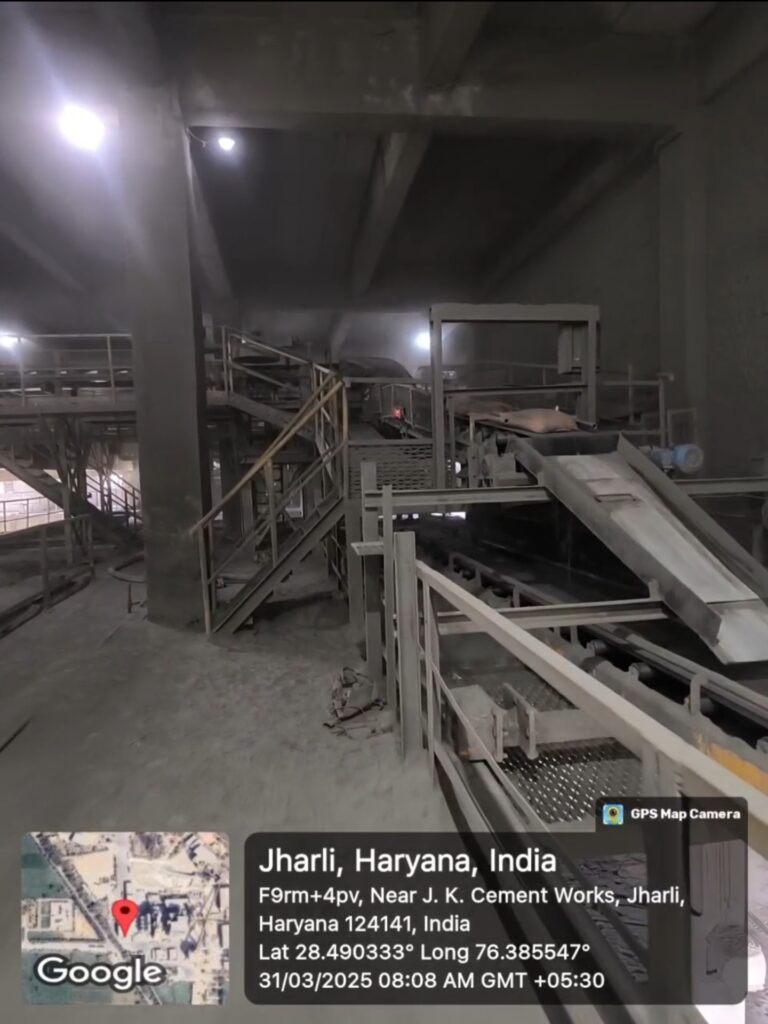
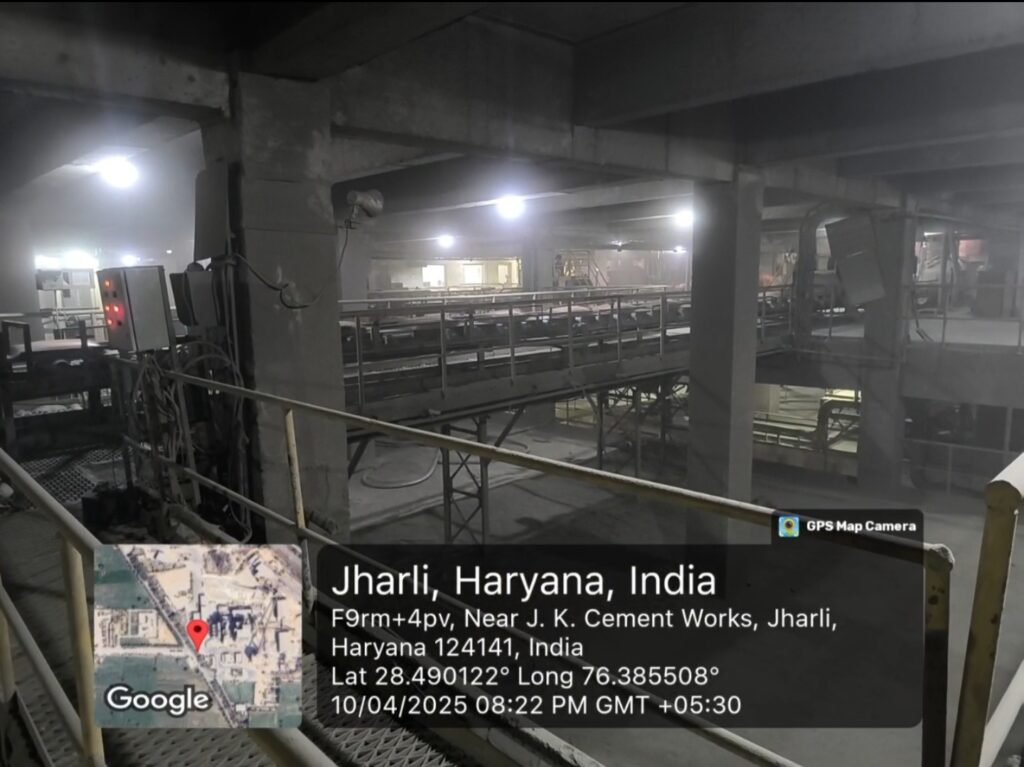
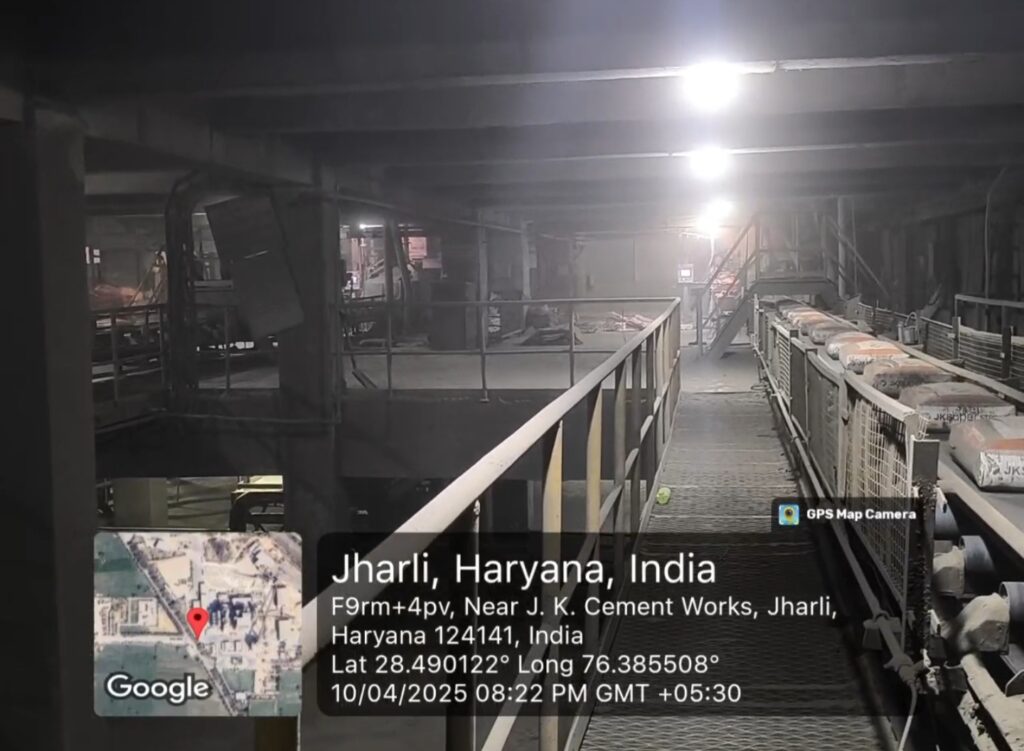
– Conveyors must be covered with GI sheets.

– Raw materials such as cement, fly ash, and clinker must be stored in silos.

– Pneumatic handling systems must be used for fly ash.

4️⃣ Control of Fugitive Emissions

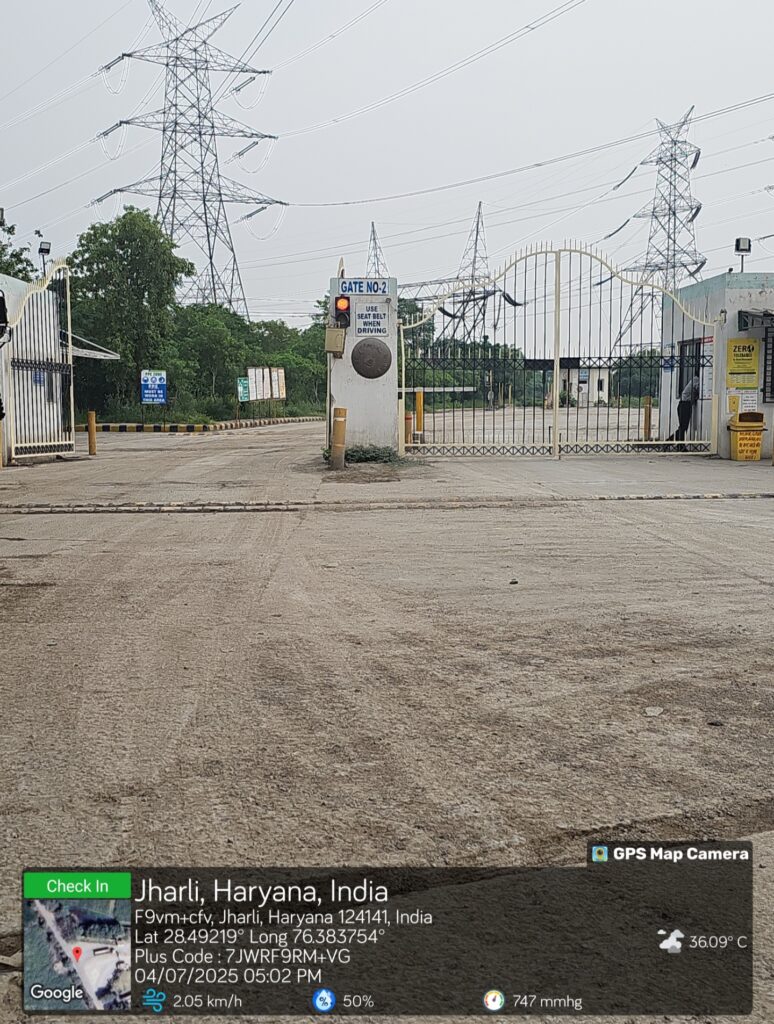
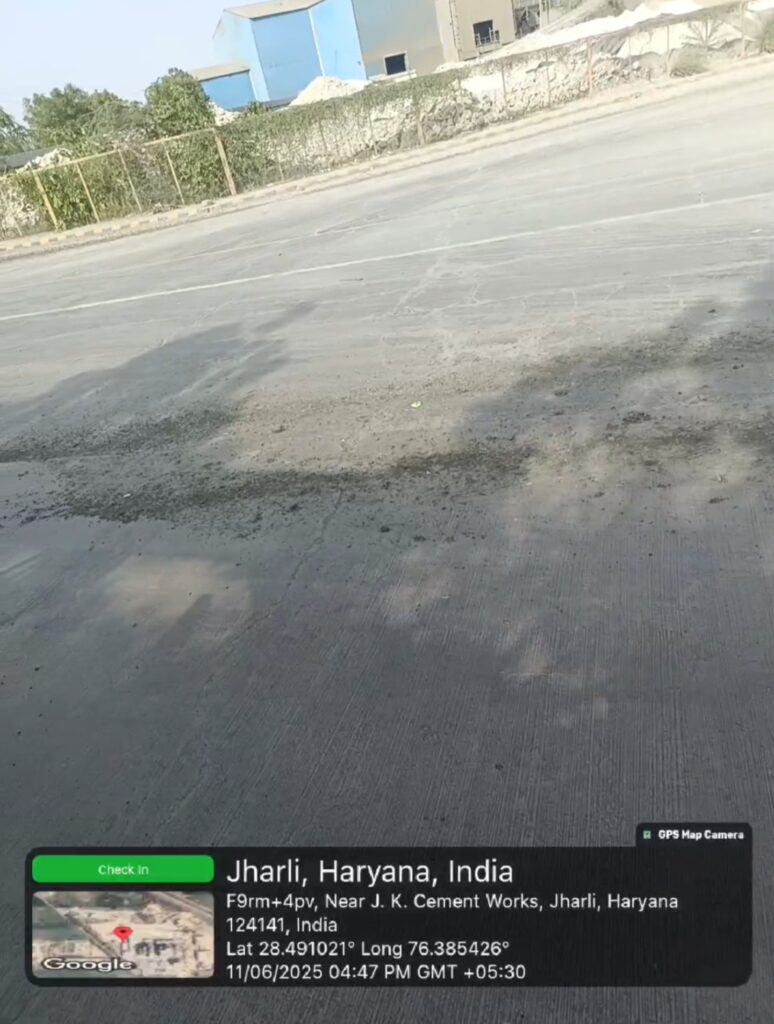
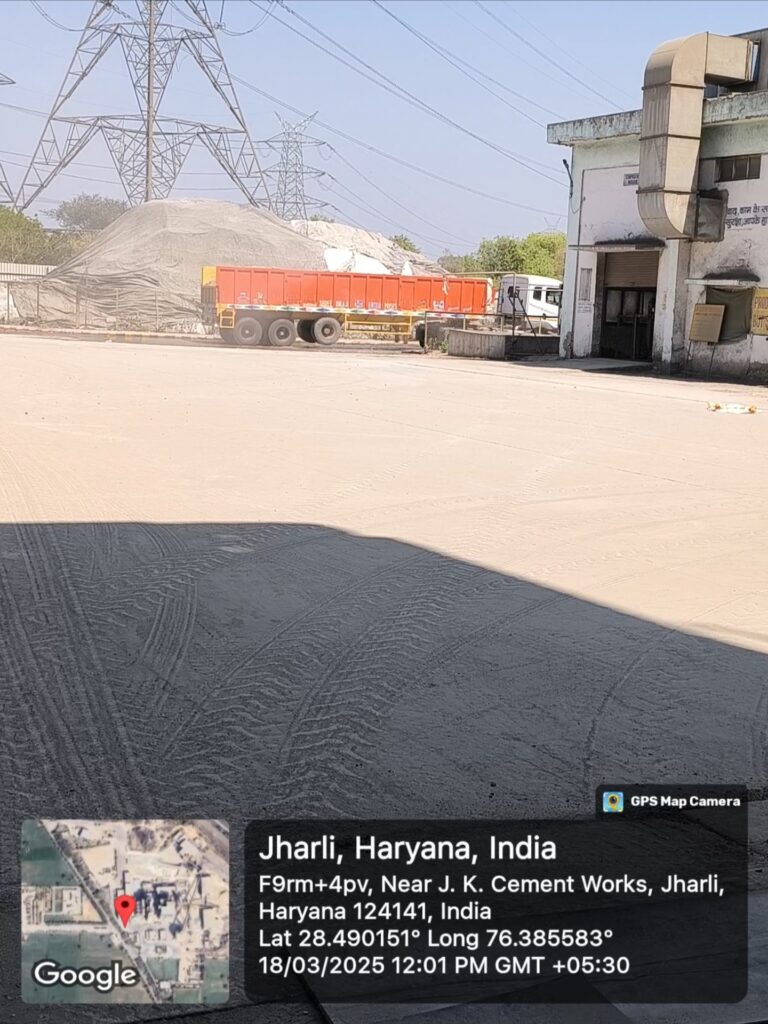
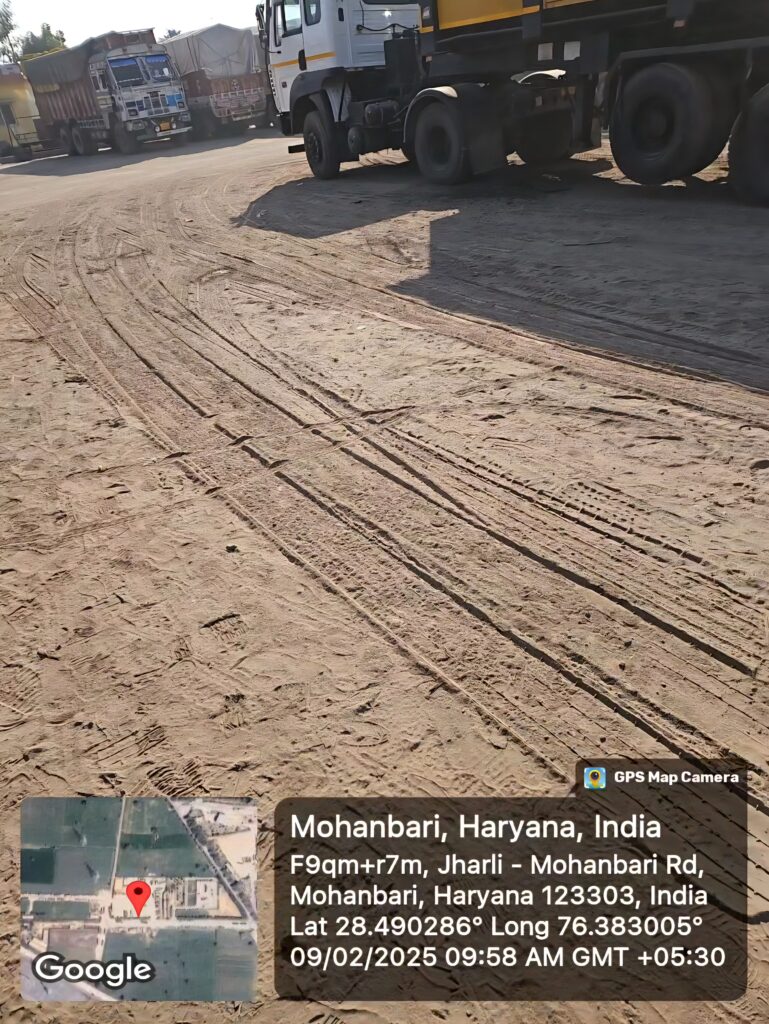
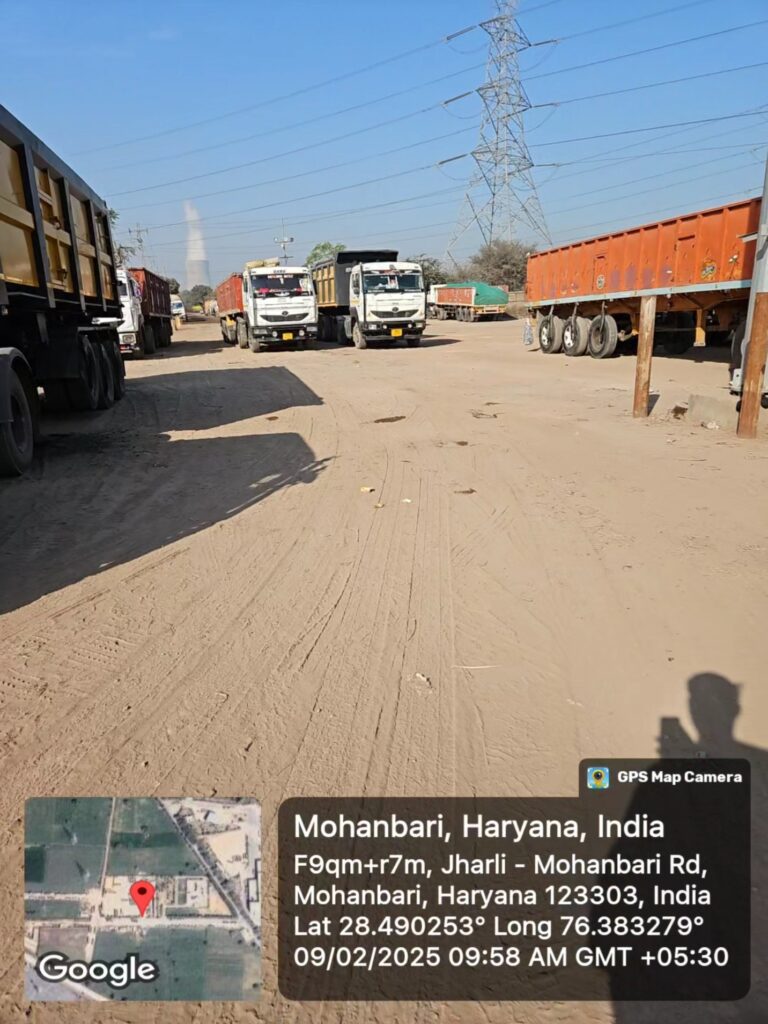
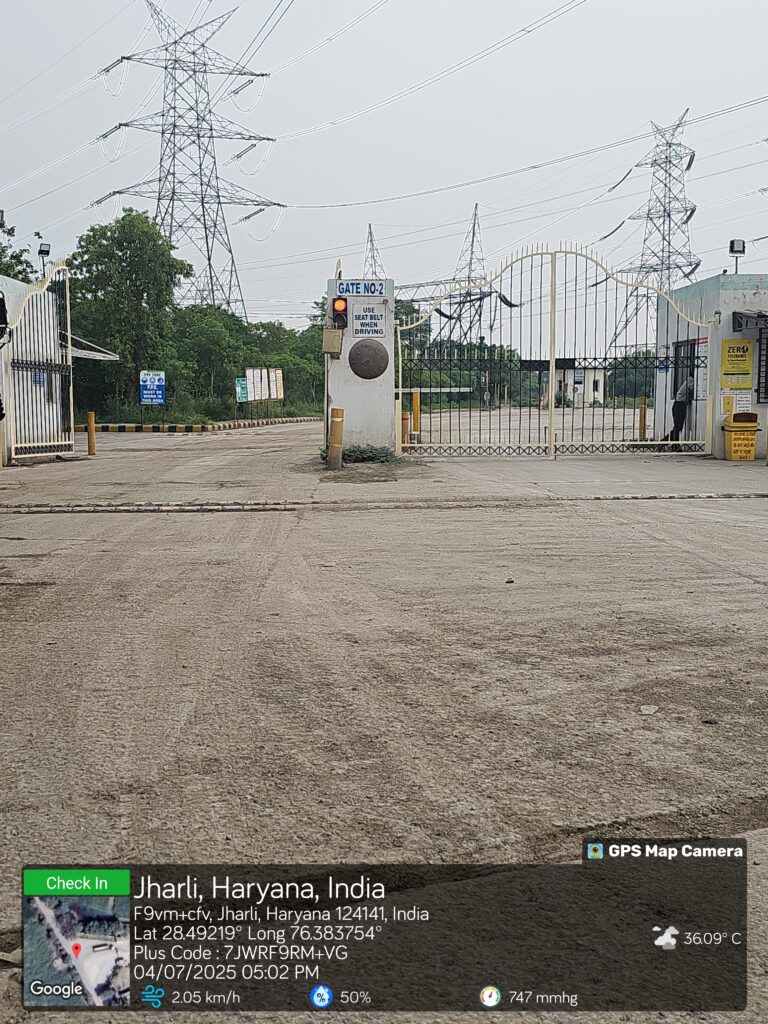
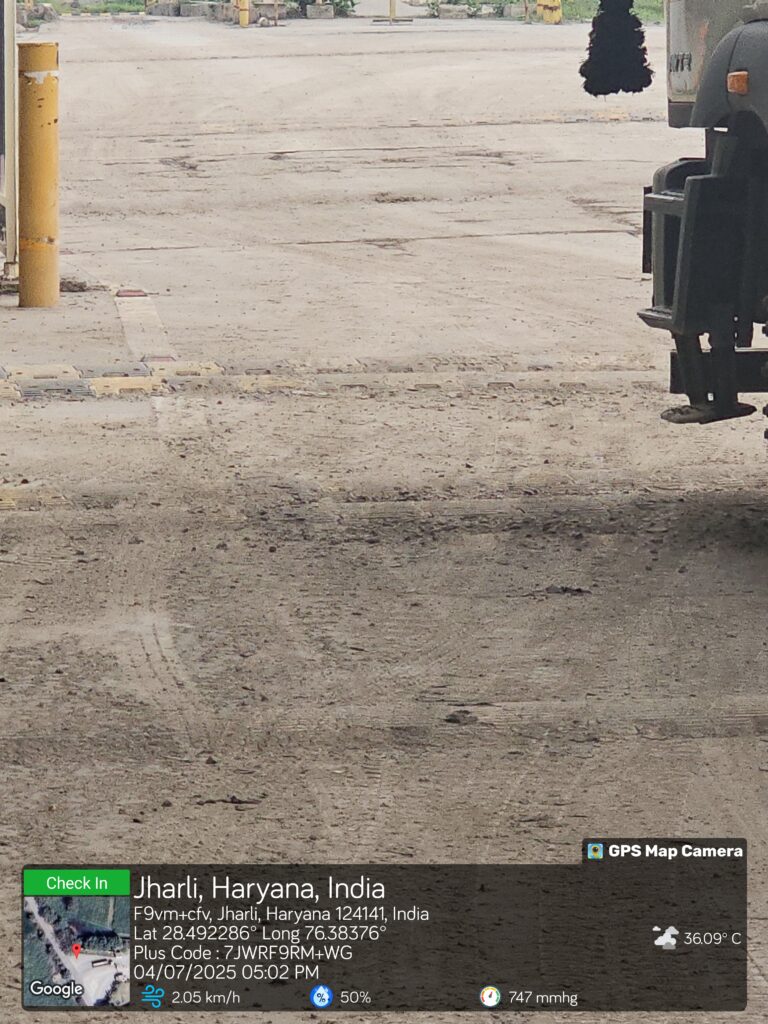
– Roads around the plant and stockyards must be asphalted or concreted.

– Regular water spraying is needed in pollution-prone areas like:

– Haul roads

– Loading/unloading zones

– Transfer points

– The plant must ensure that air quality always meets CPCB norms.

5️⃣ Transport Guidelines

– Efforts must be made to minimize the environmental impact of transporting raw materials and finished products.

– All material especially fly as should be carried in closed containers, never uncovered or overloaded.

– Vehicular emissions must be monitored, and all vehicles must have a valid Pollution Under Control (PUC) certificate.
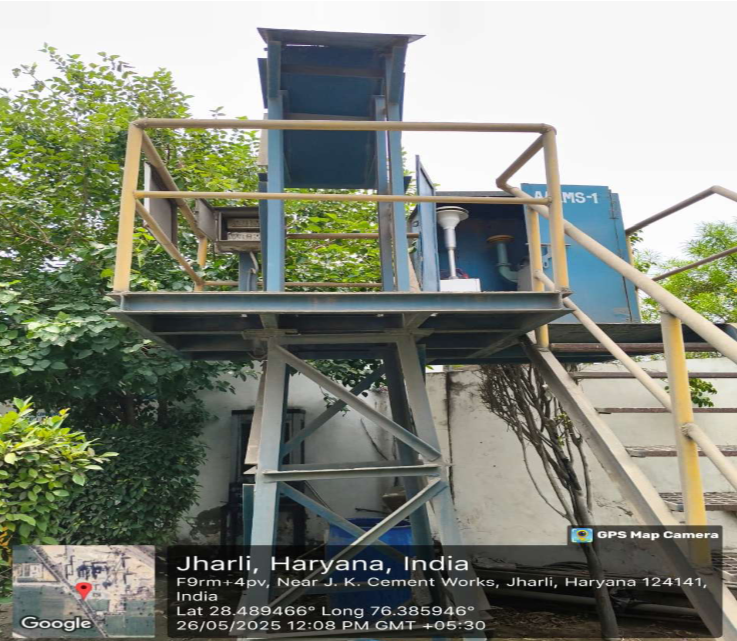
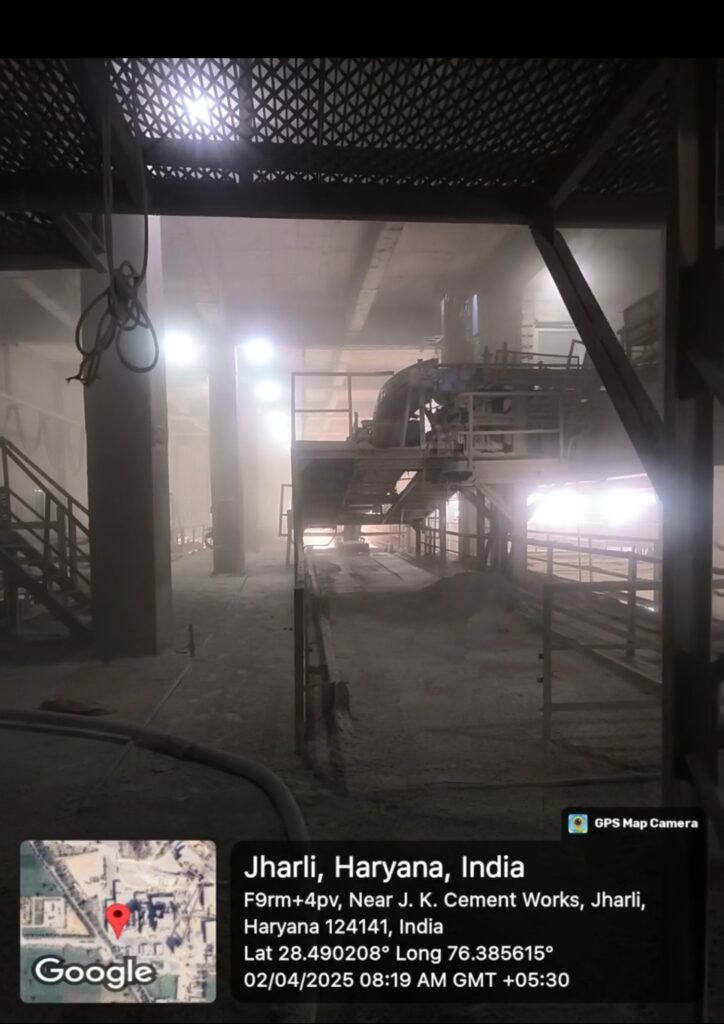
                                                      REAL SITUATION

Fake Compliance Reports and Ongoing Pollution by Cement Plant
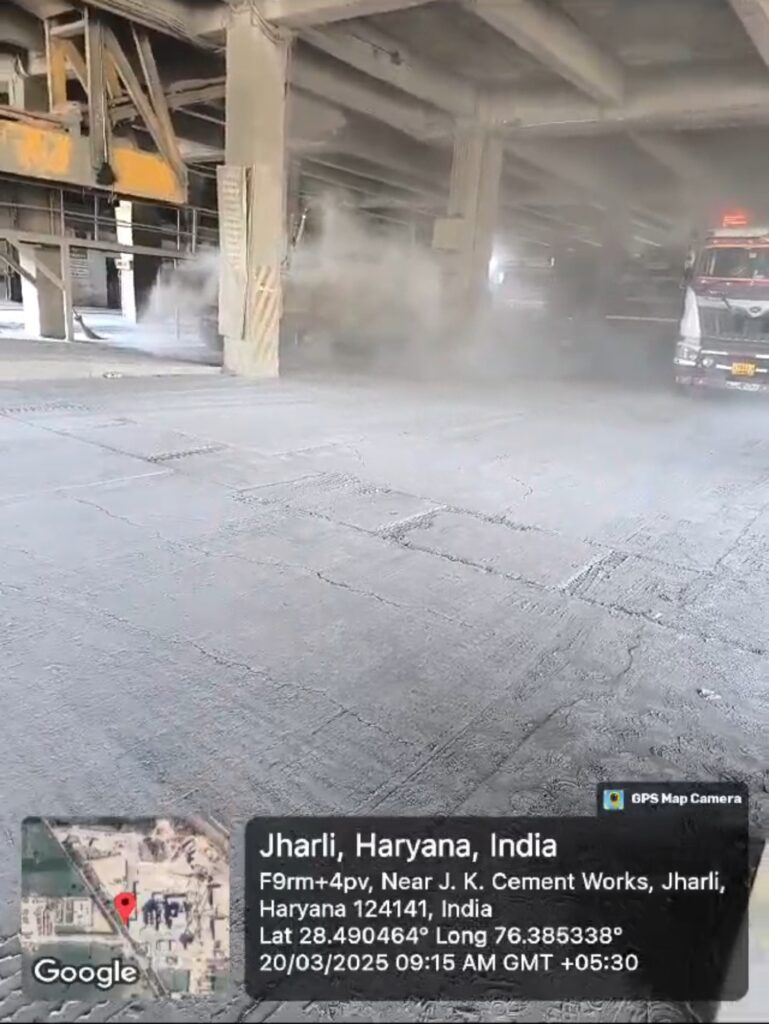
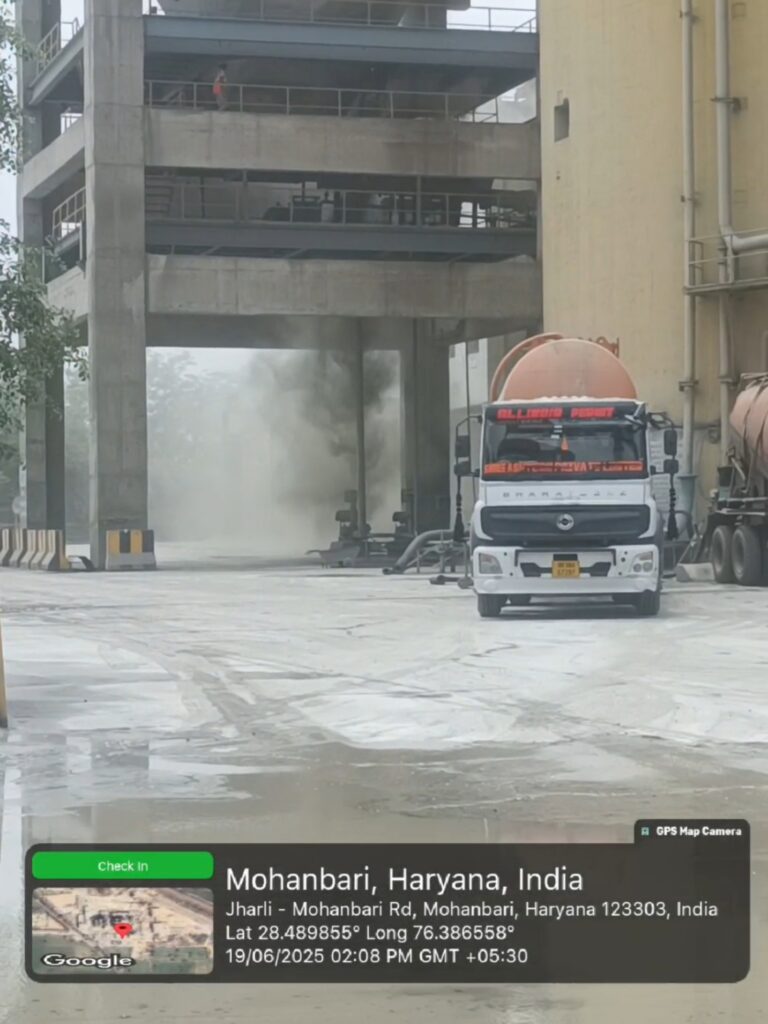
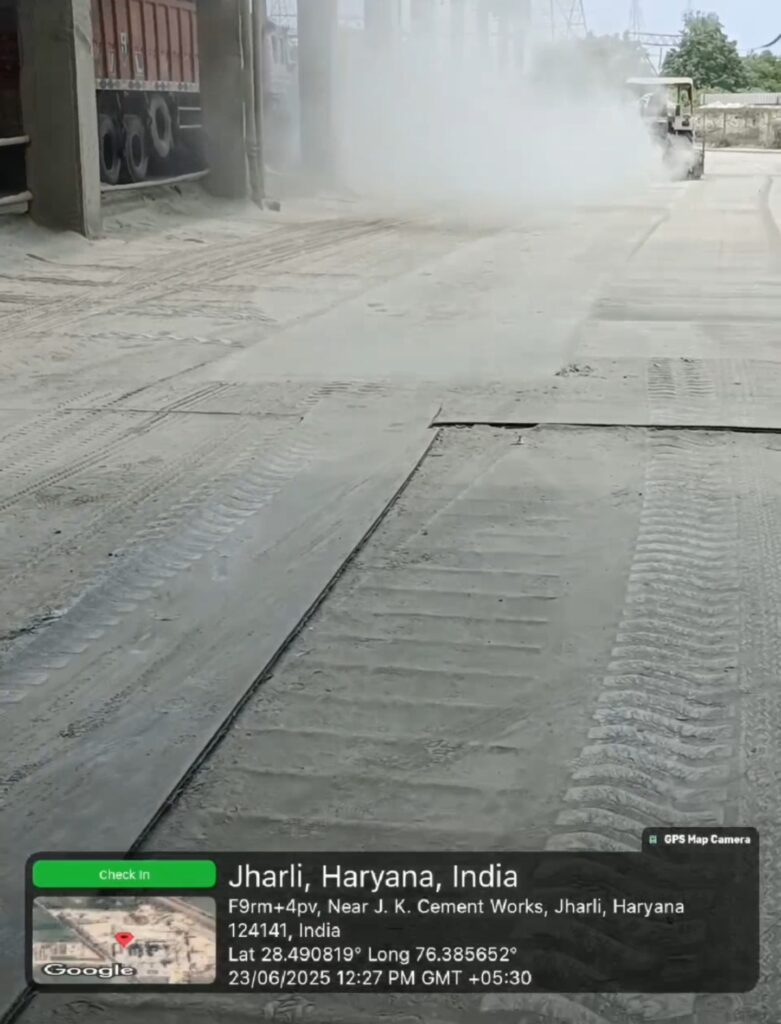
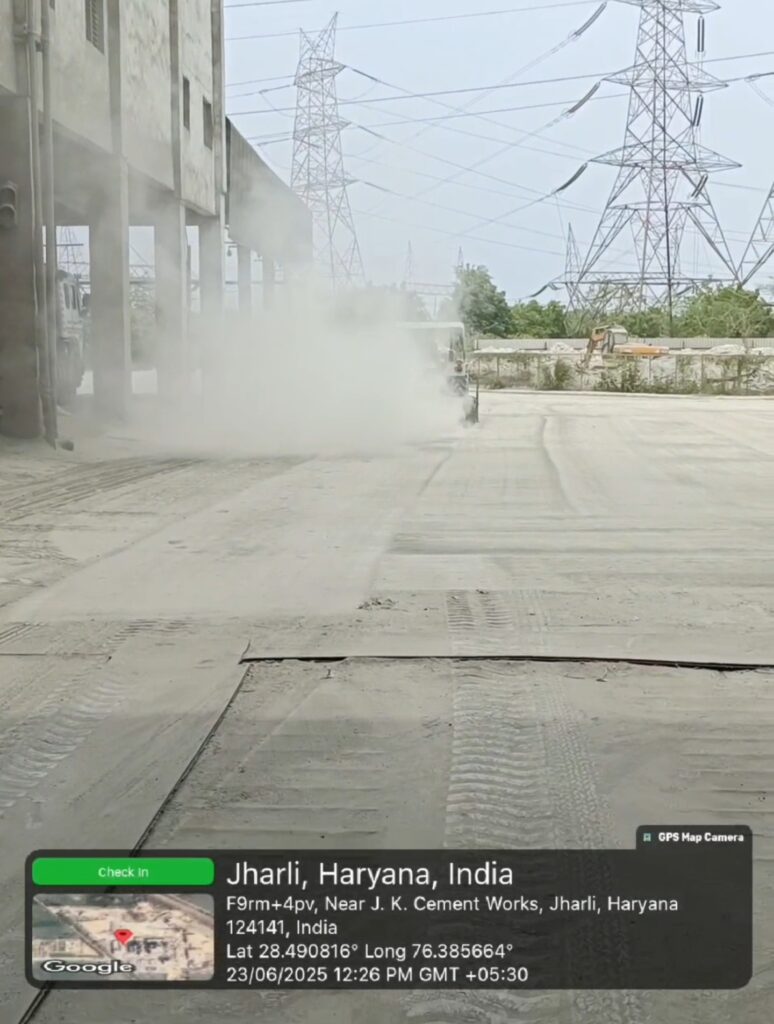
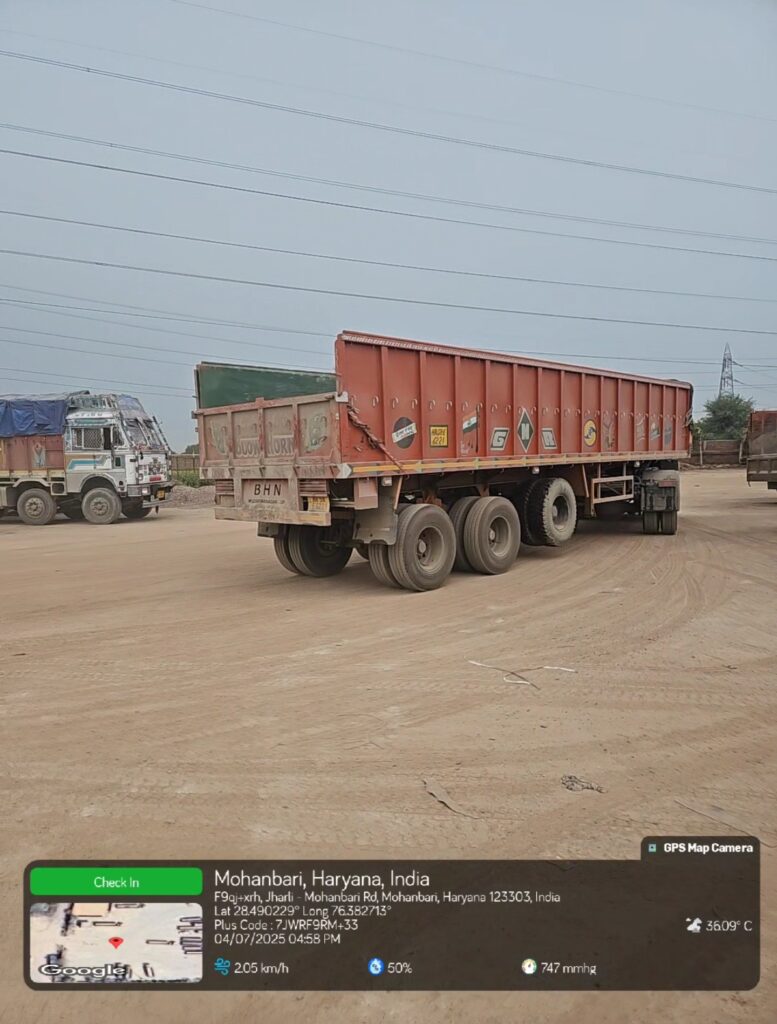
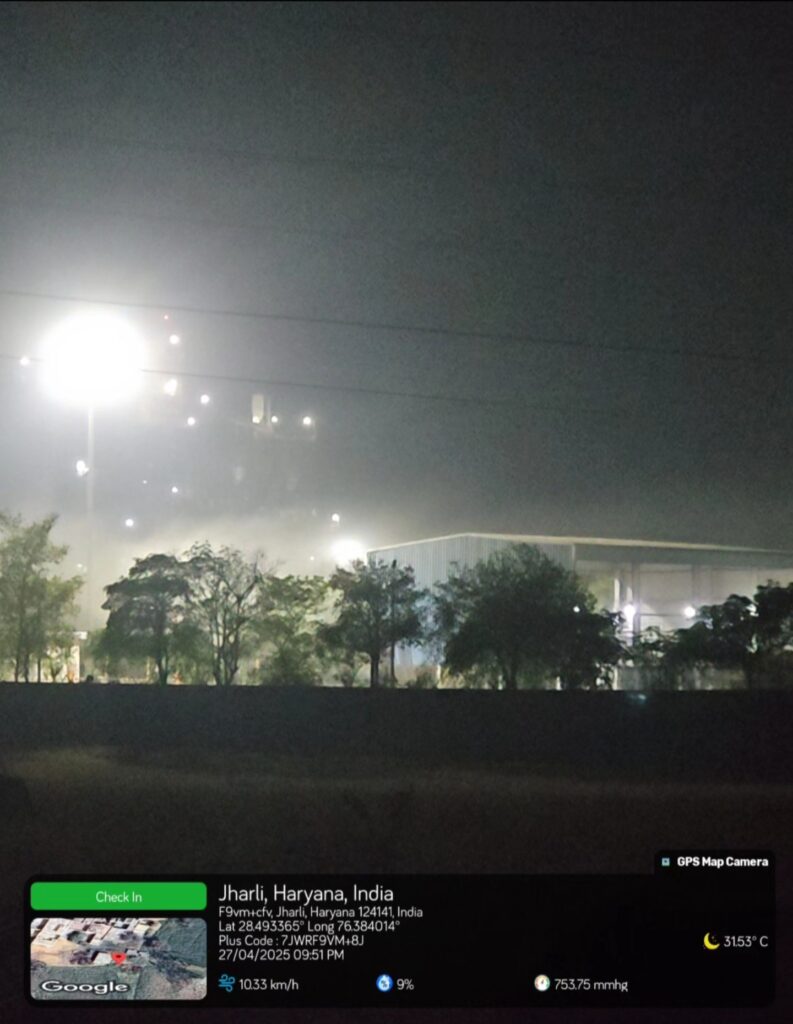
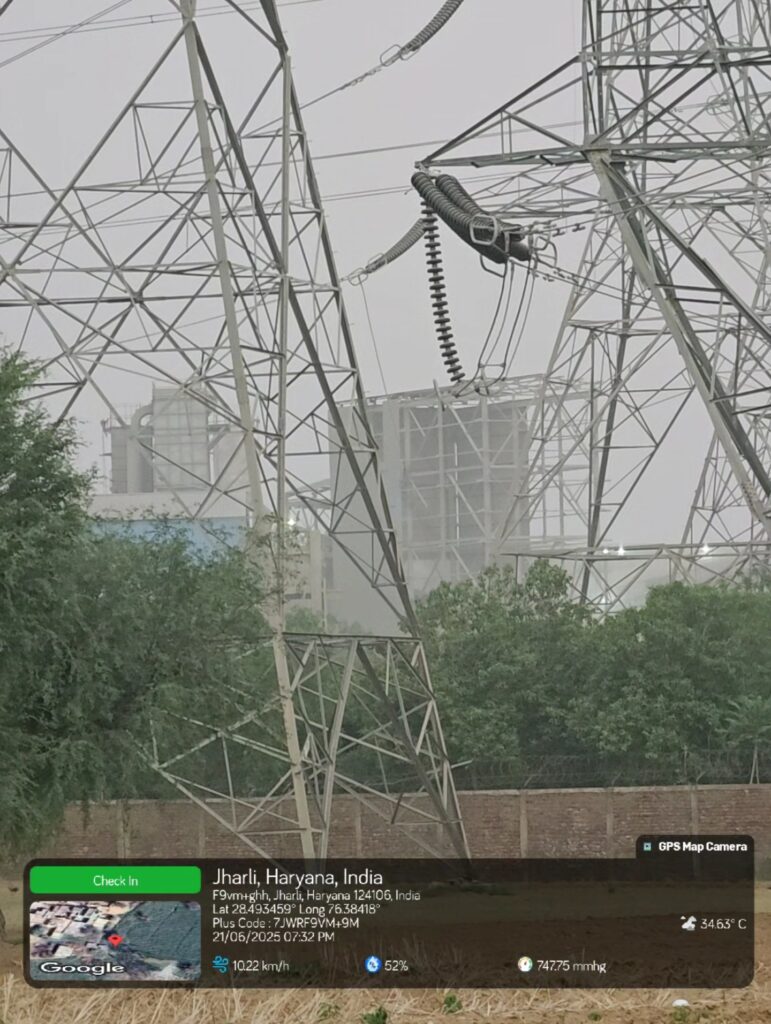
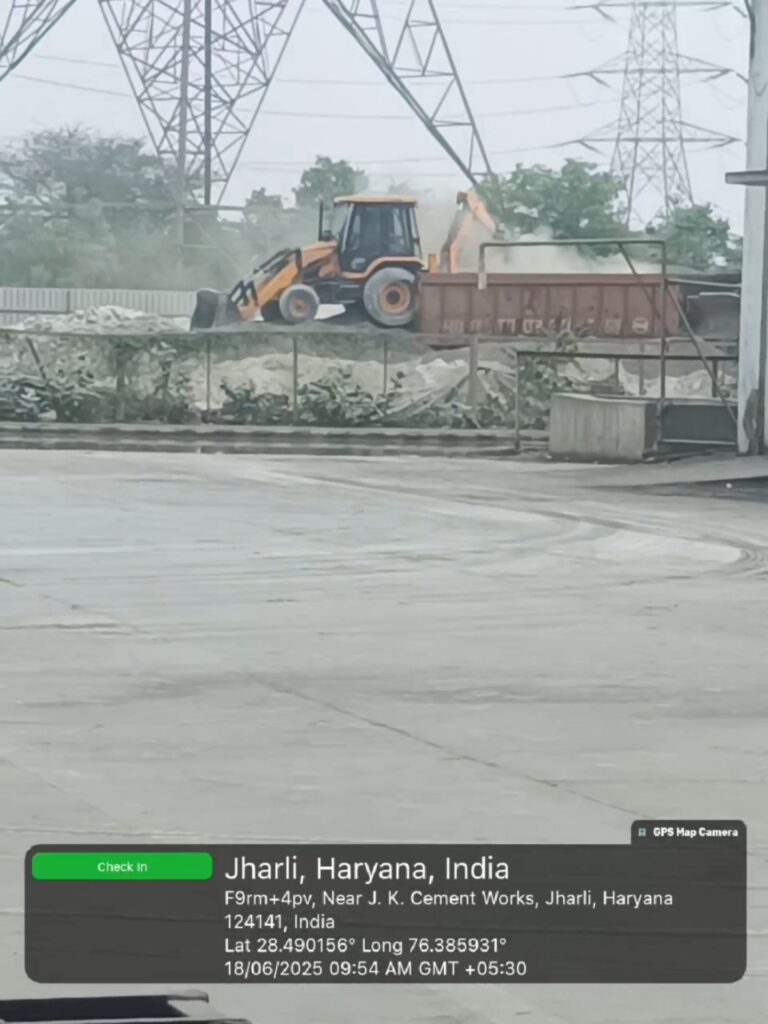
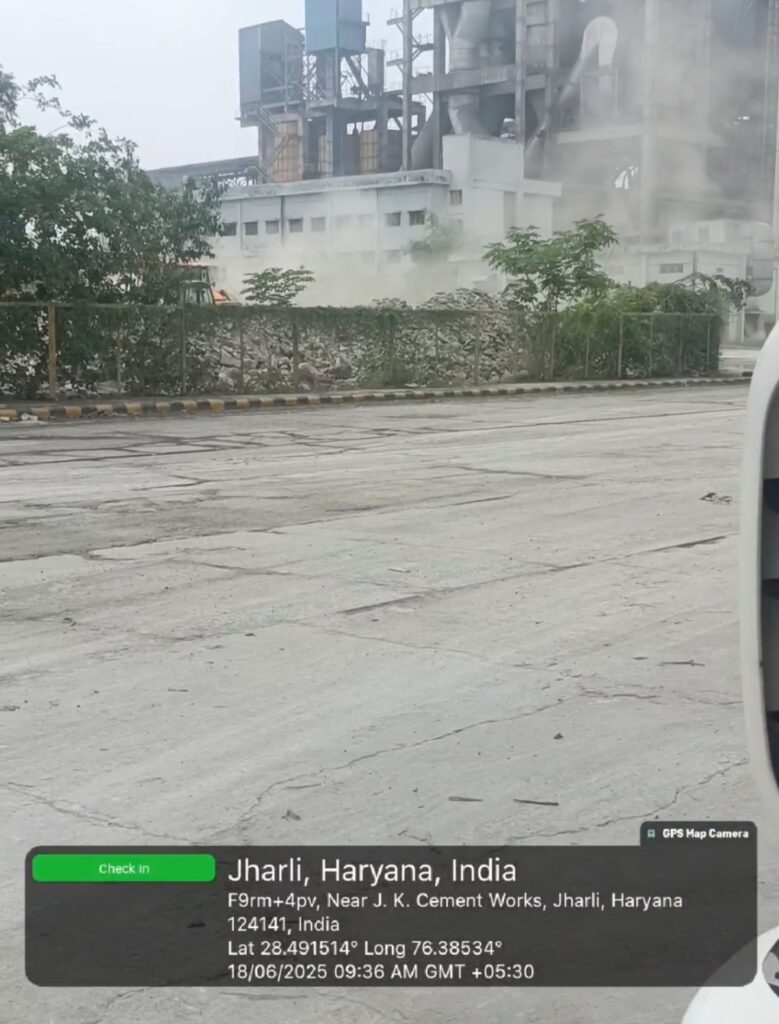
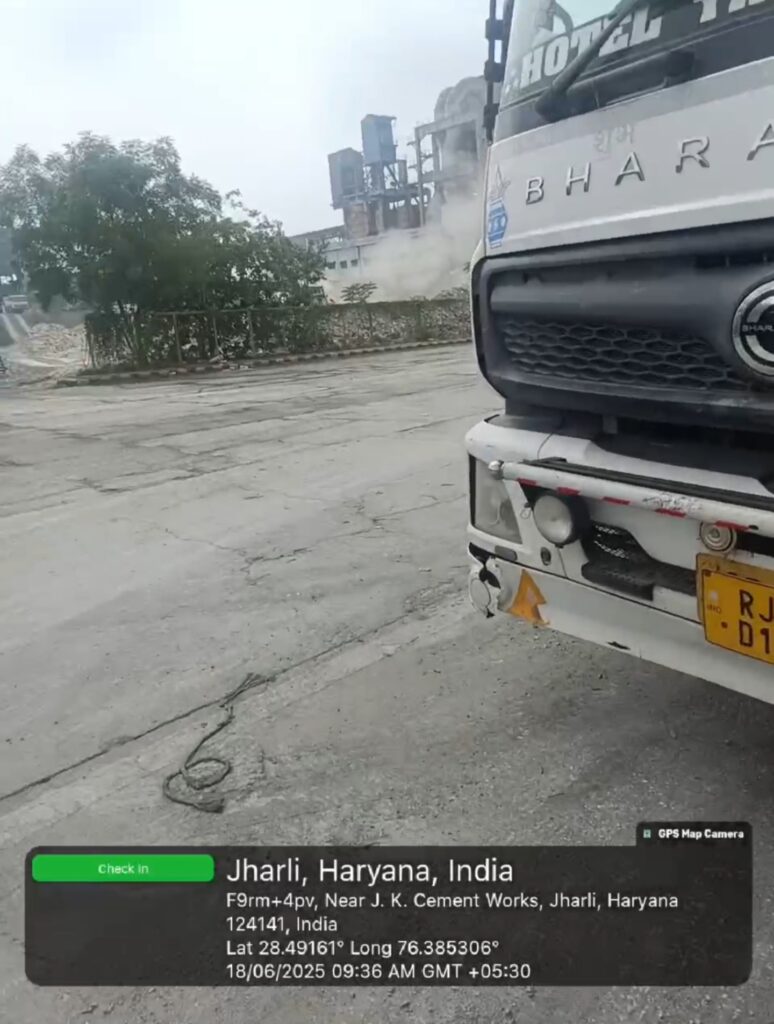
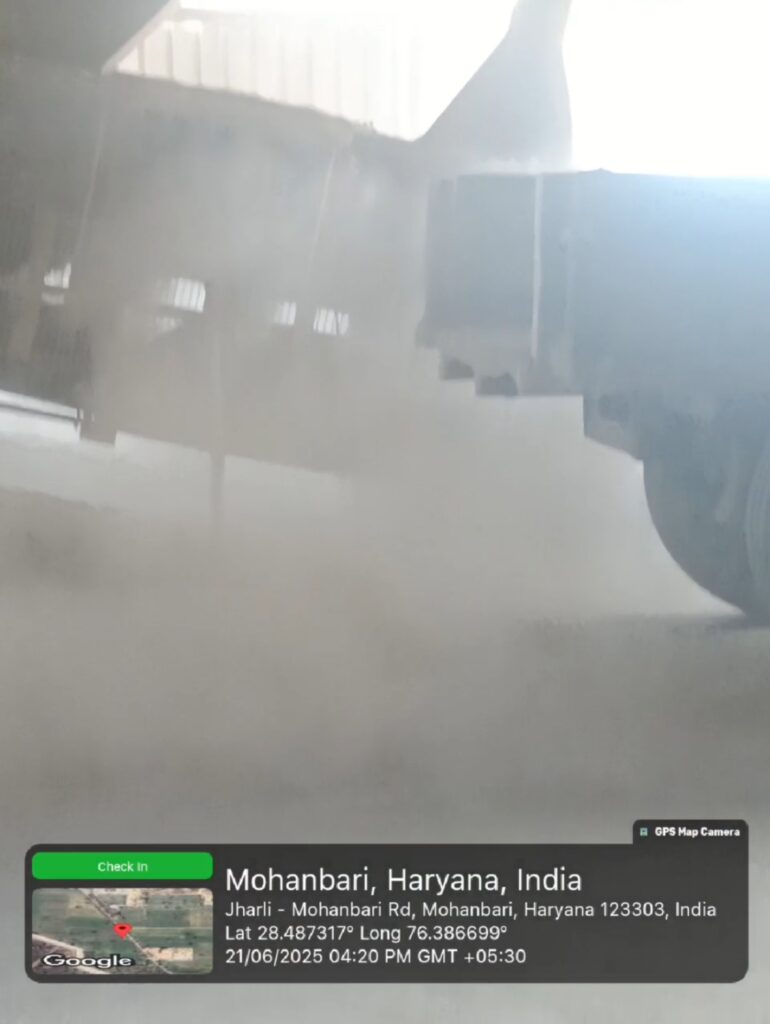
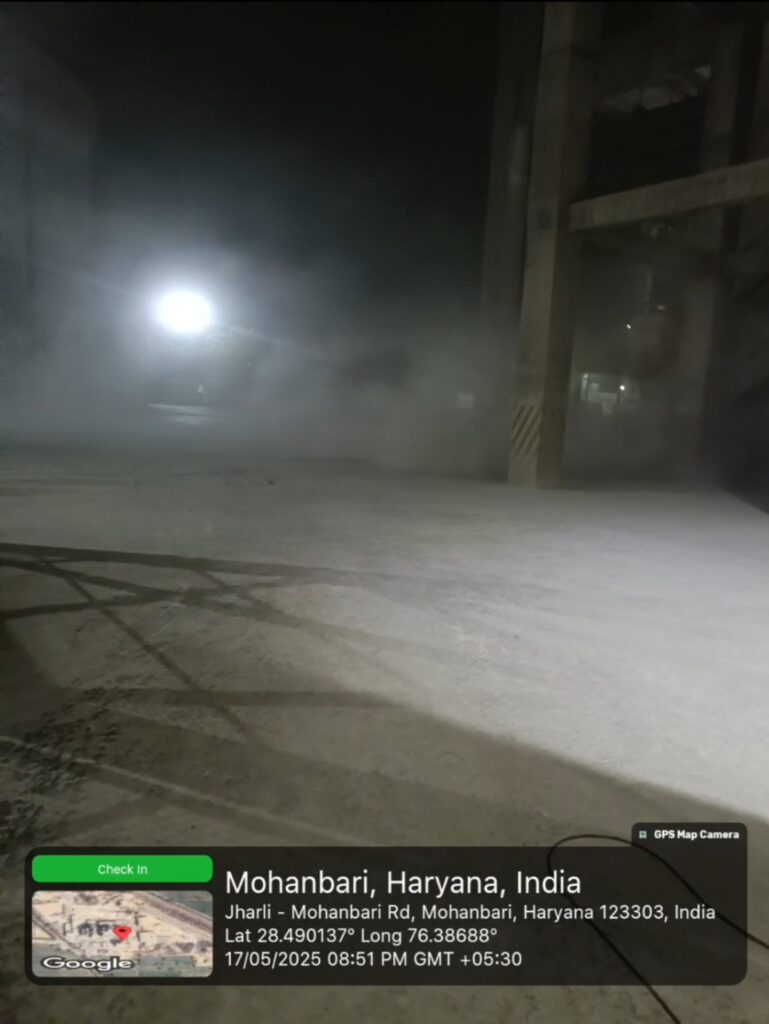
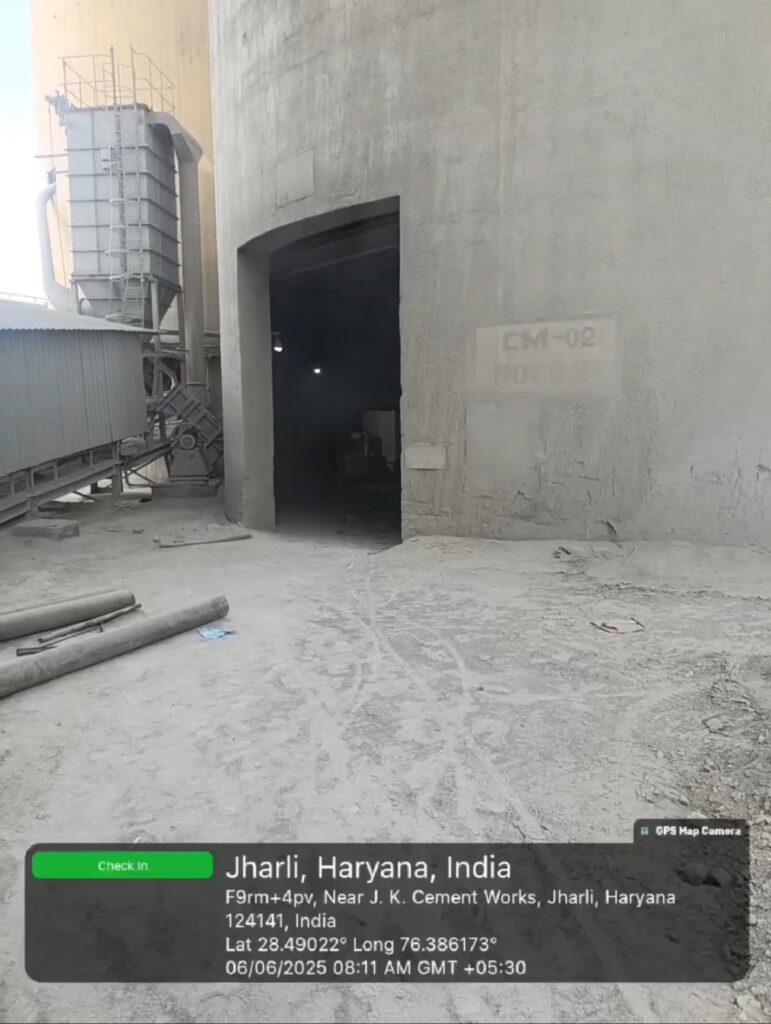
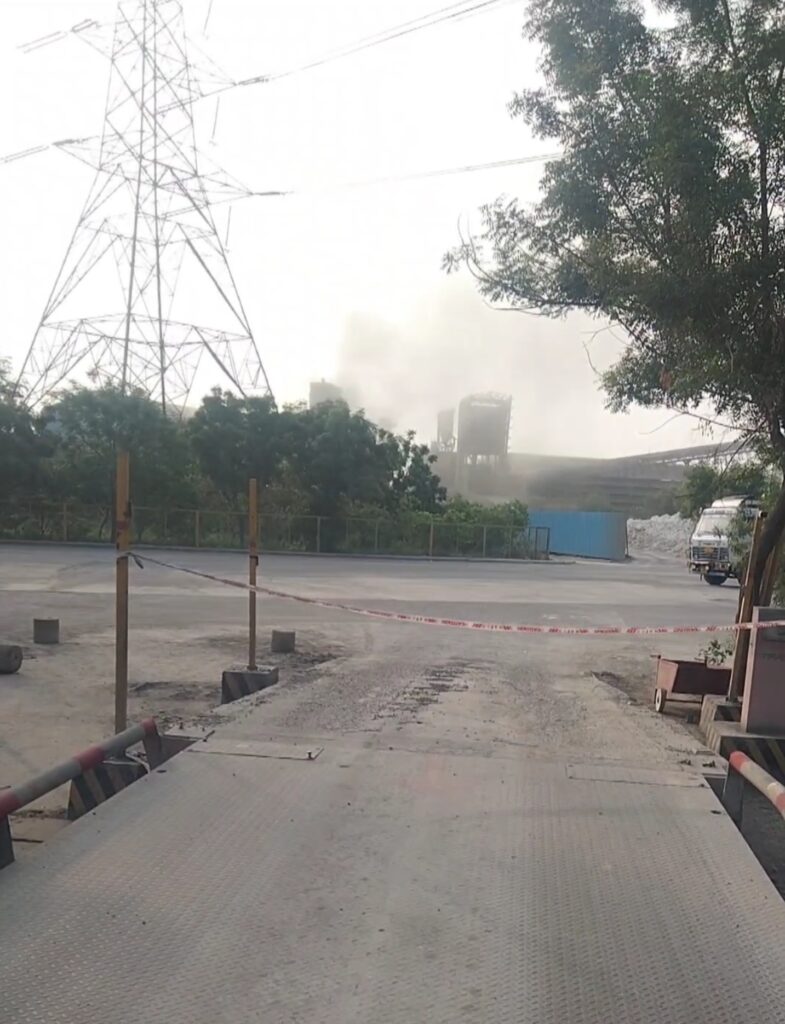
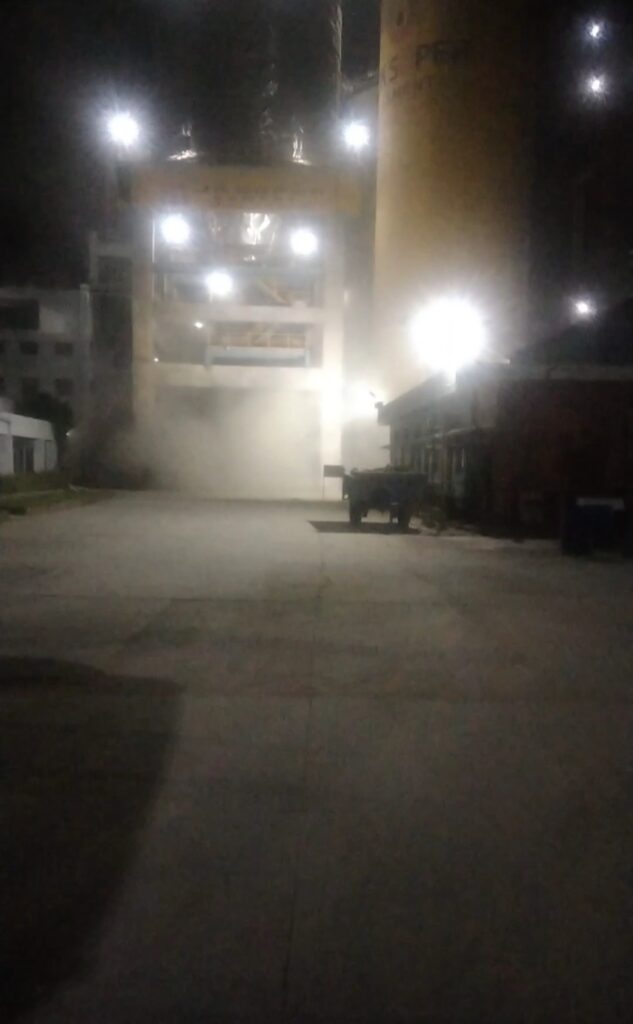
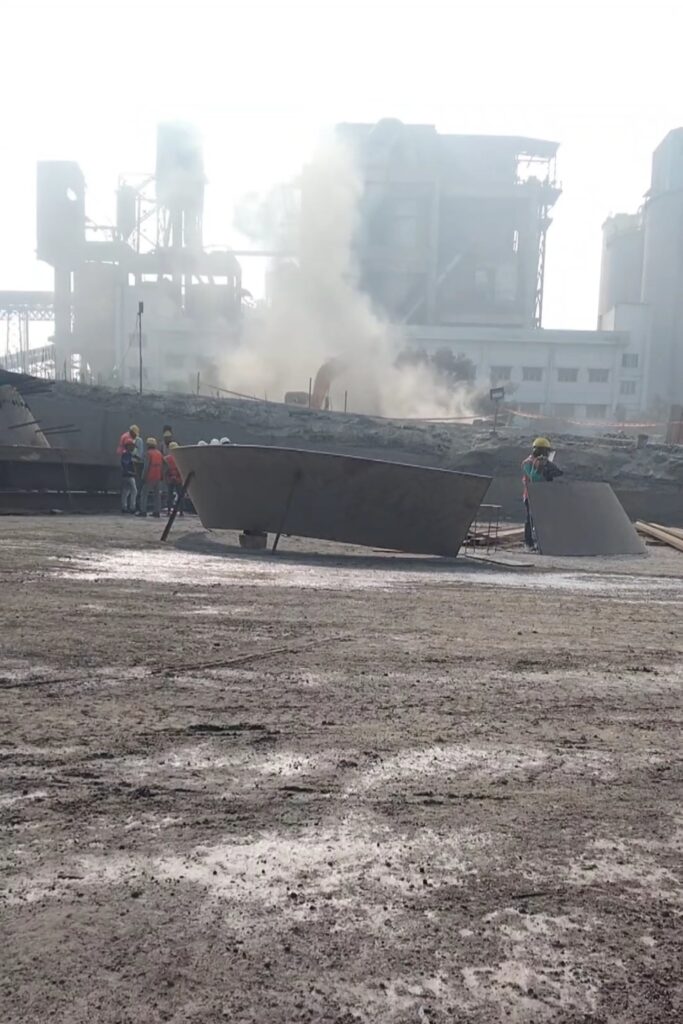
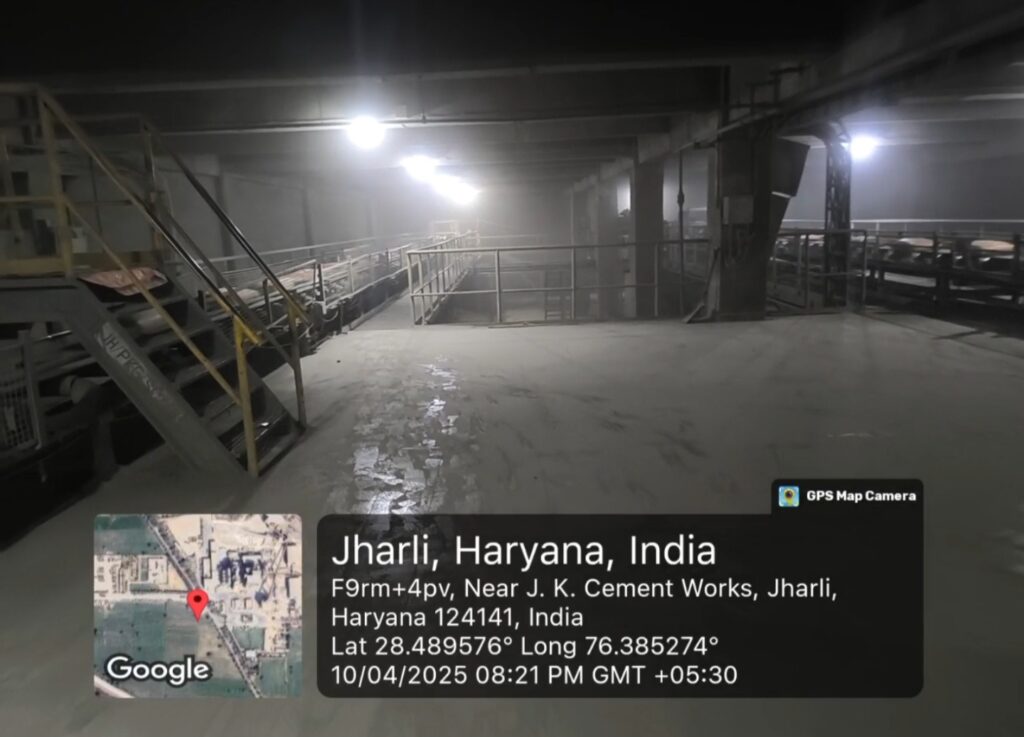
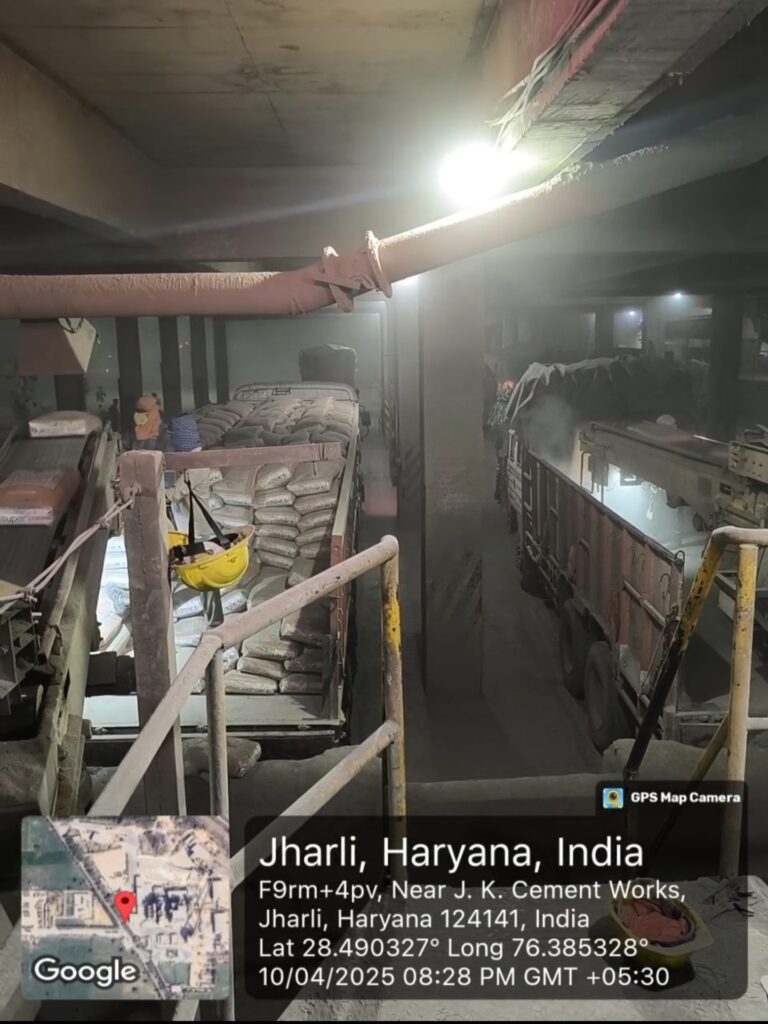
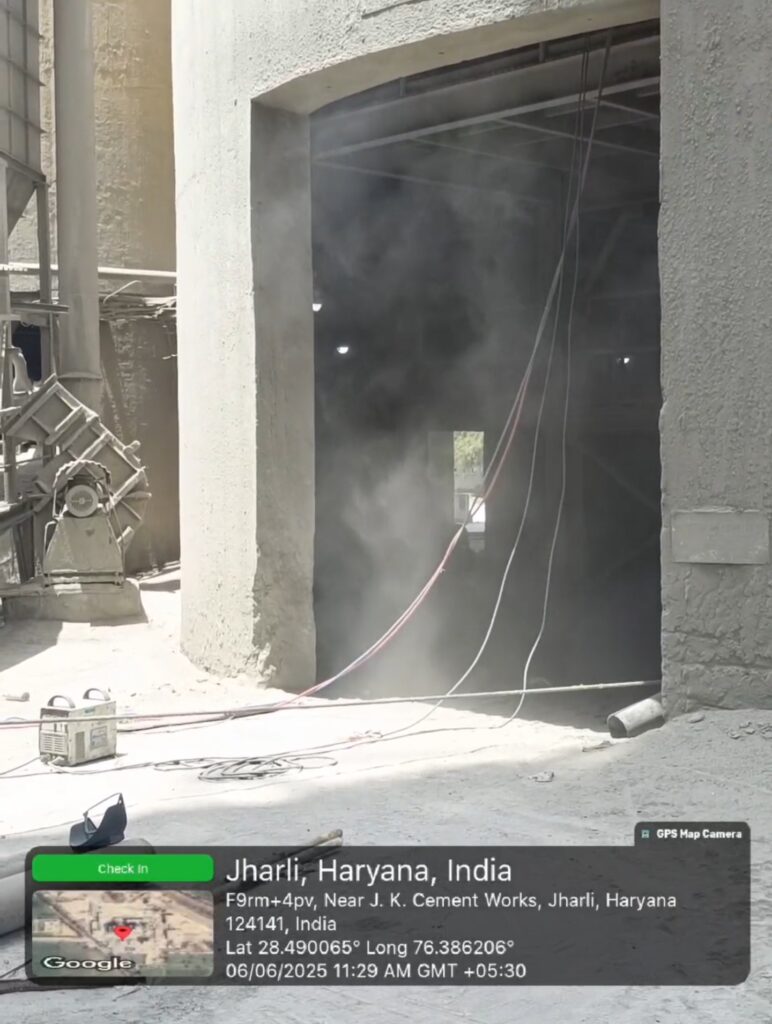
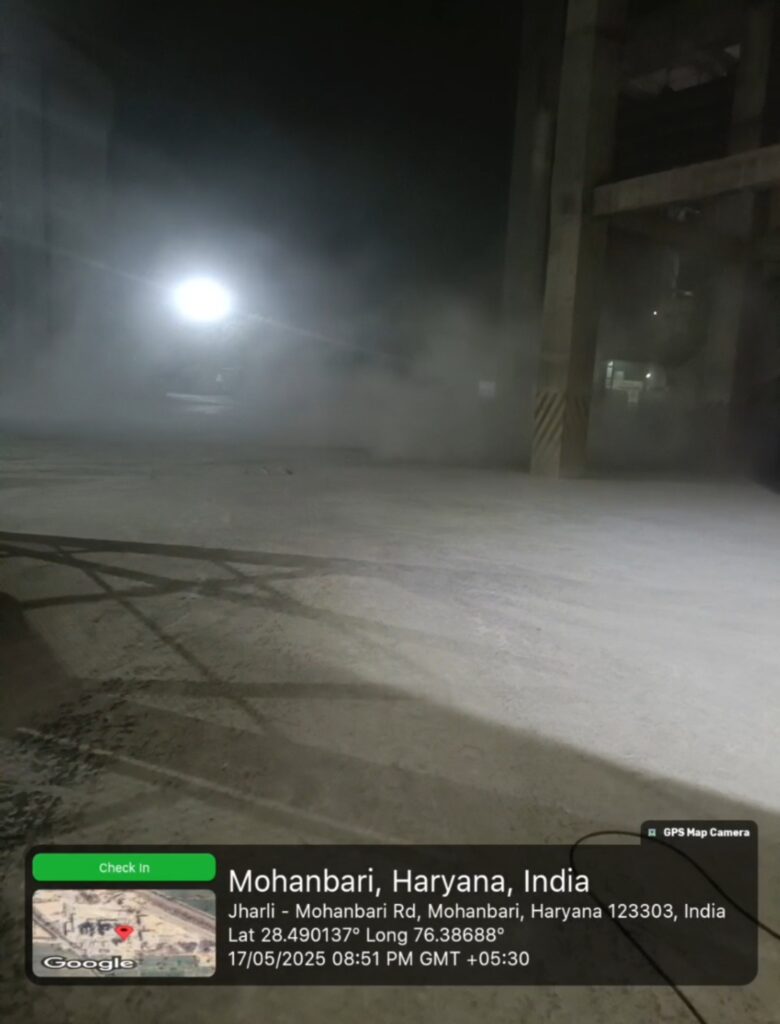
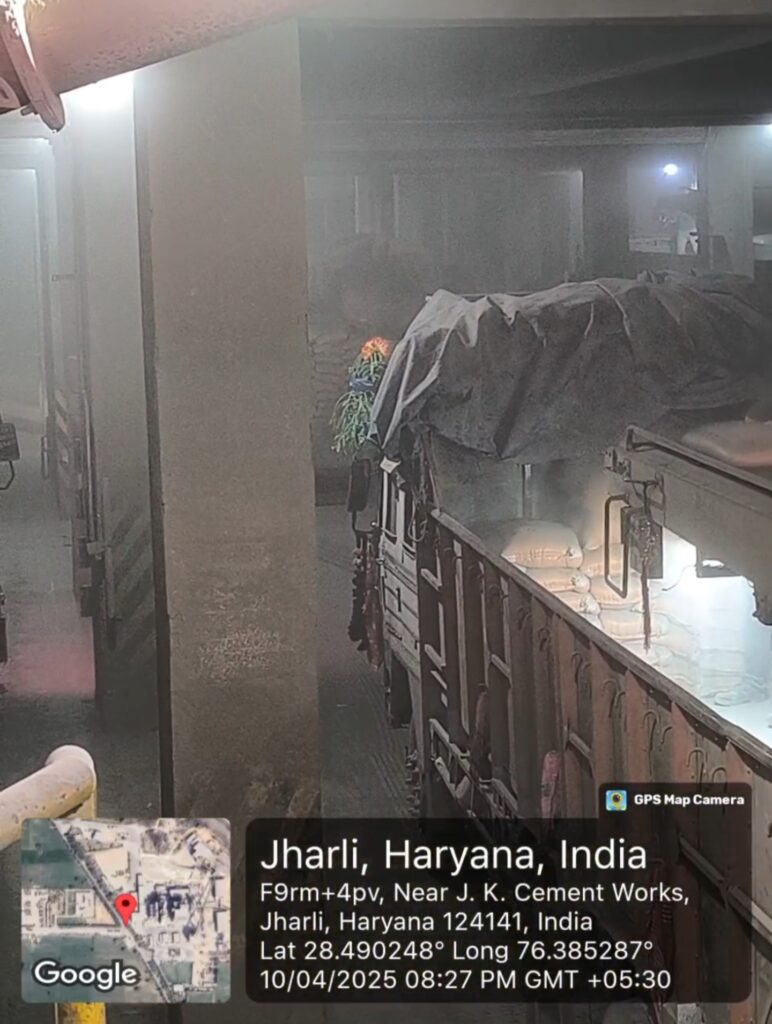
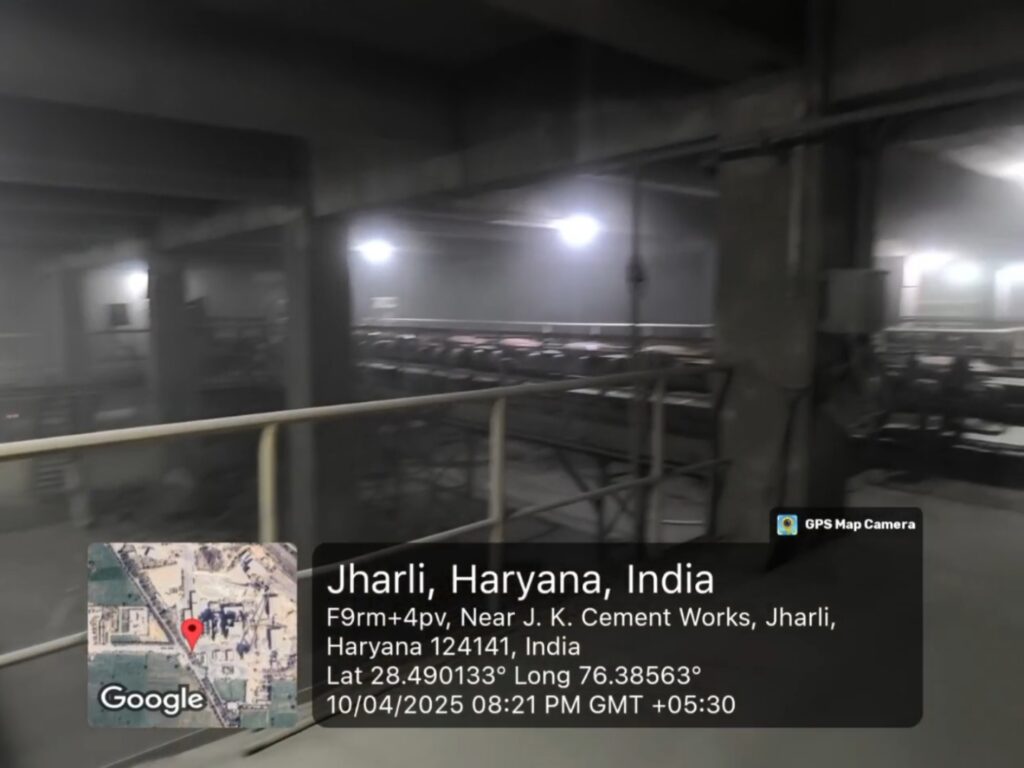
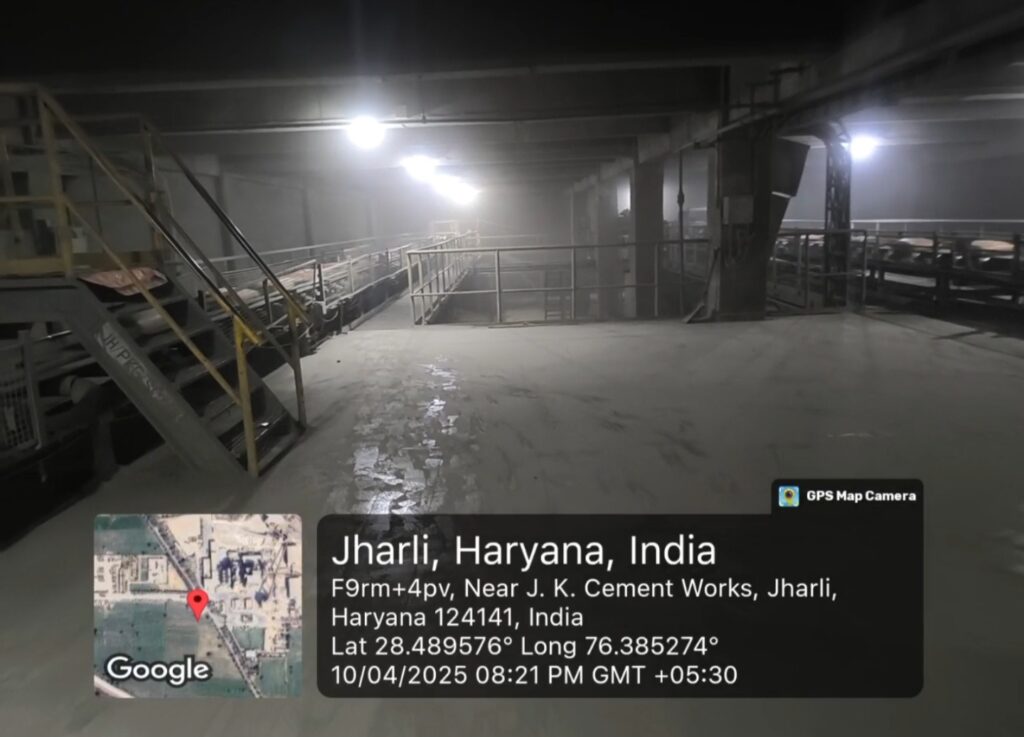
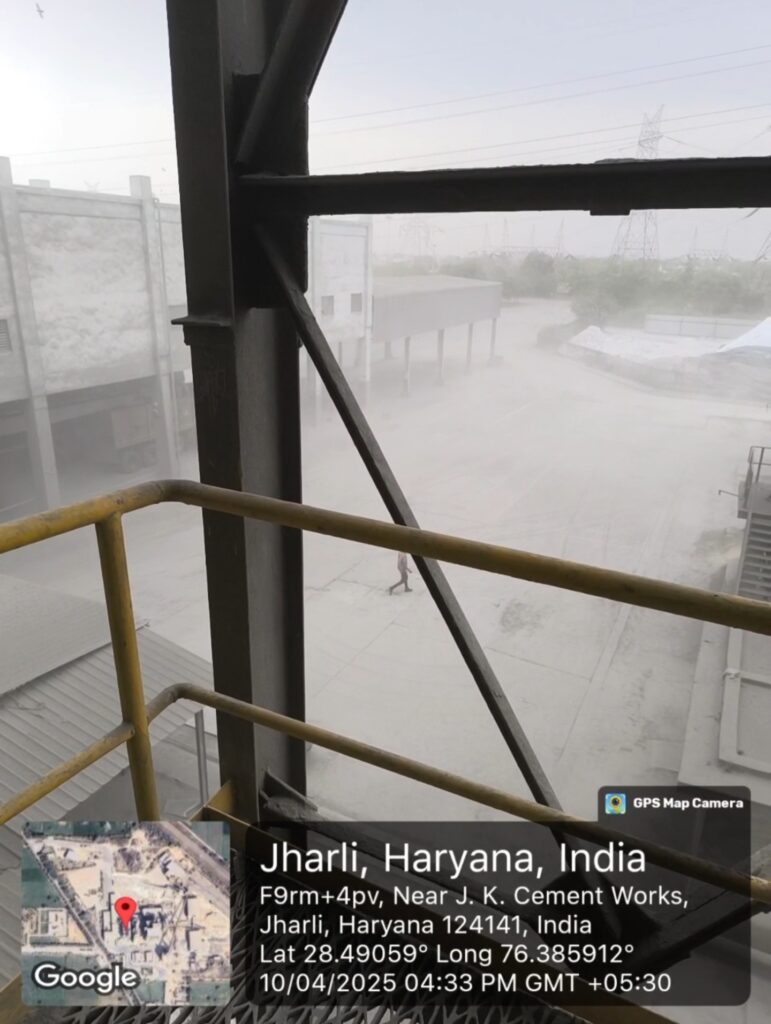
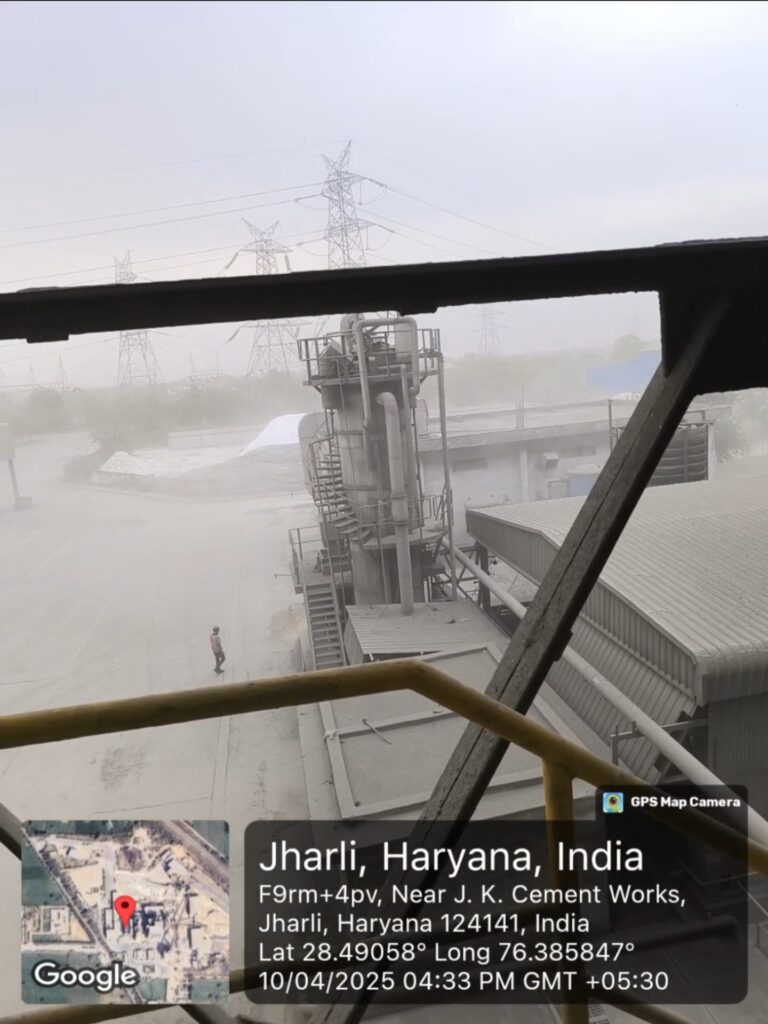
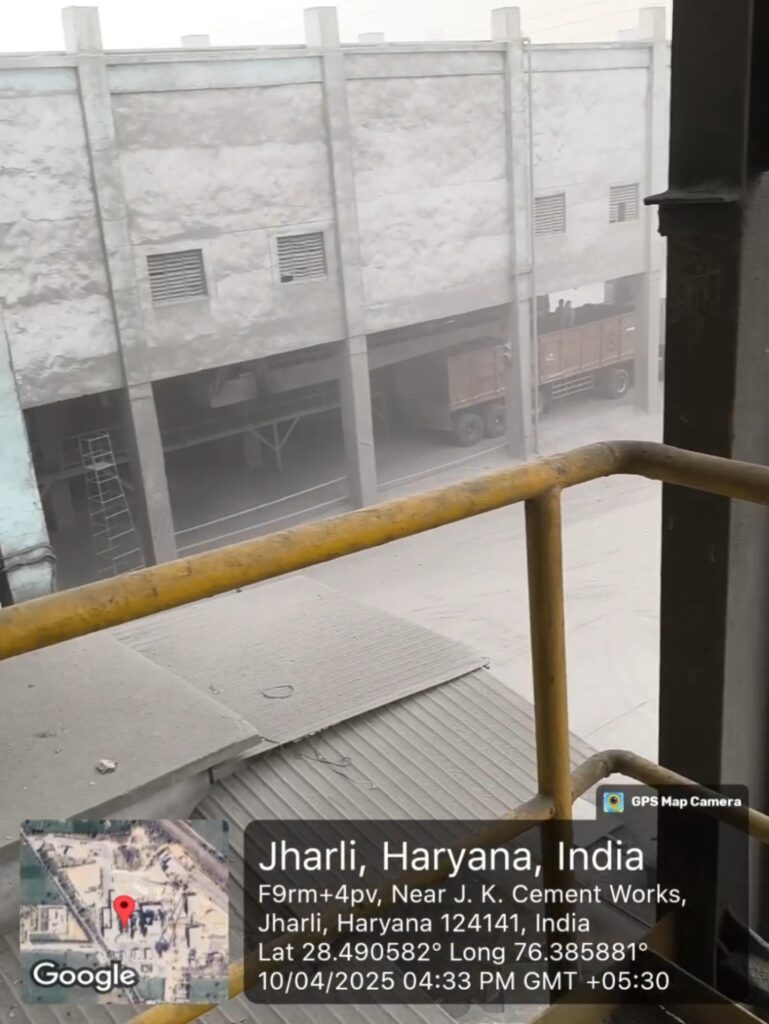
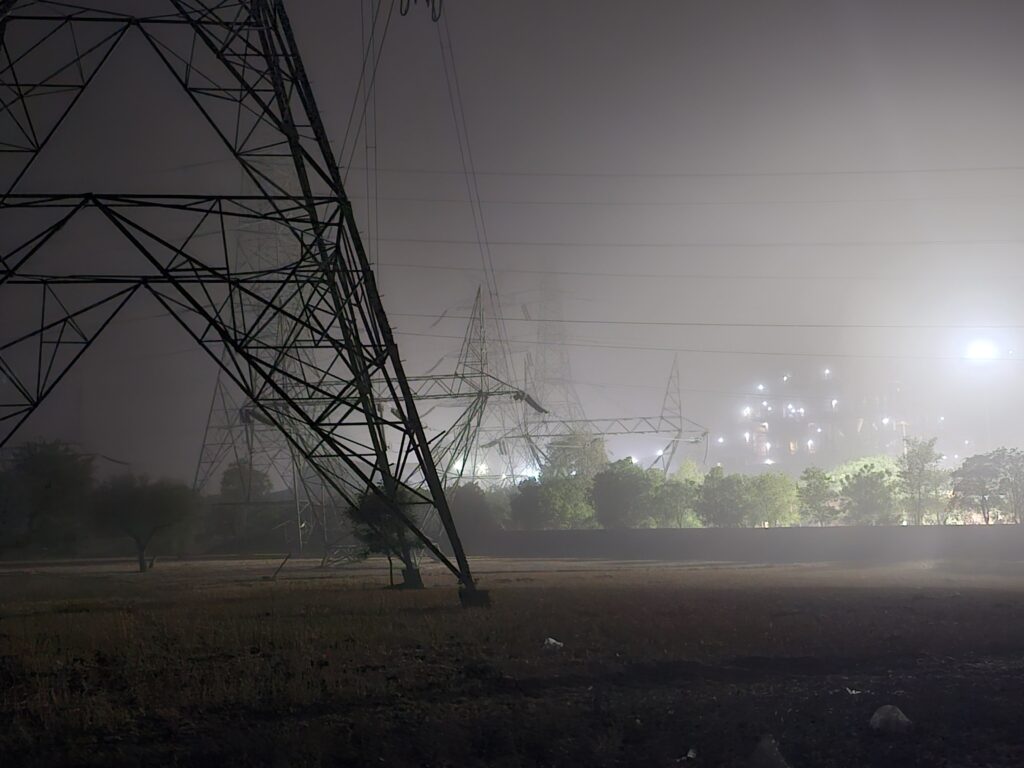
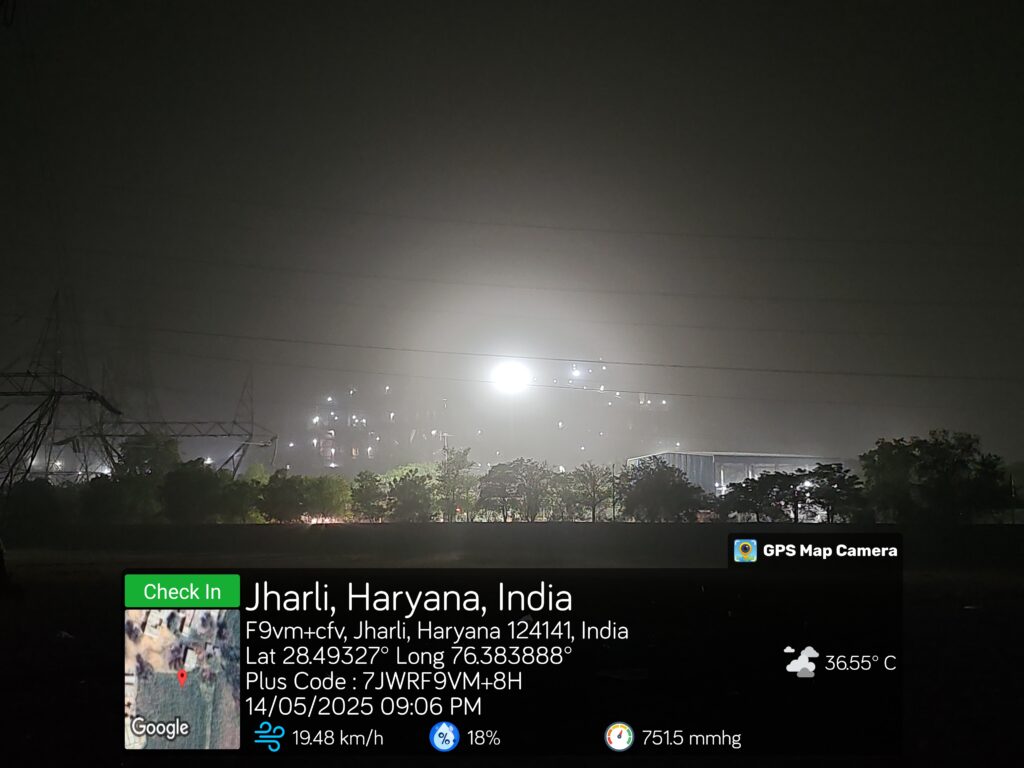
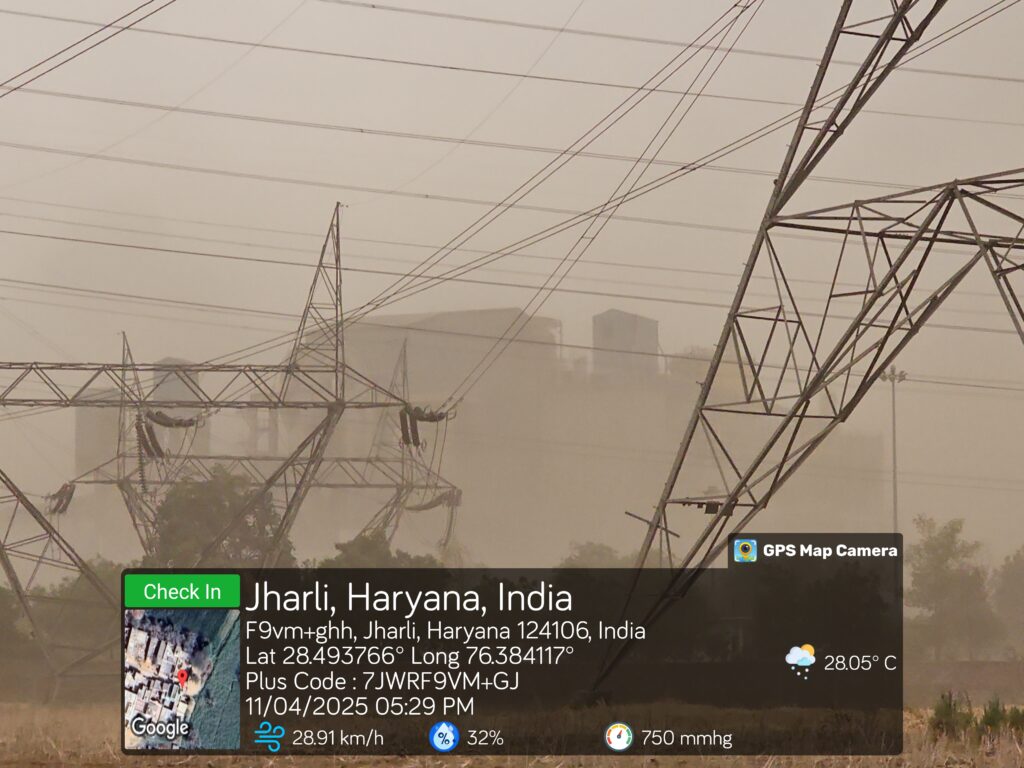
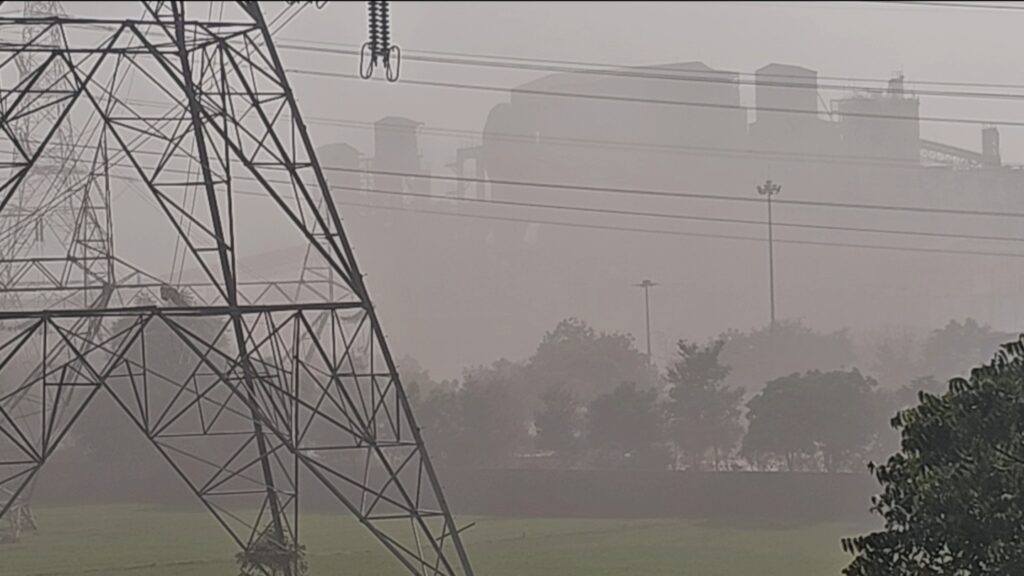
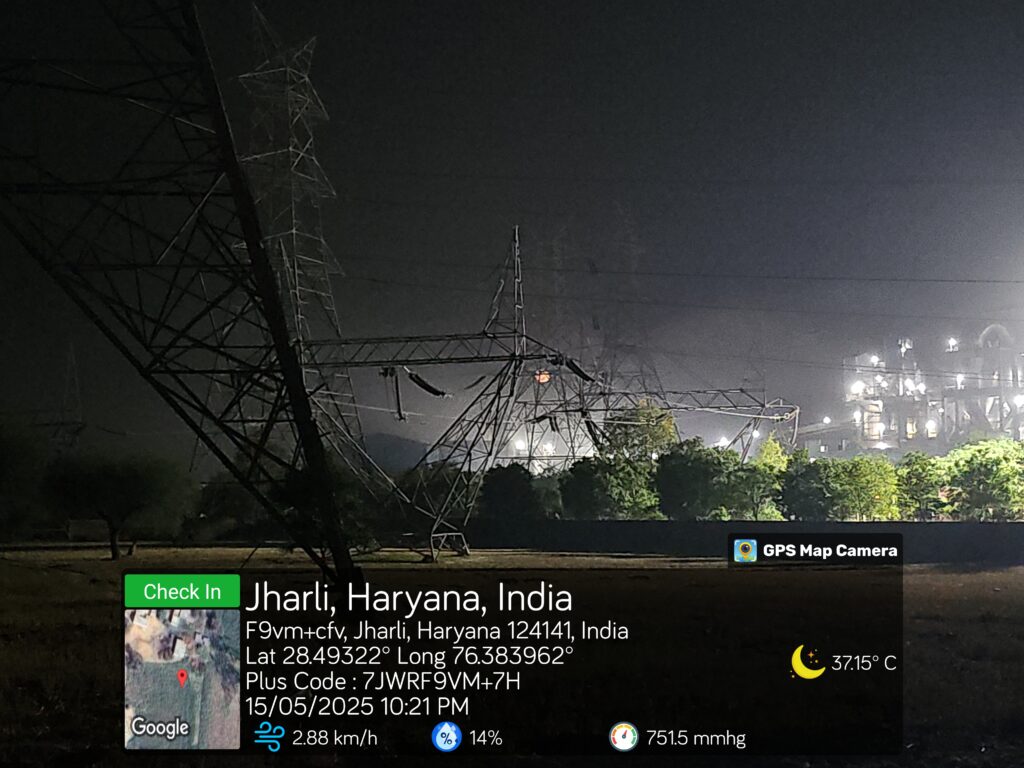
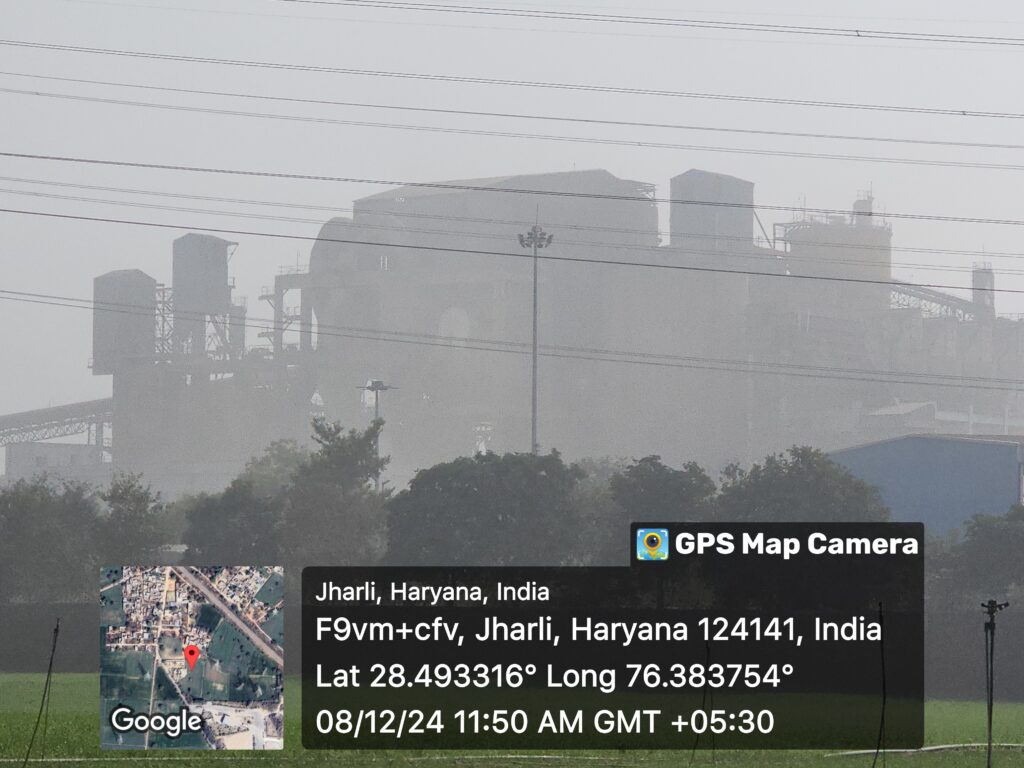
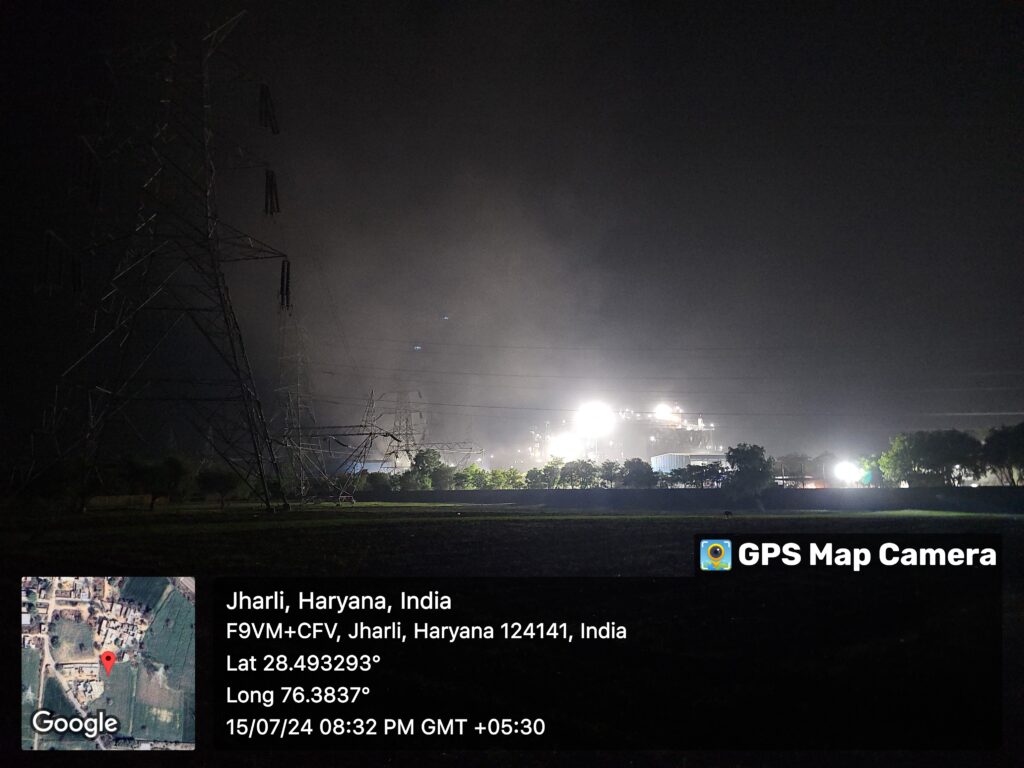
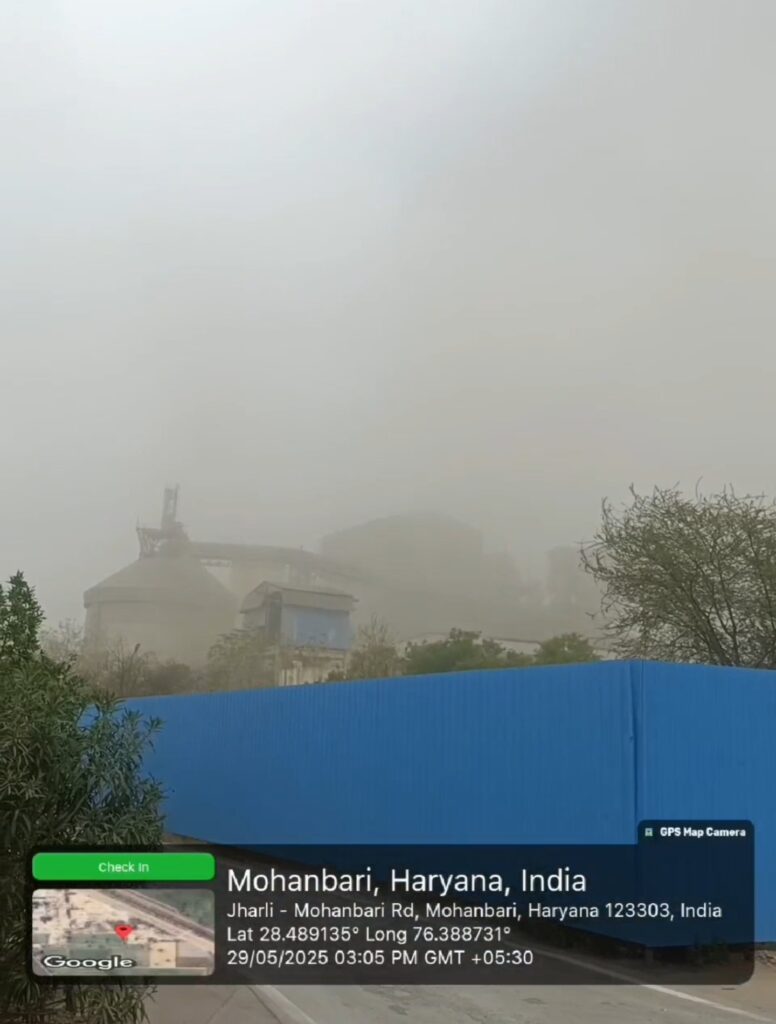
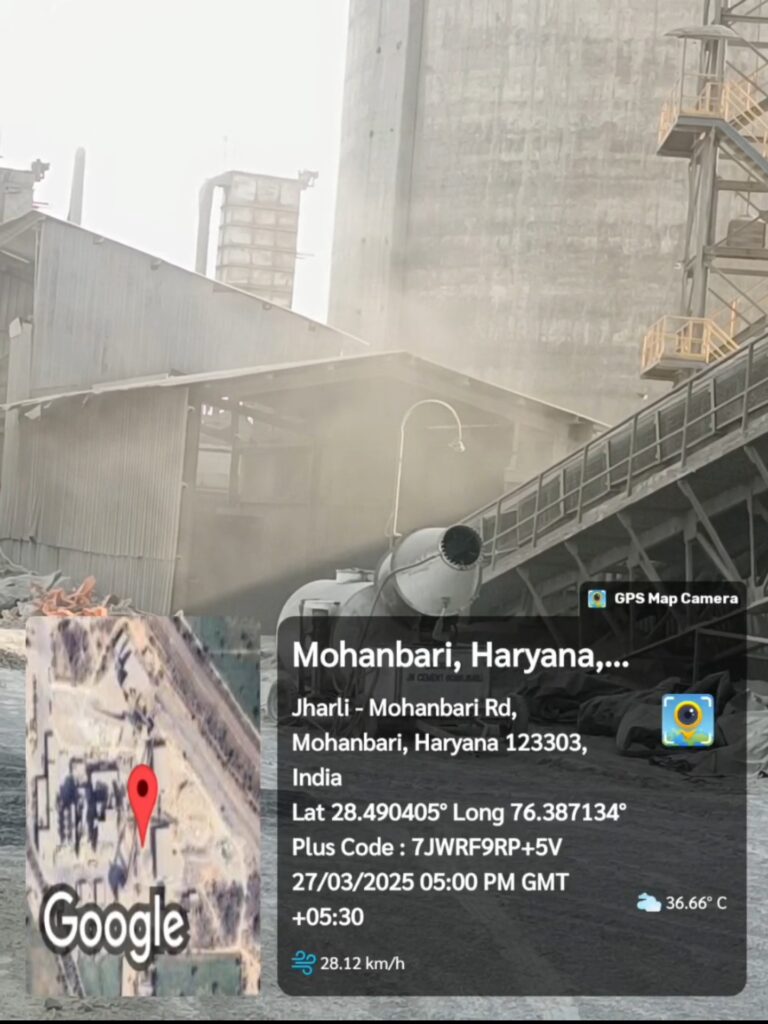
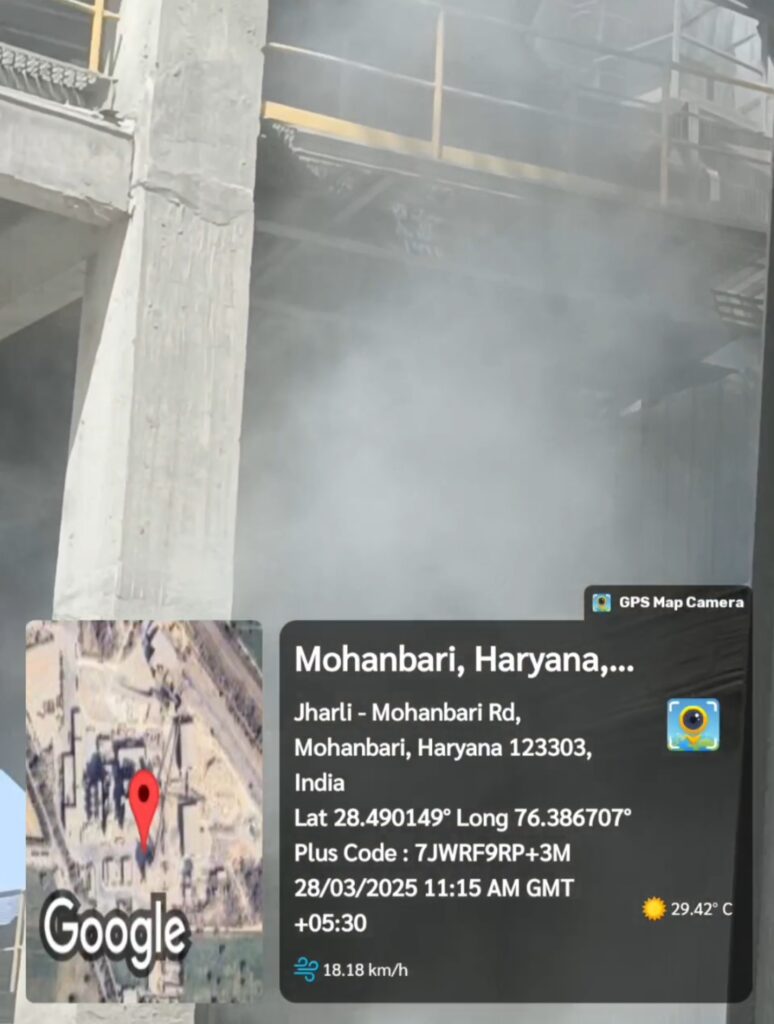
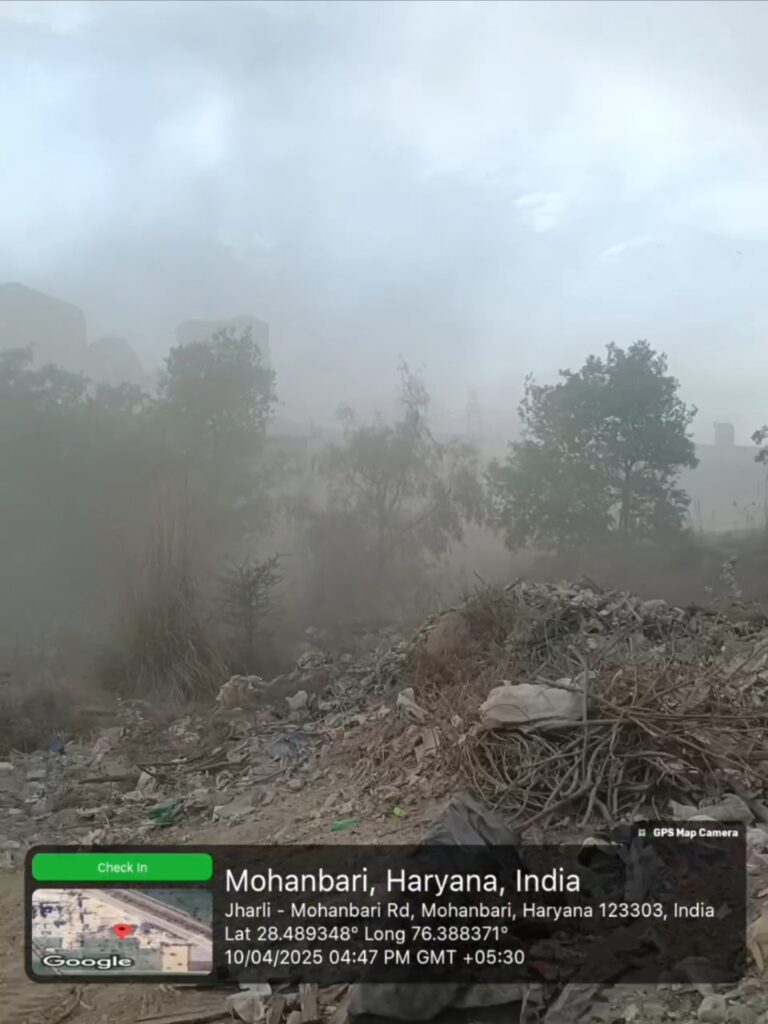
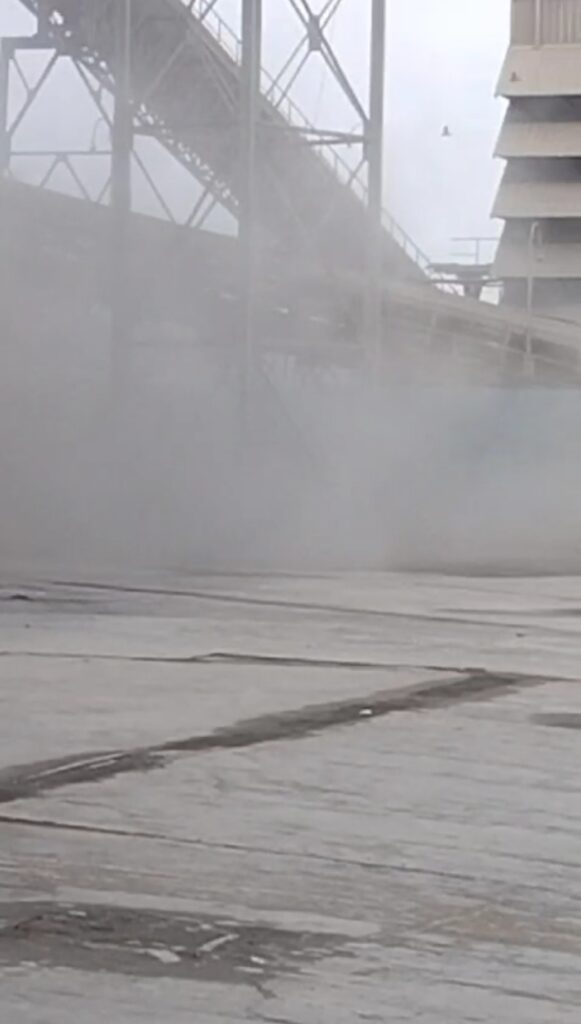
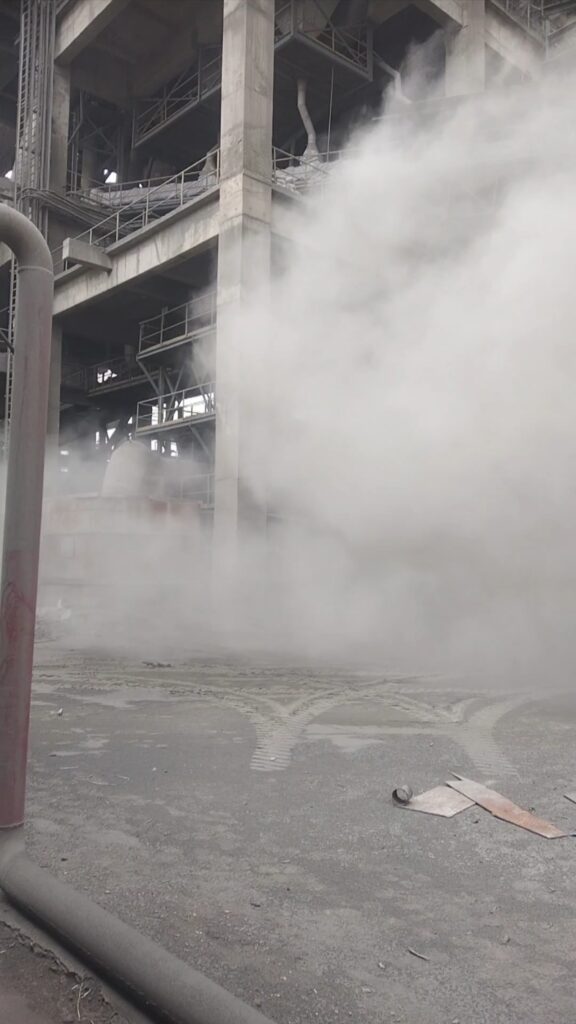
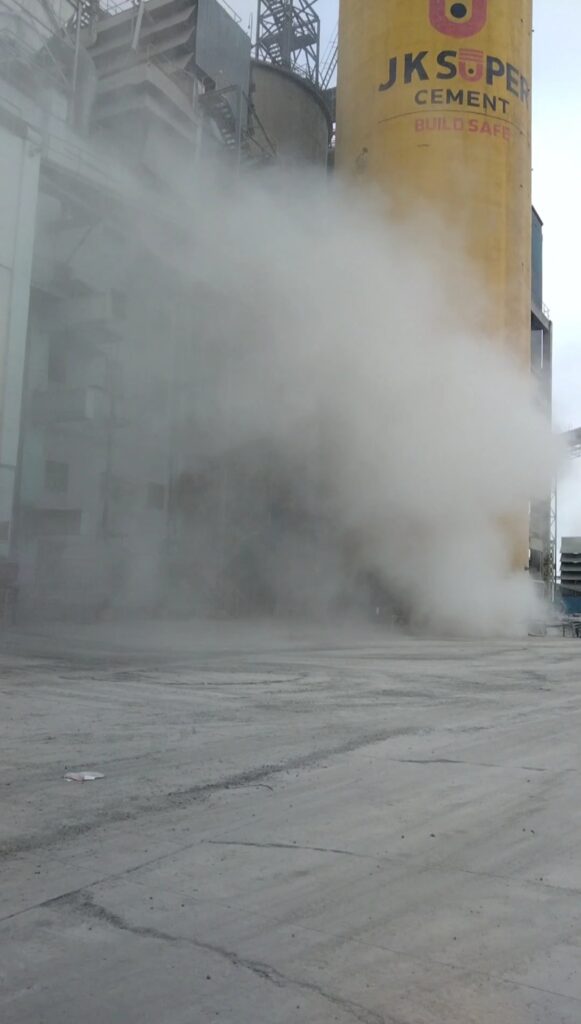
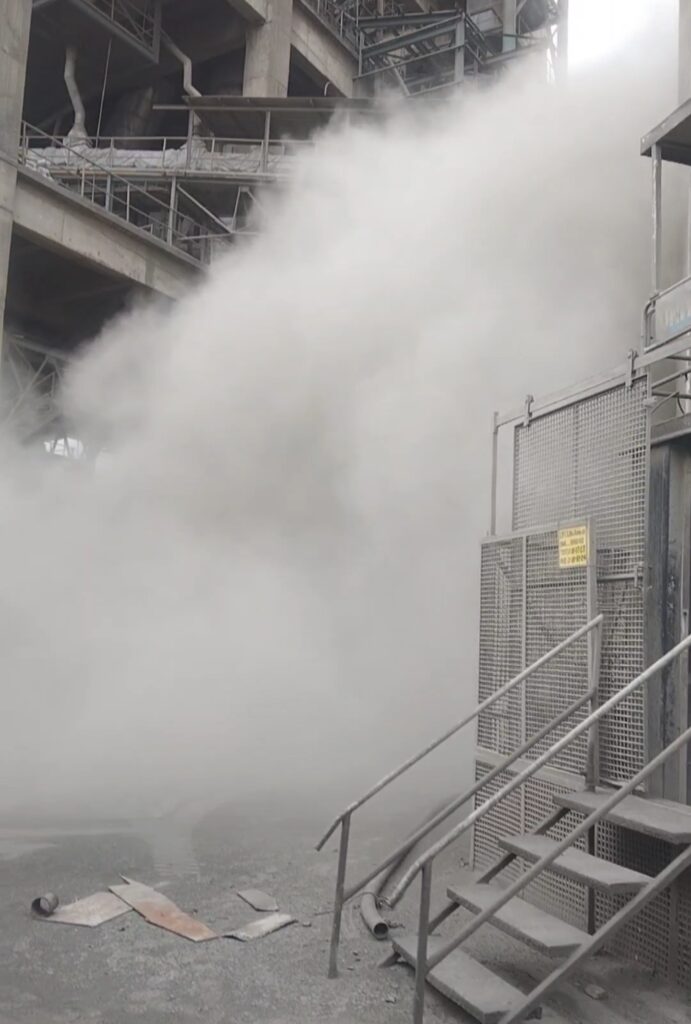
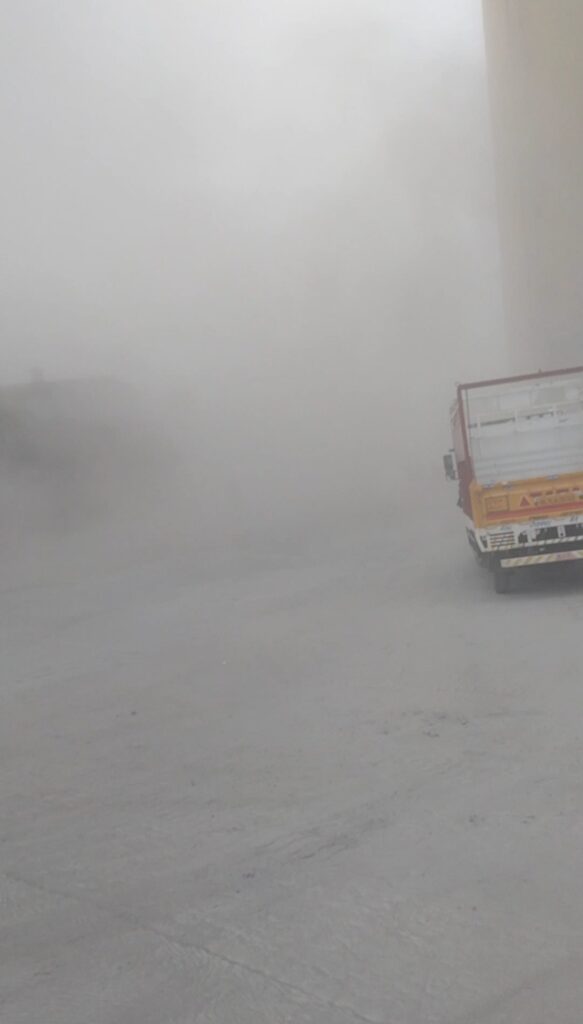
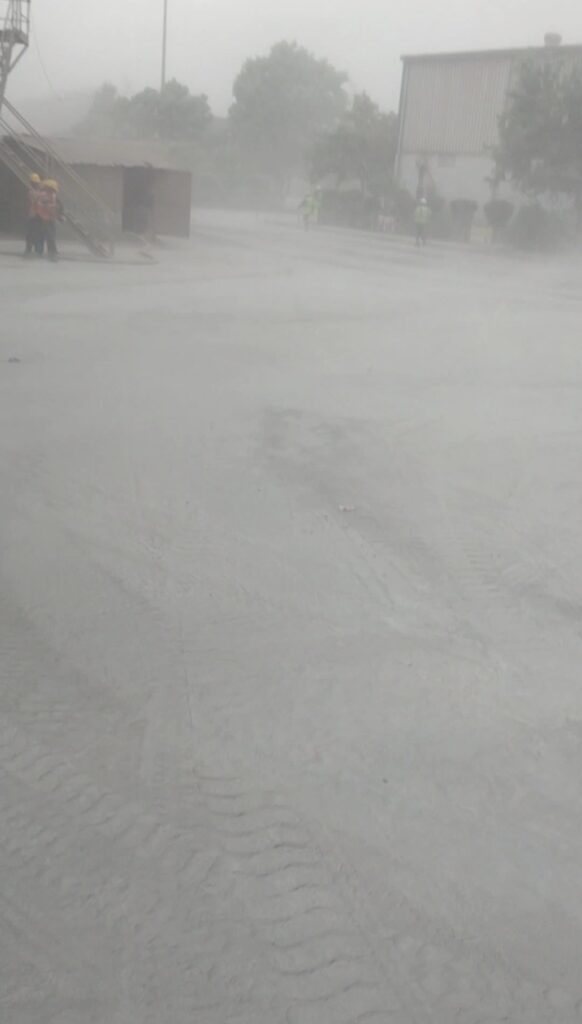
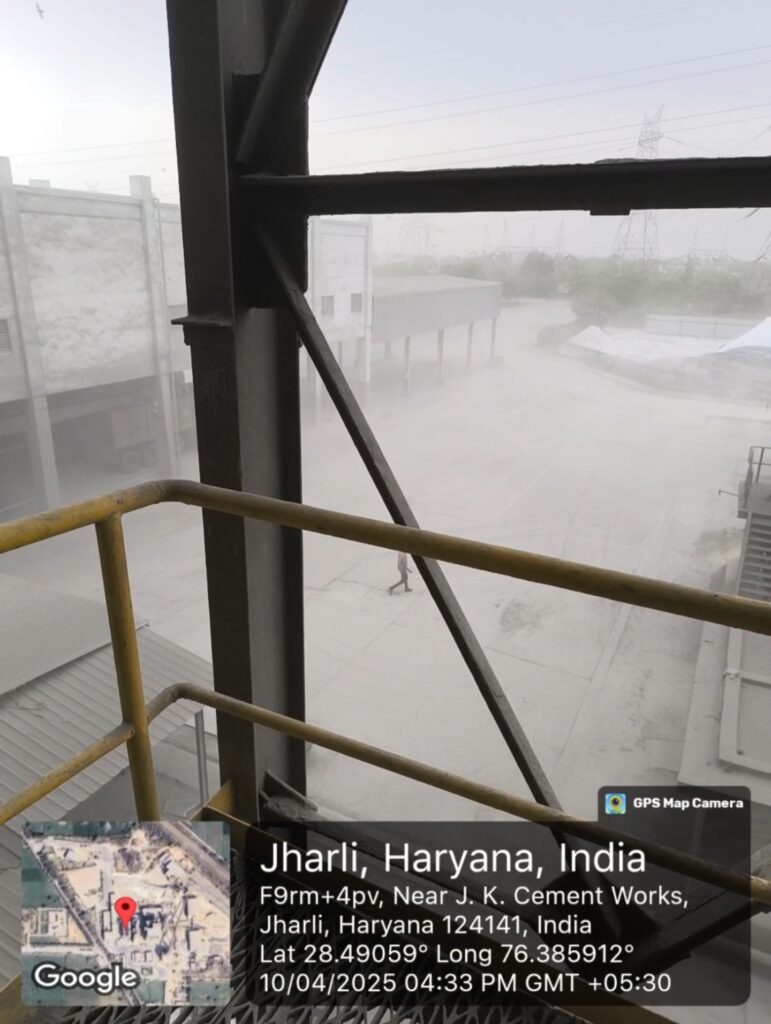
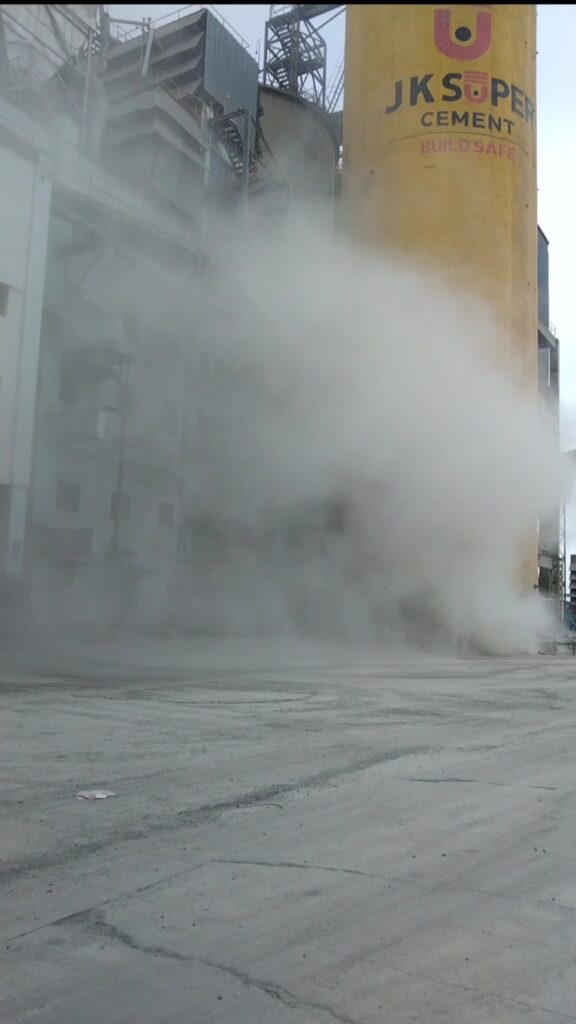
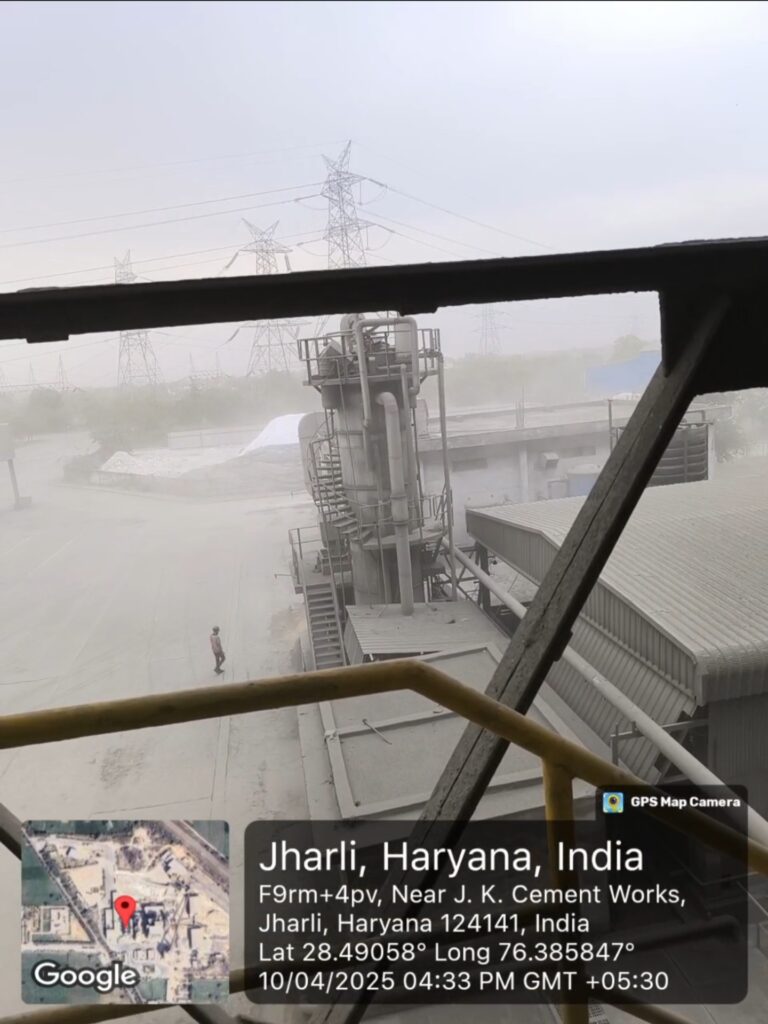
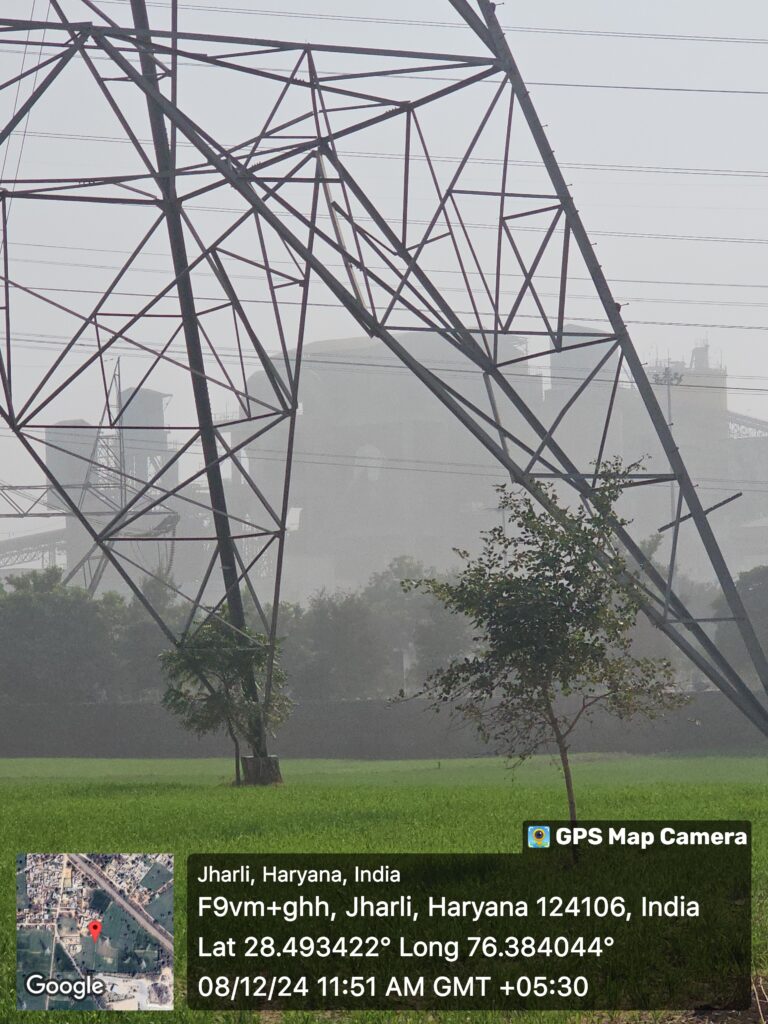
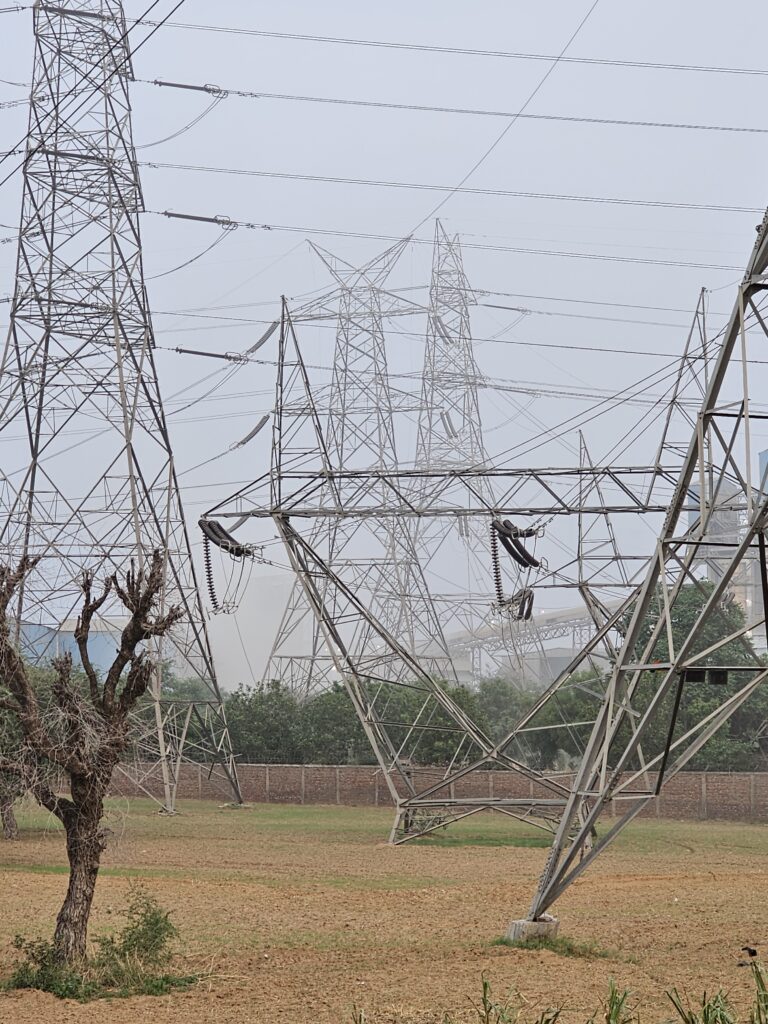
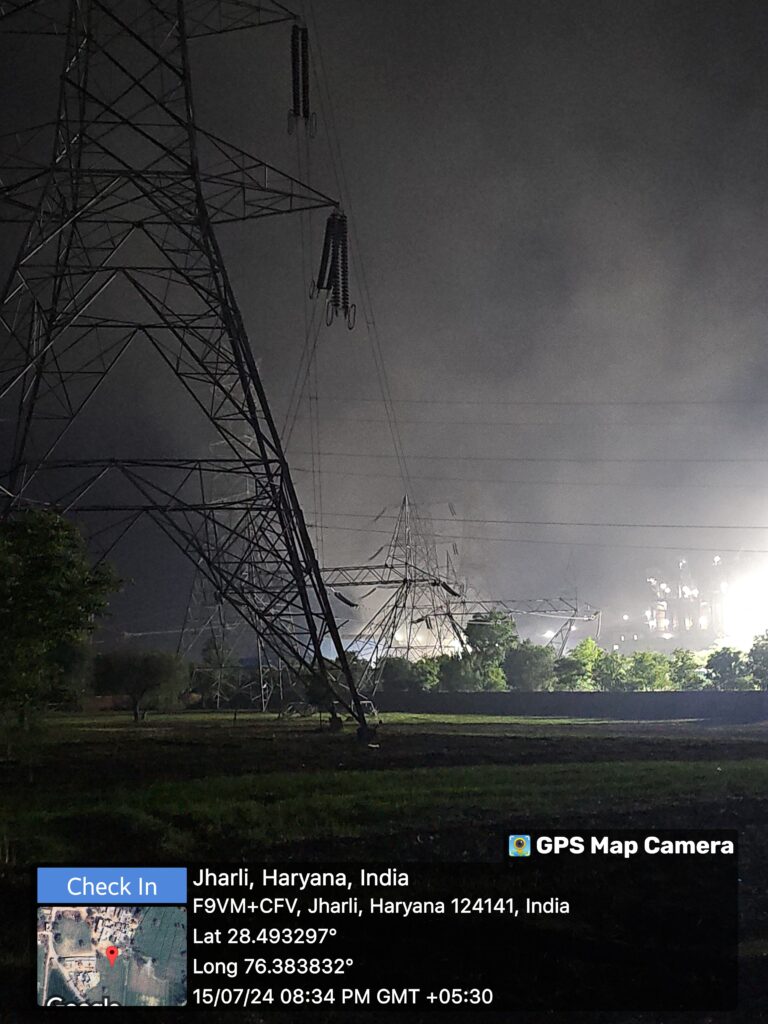
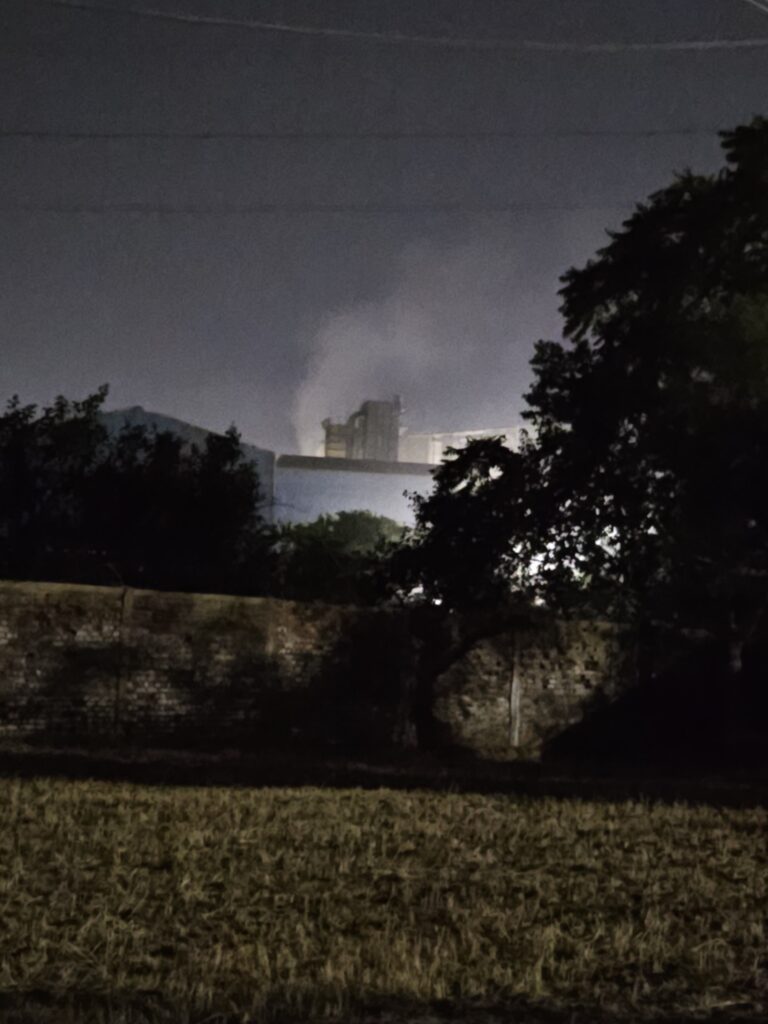
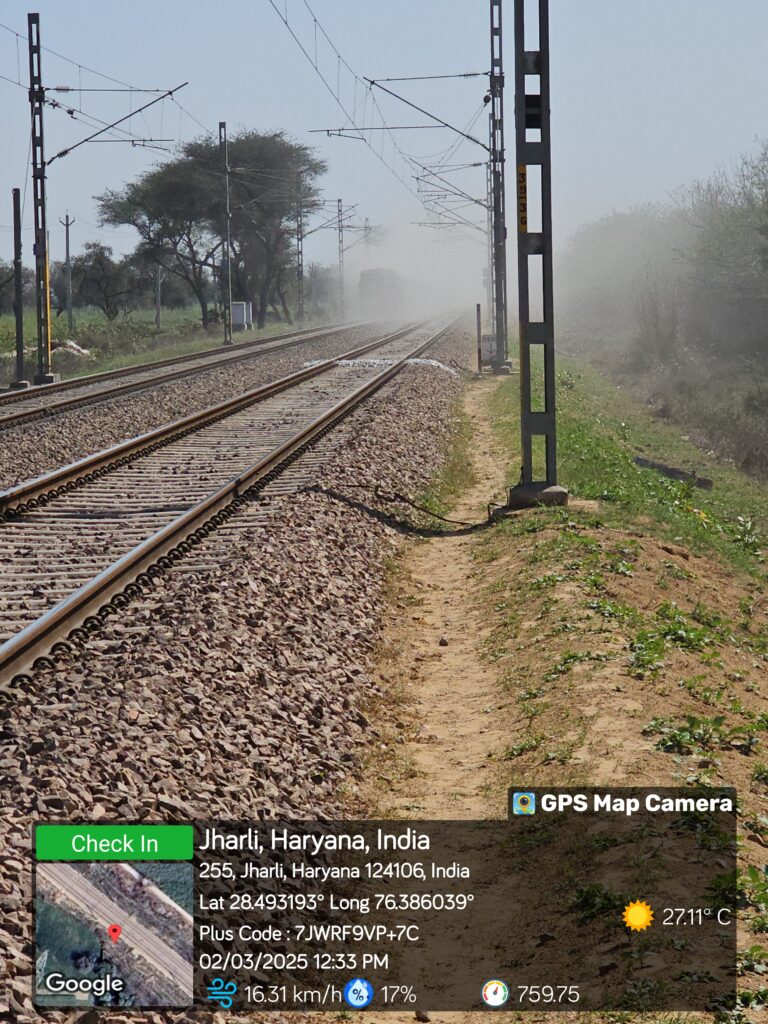
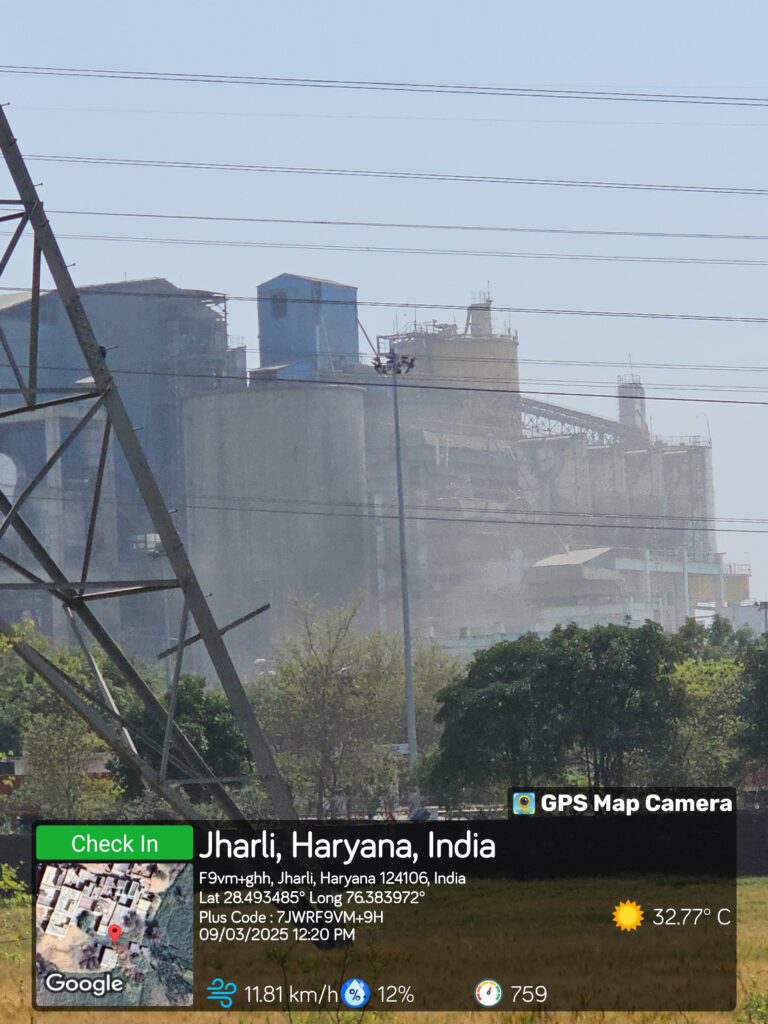
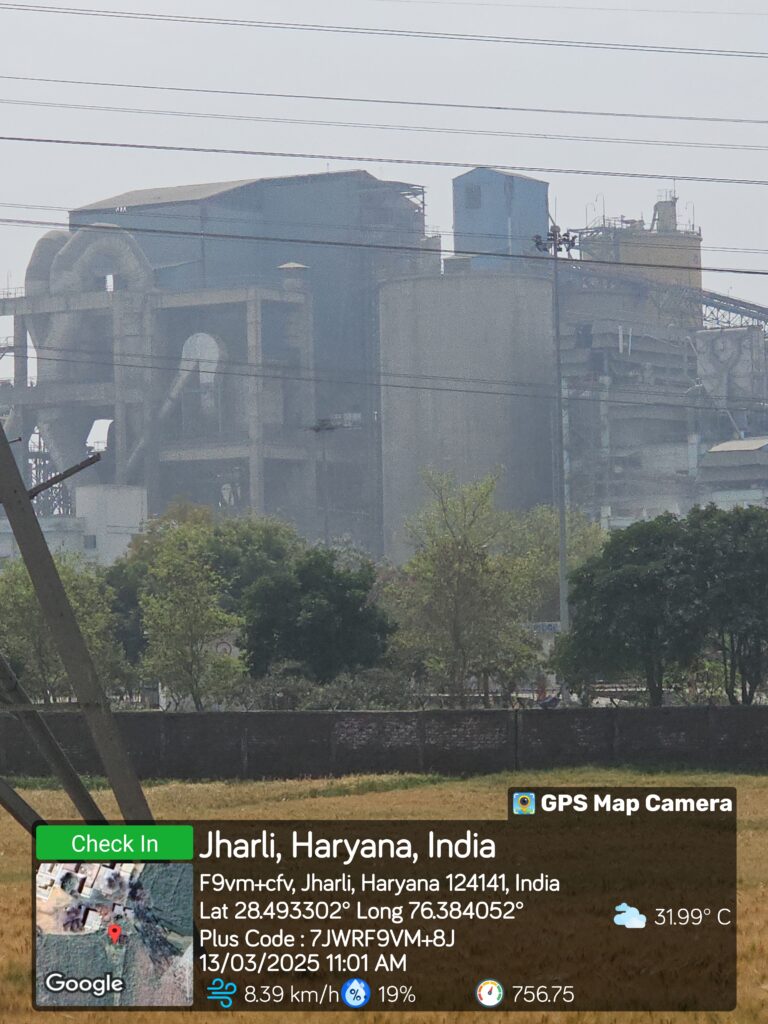
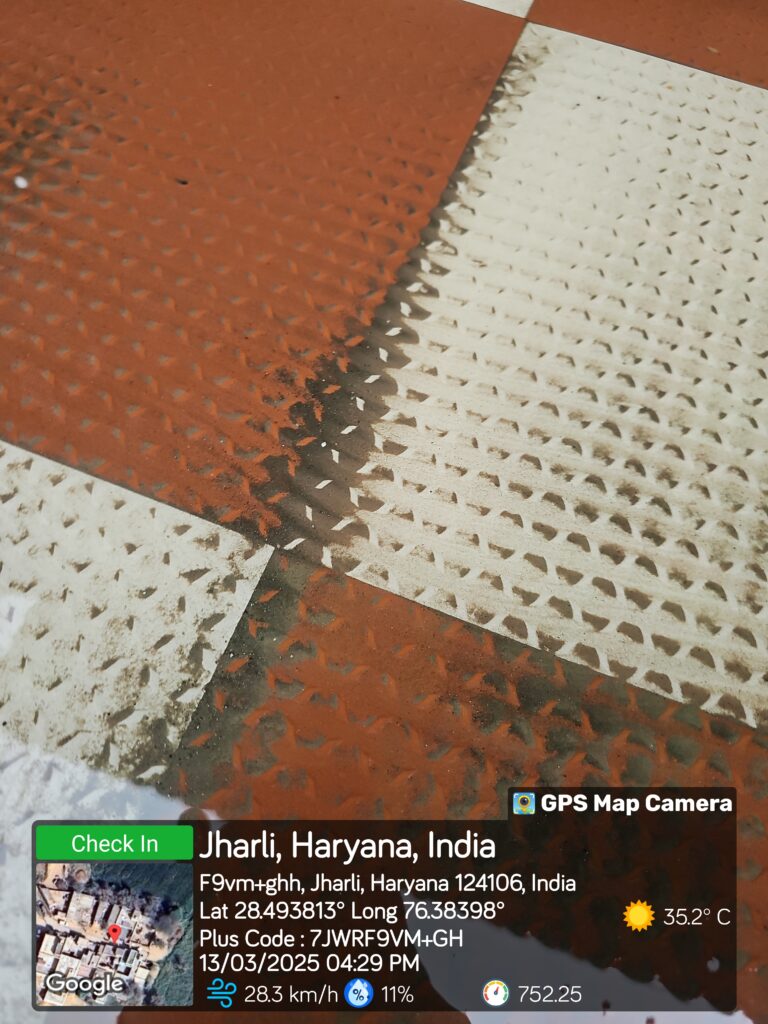
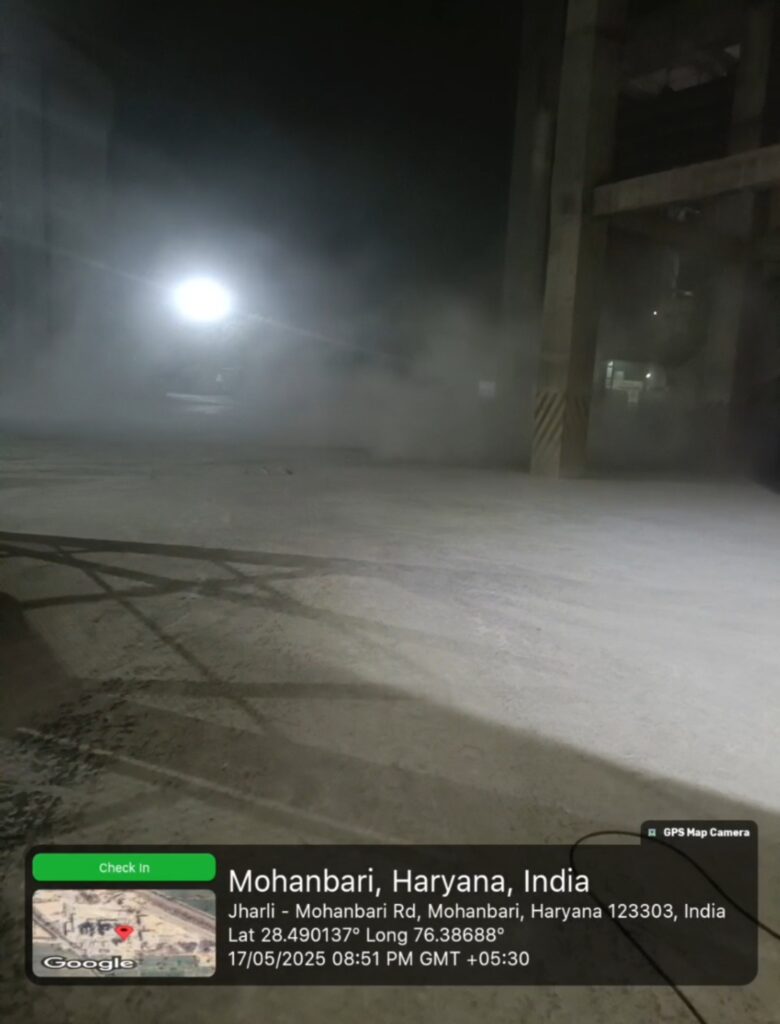
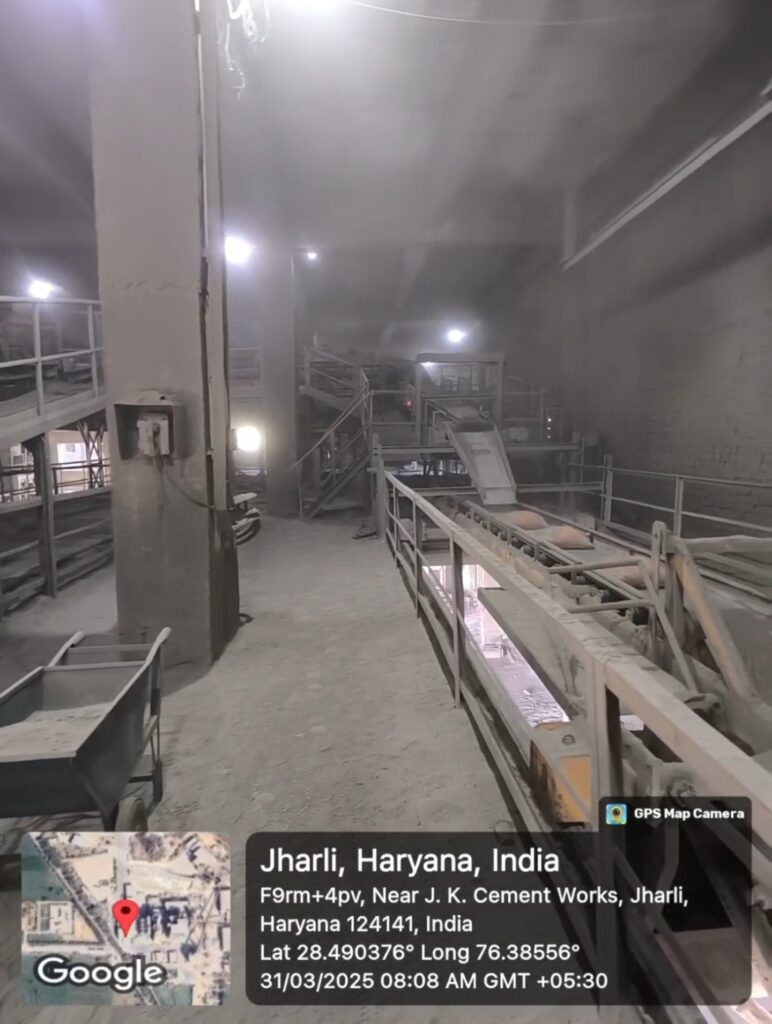
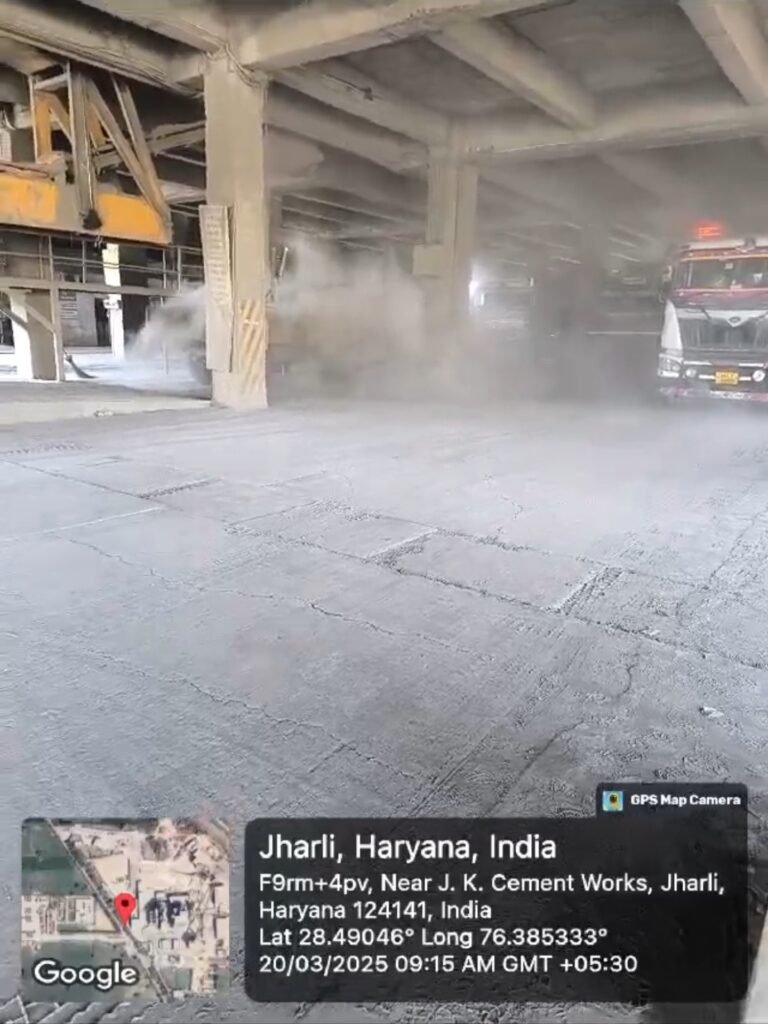
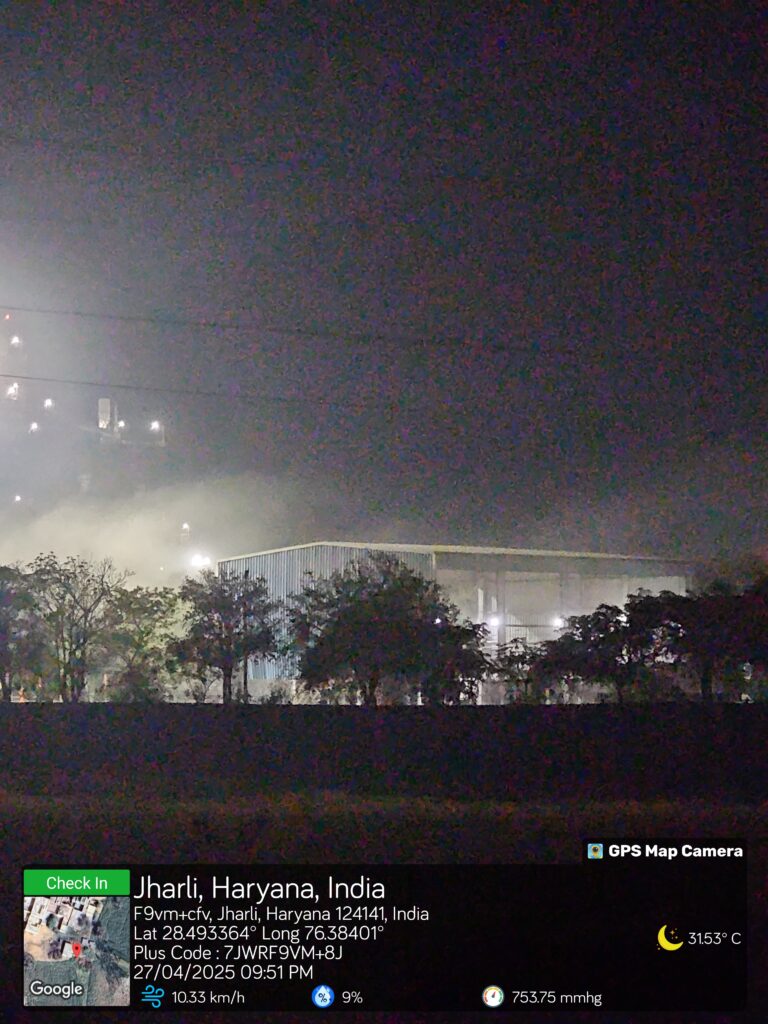
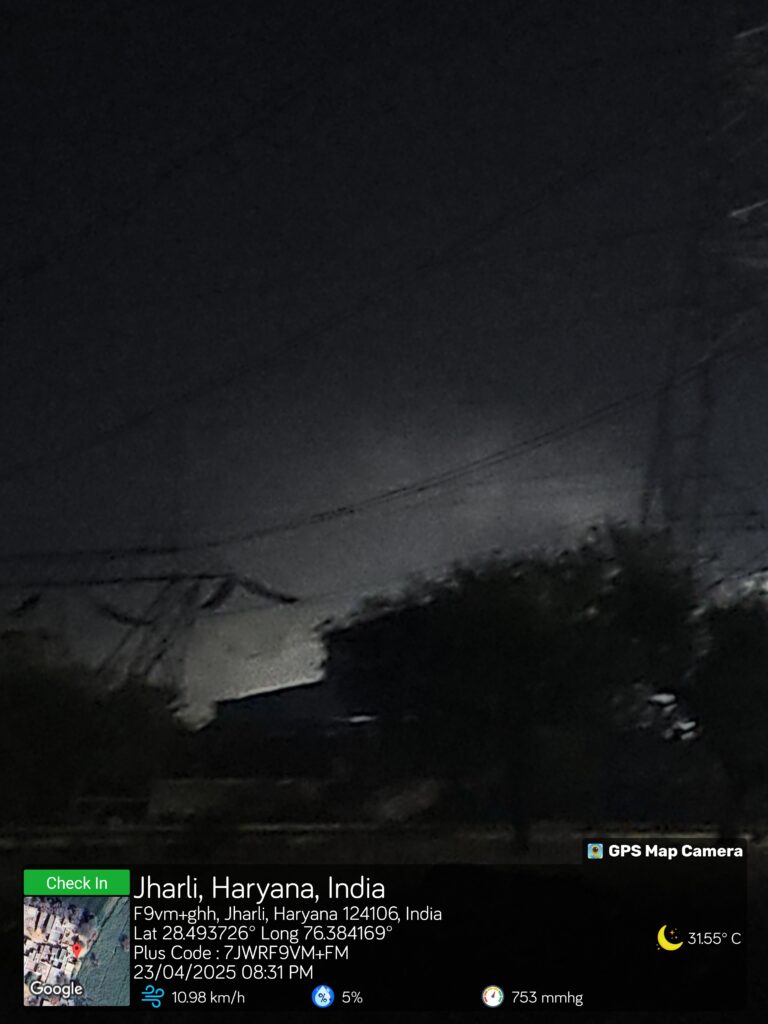
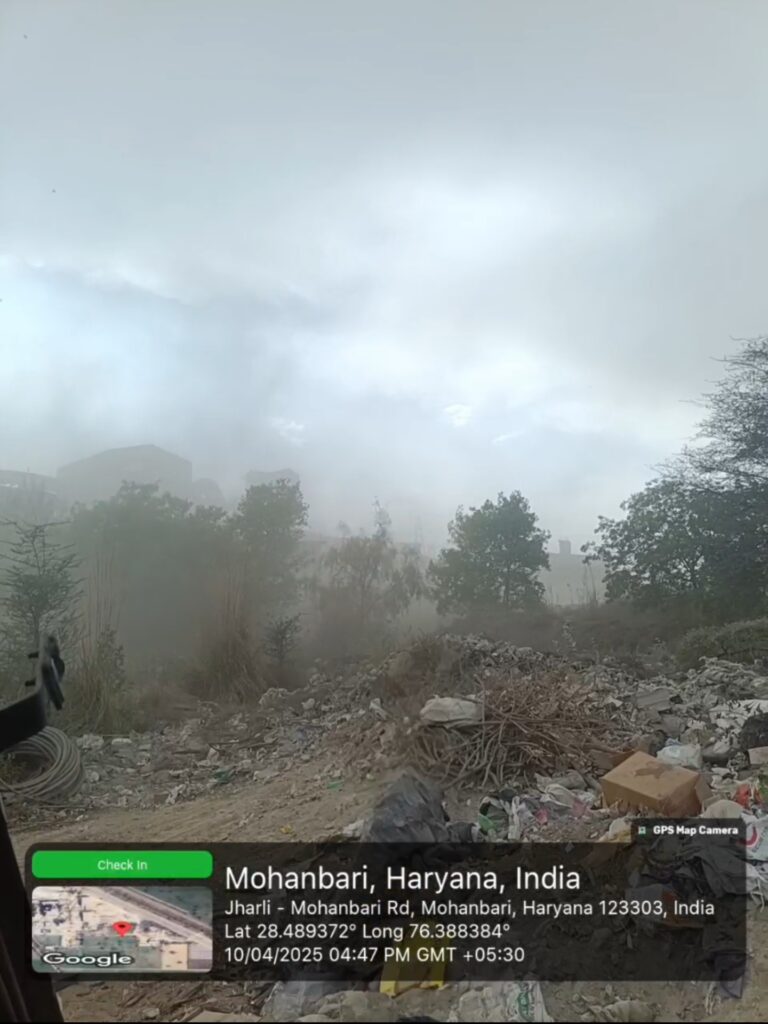
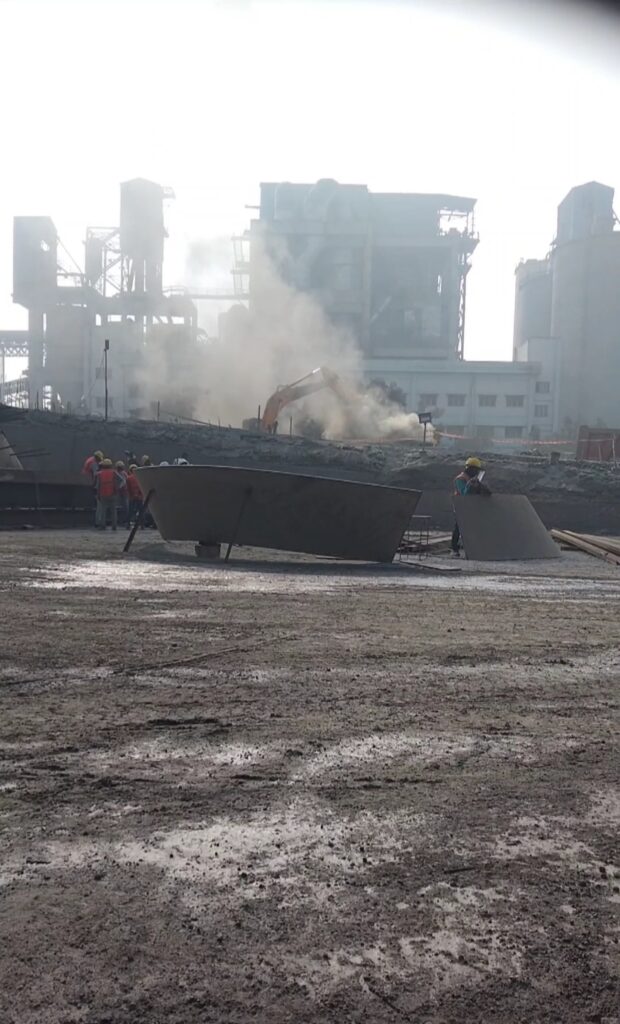
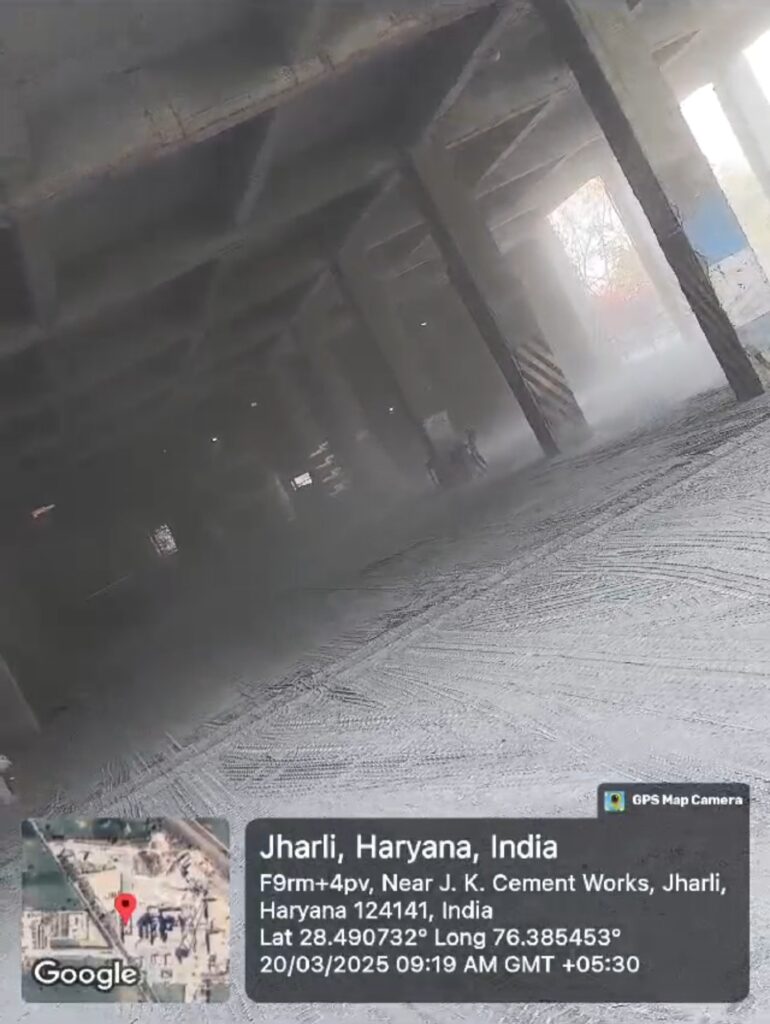
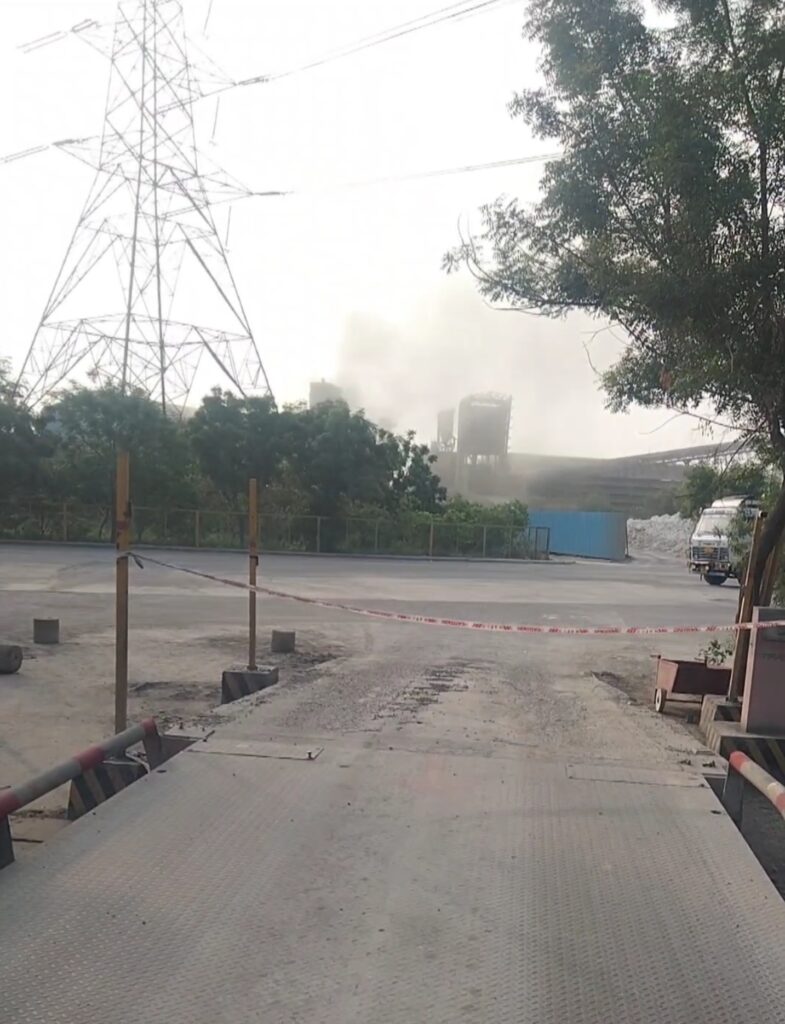
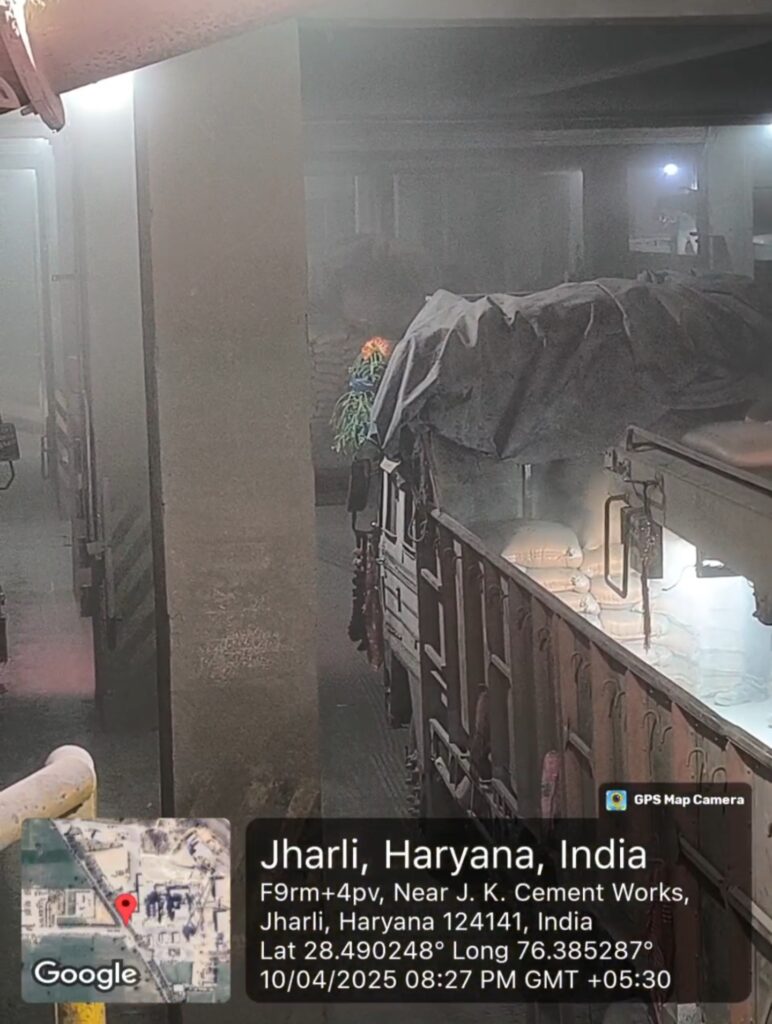
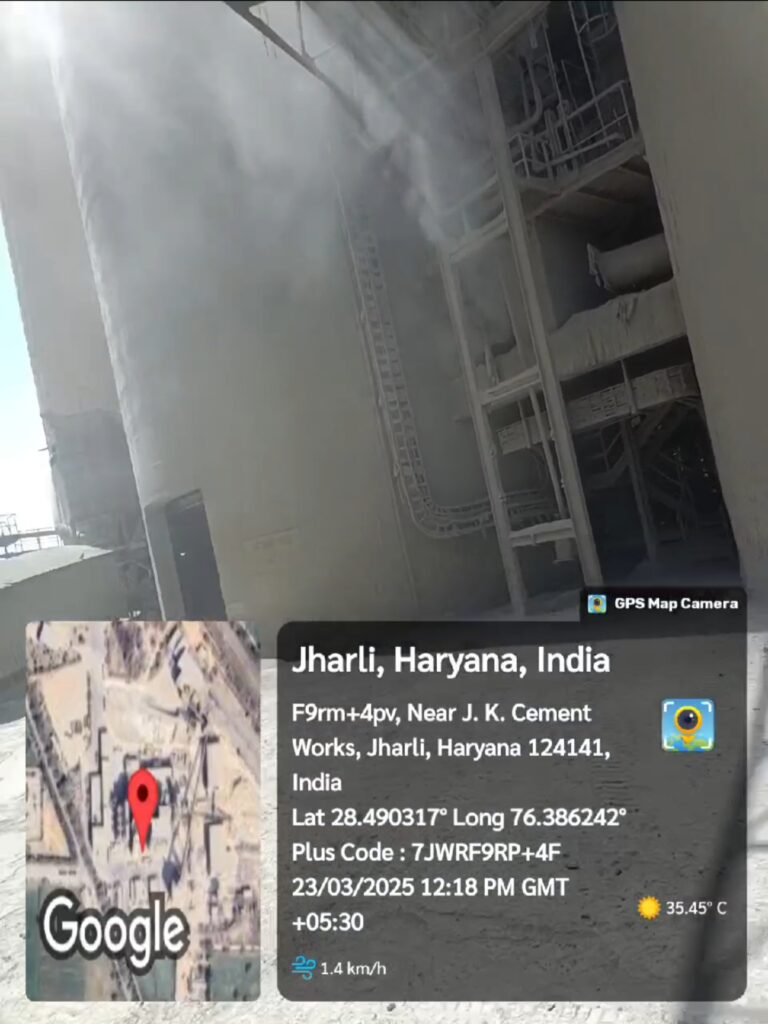
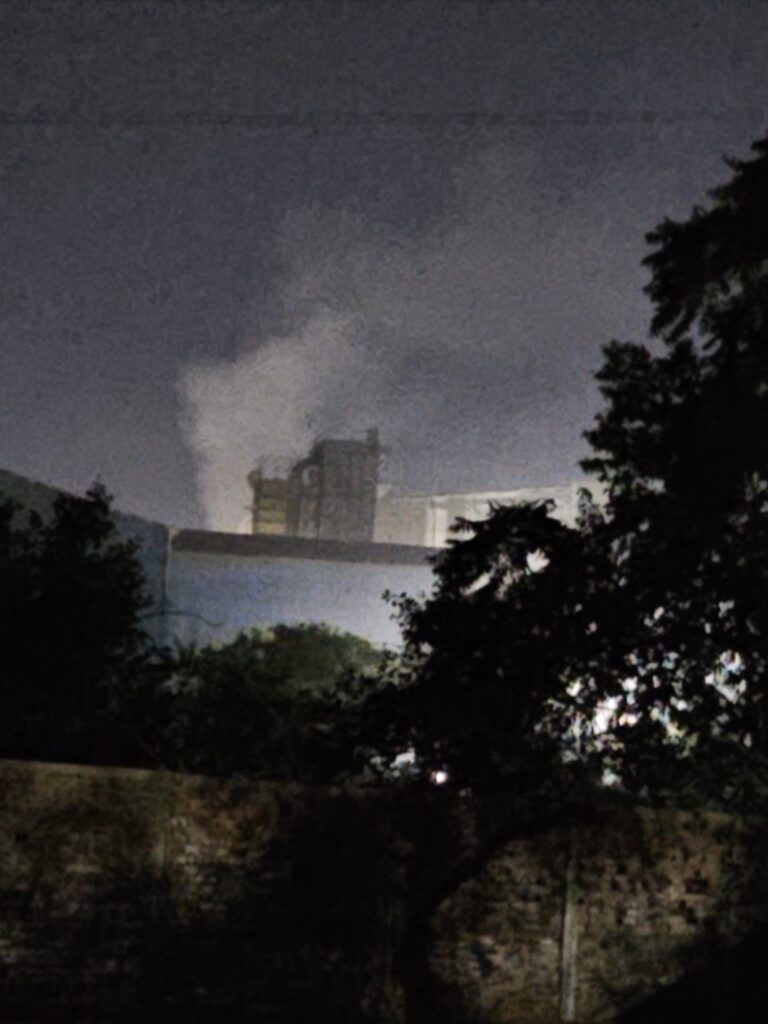
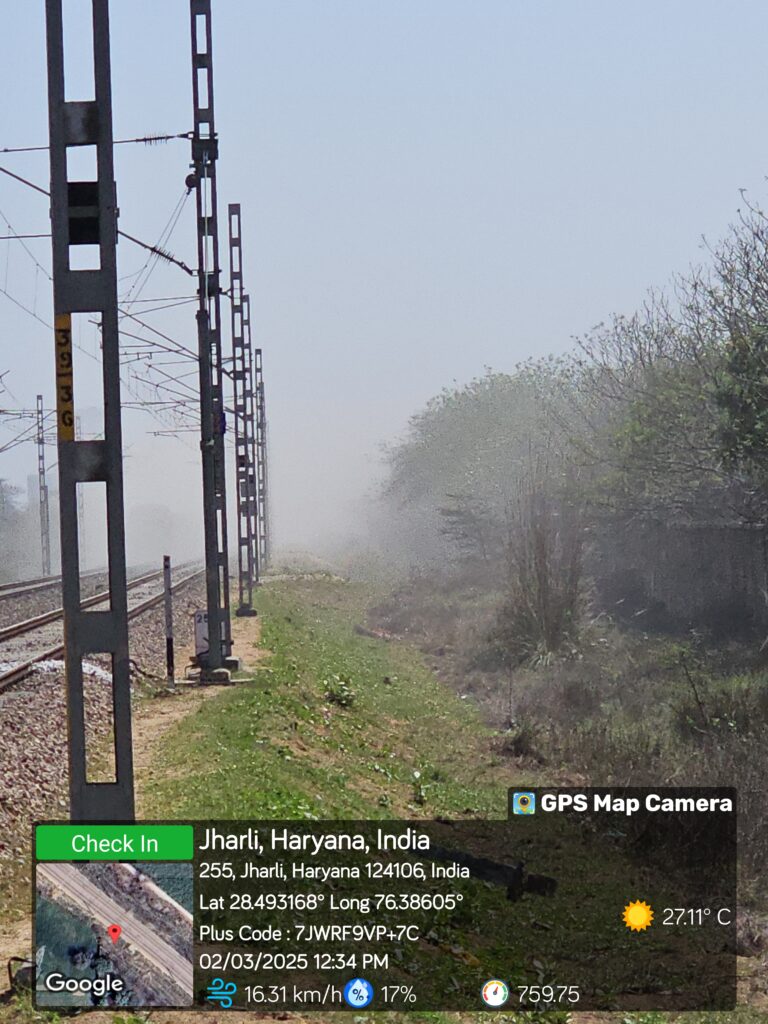
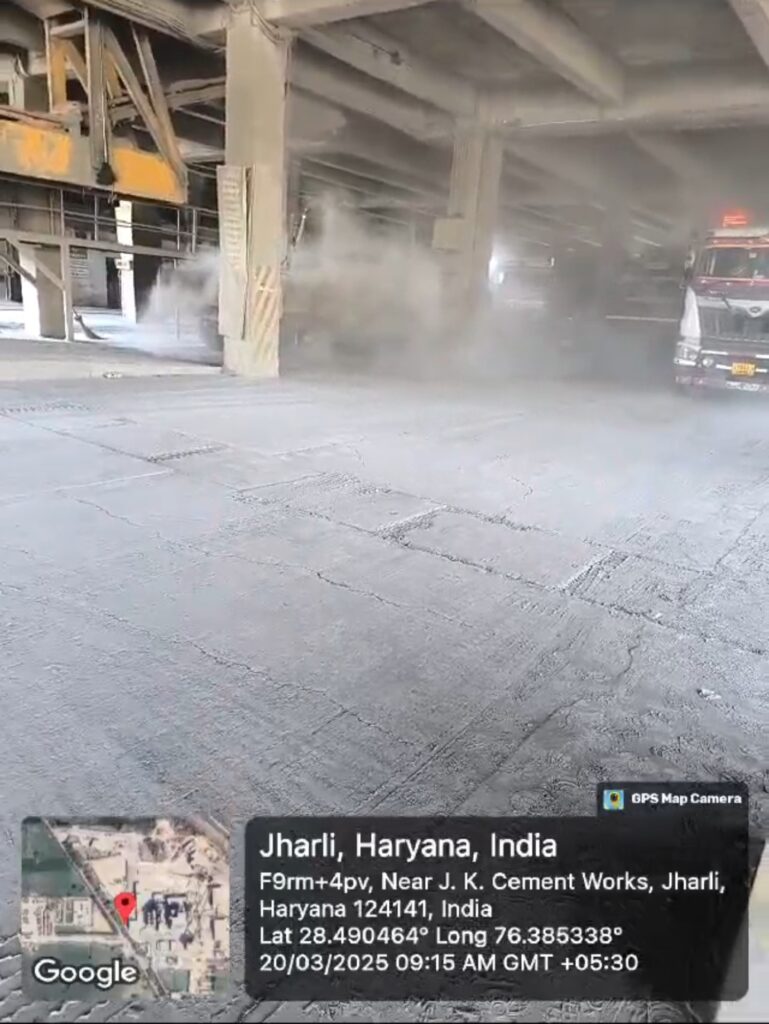
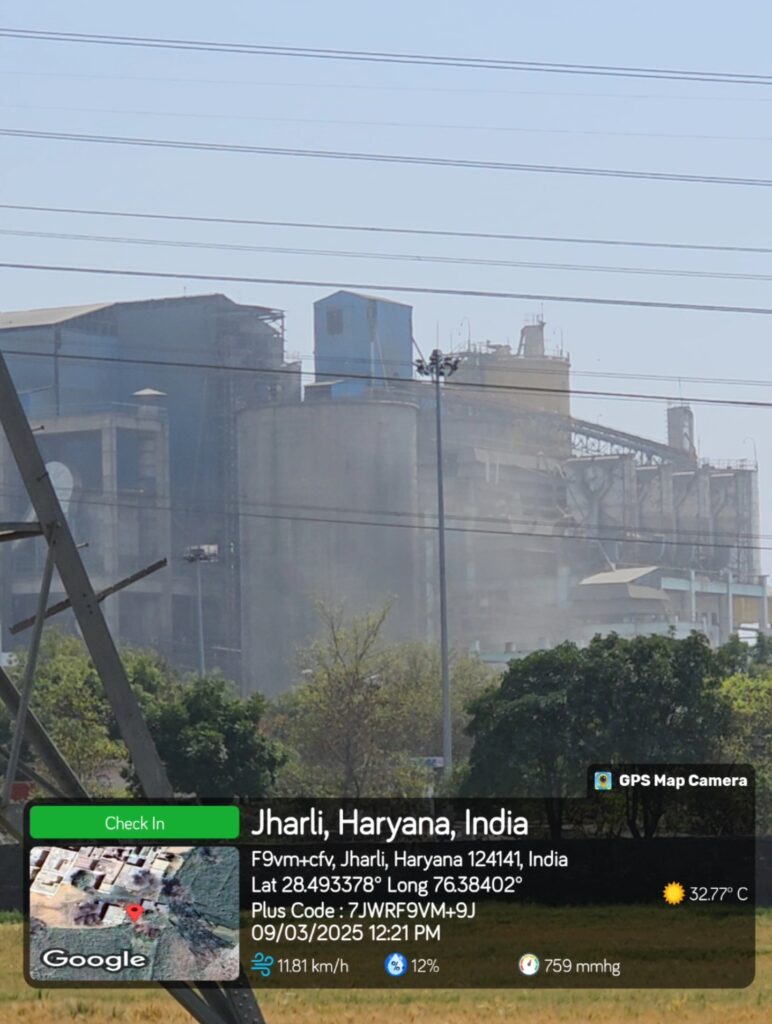
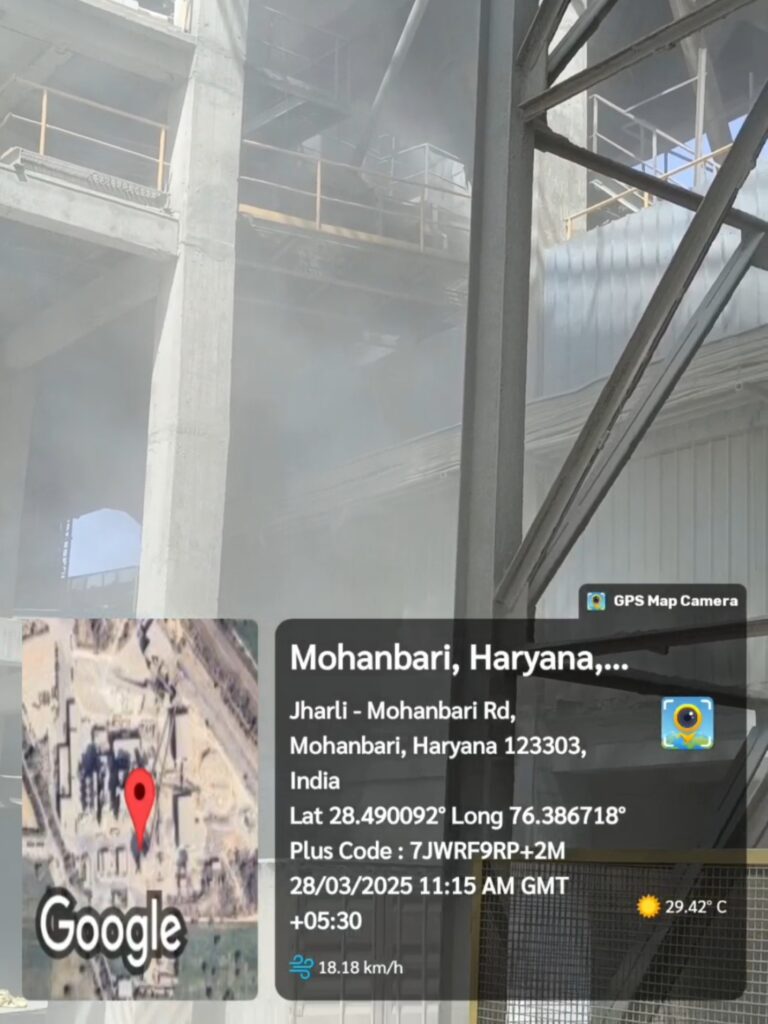
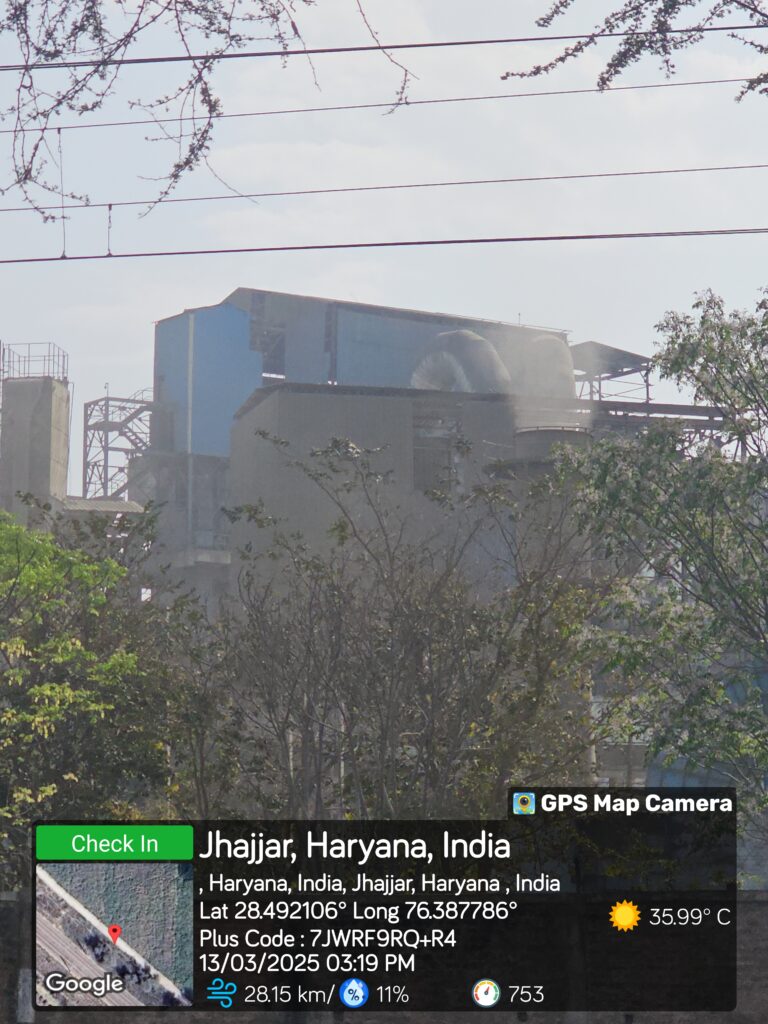
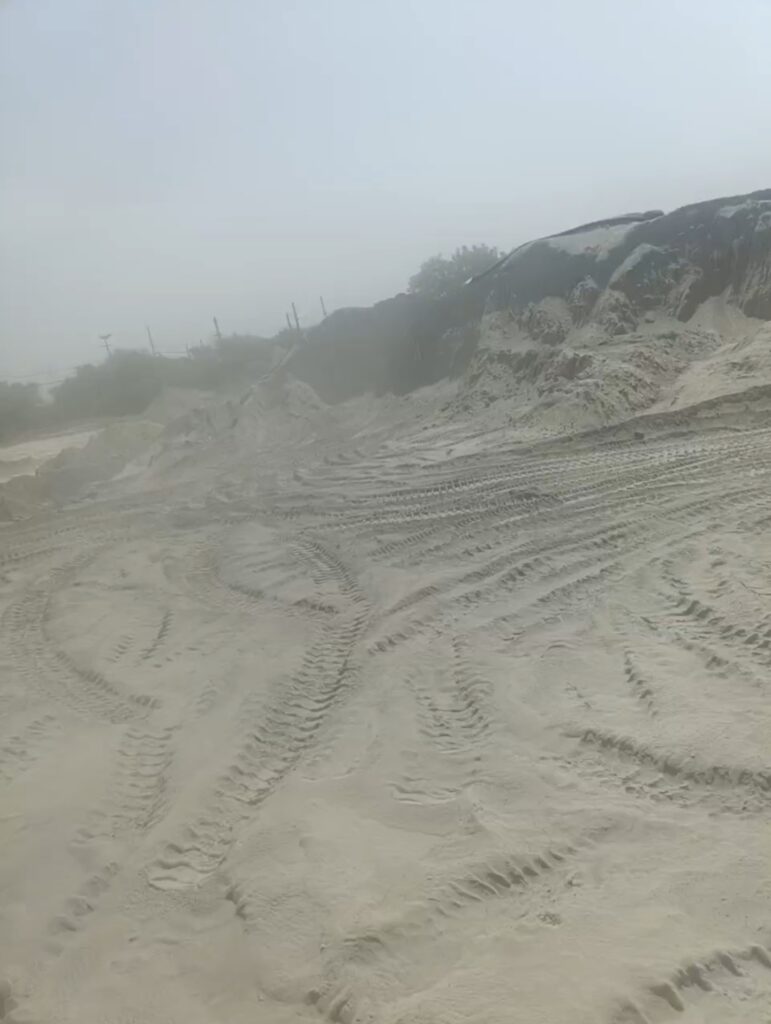
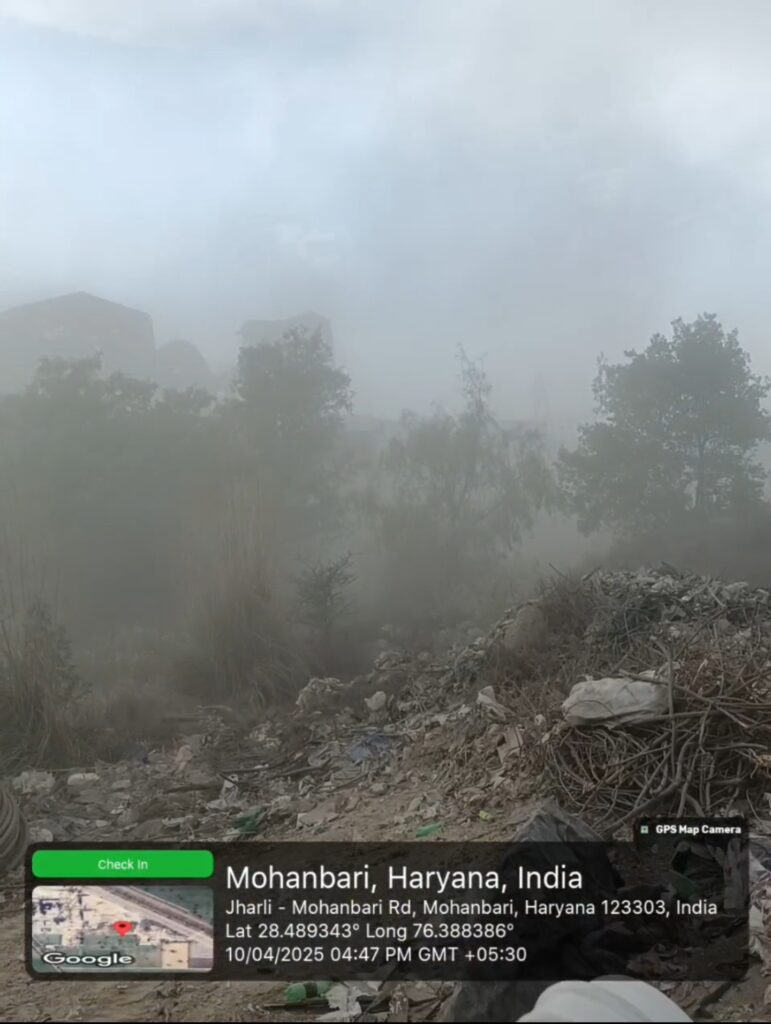
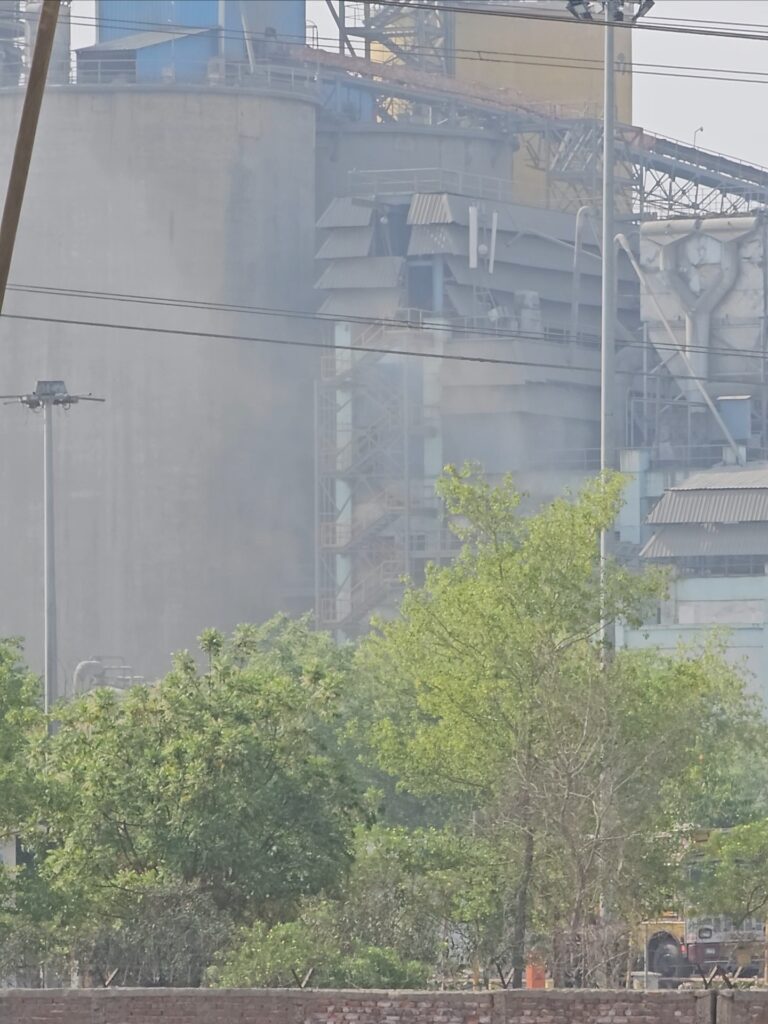
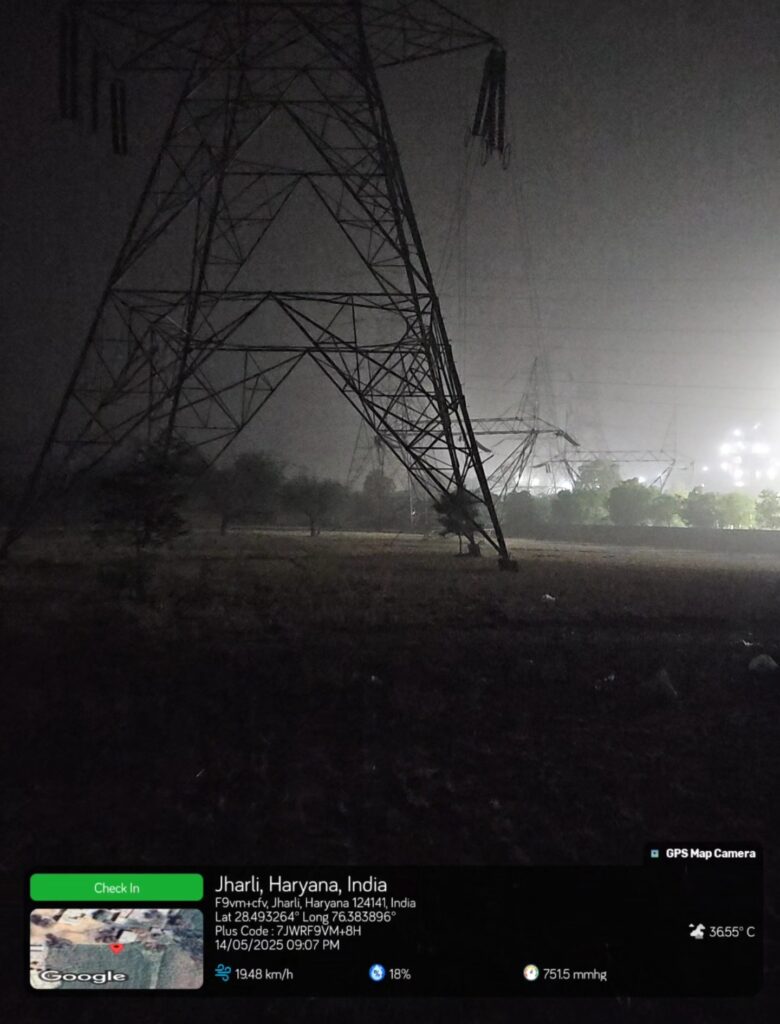
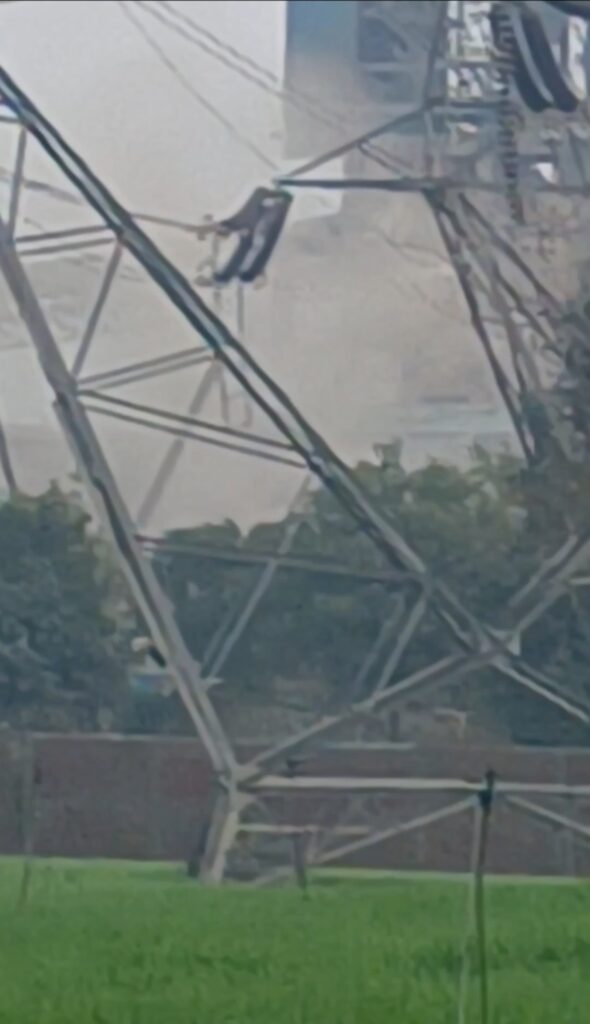
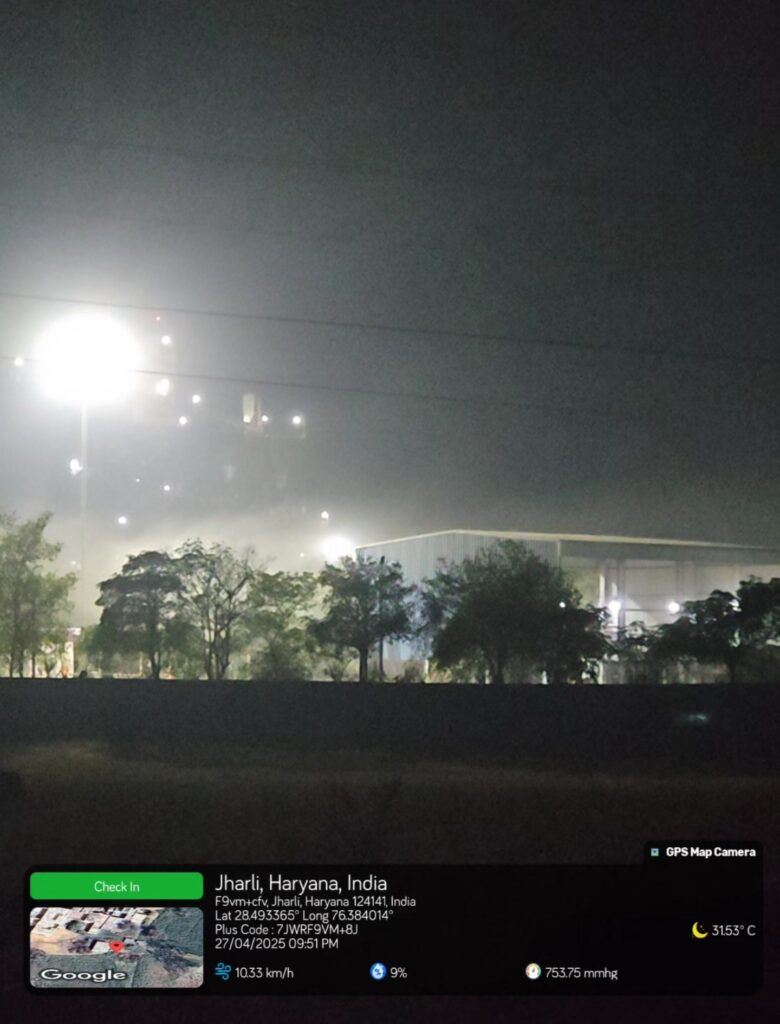
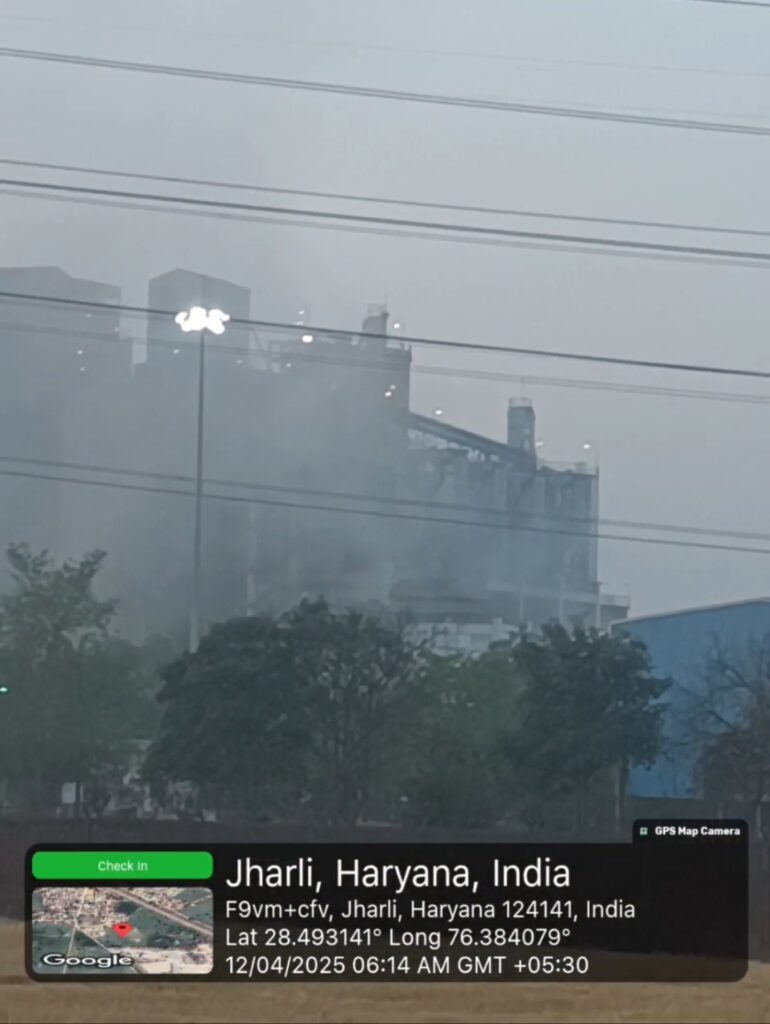
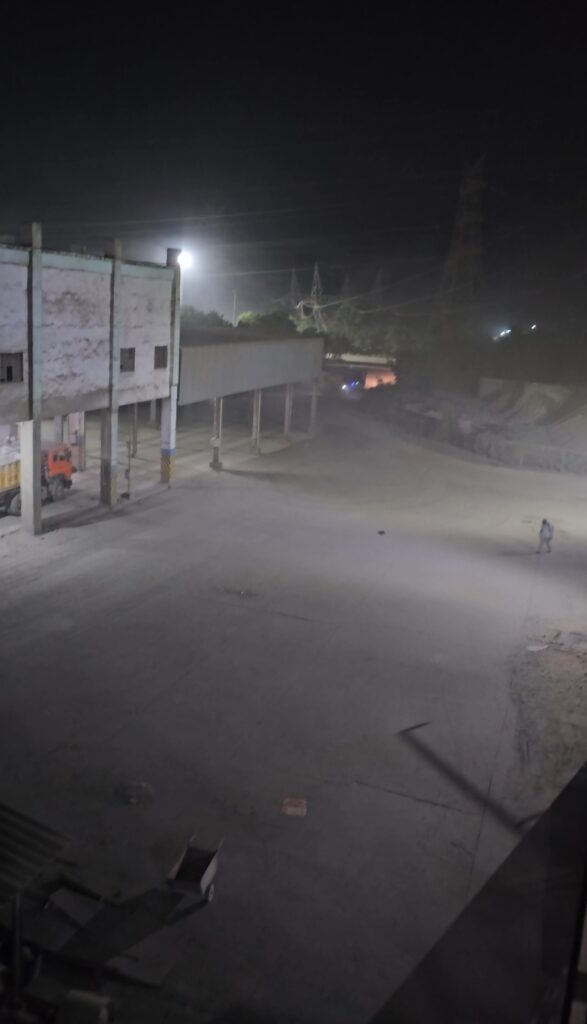
The cement plant claims in its official compliance reports that it is following all environmental guidelines. However, residents living nearby have observed heavy dust and pollution coming from the plant every single day. This clearly shows that the plant is not following the rules it claims to be complying with.
Despite many complaints, the authorities have failed to carry out proper inspections and continue giving a “clean chit” to the company. This has allowed the plant to operate without accountability since its establishment.
But now, we have gathered strong proof that:
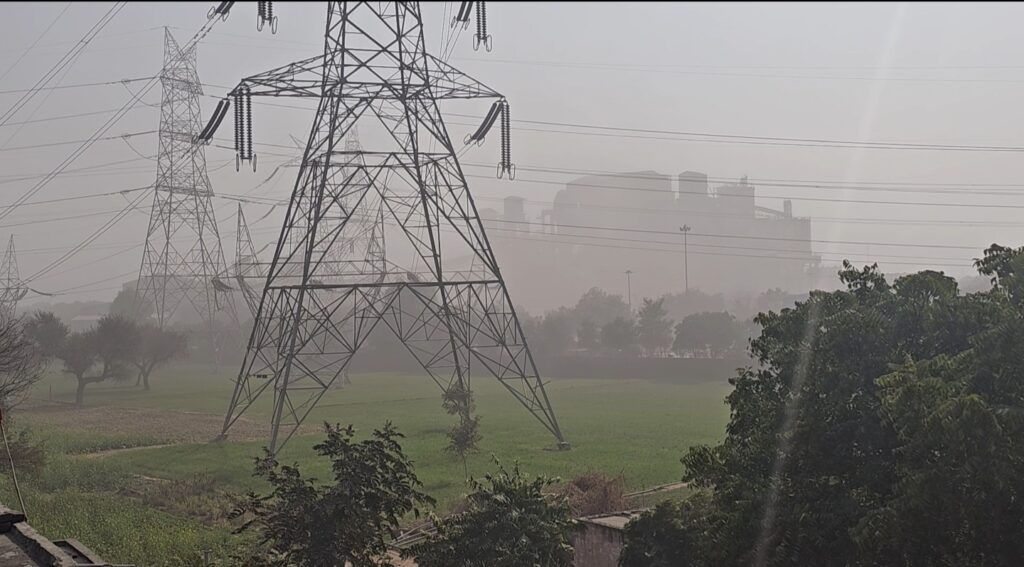
– 🌫️ The plant is creating significant air pollution
– 📑 The compliance reports submitted are false and misleading
– ❌ Not even a single condition from the approval letter is being followed properly
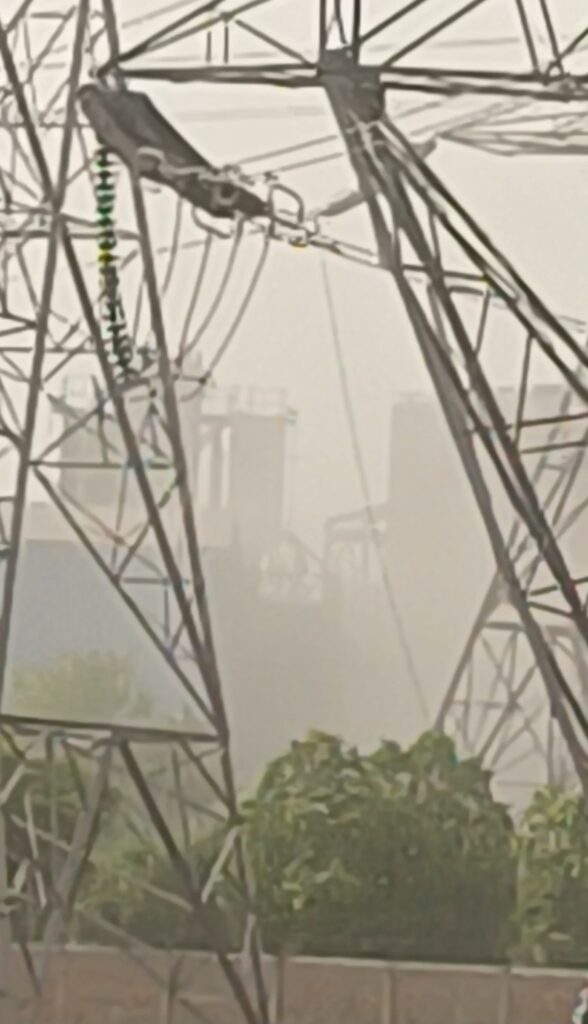
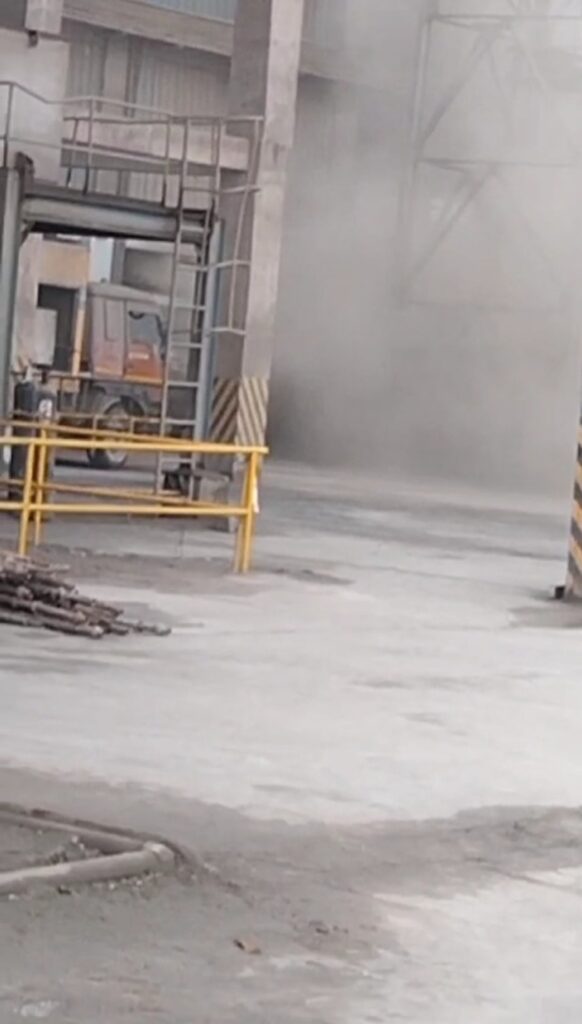
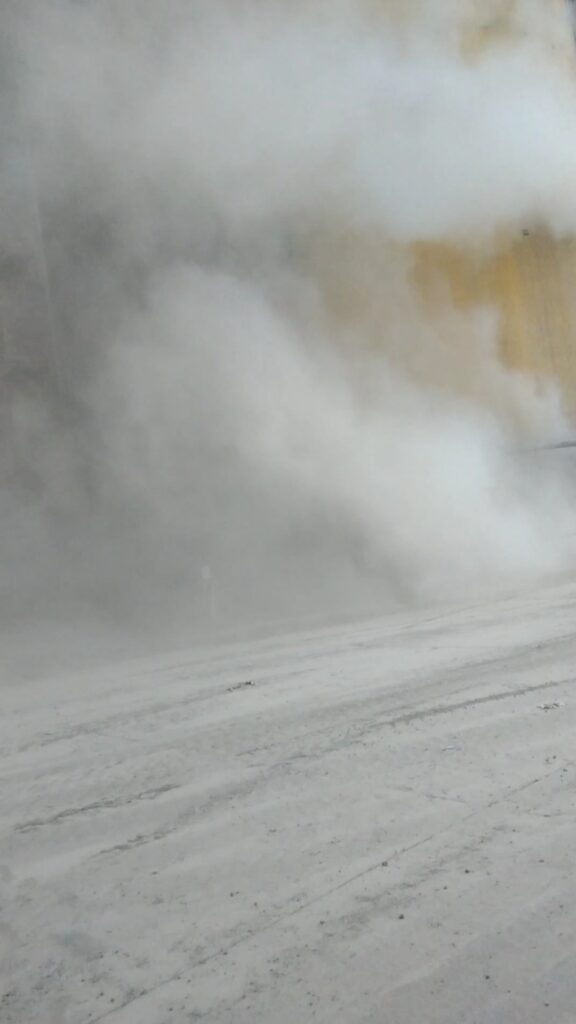
– 👀 Residents have daily visual evidence of dust emissions
🚨 This is a serious violation of environmental laws and public trust. It’s time for the authorities to act and hold the company accountable.
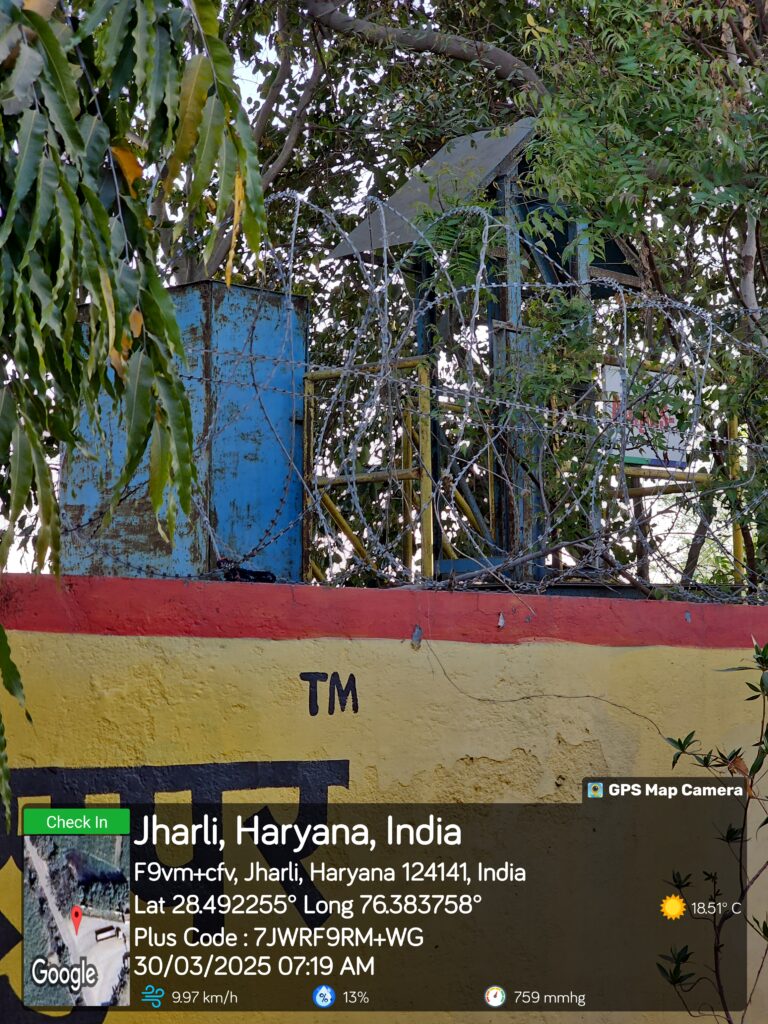
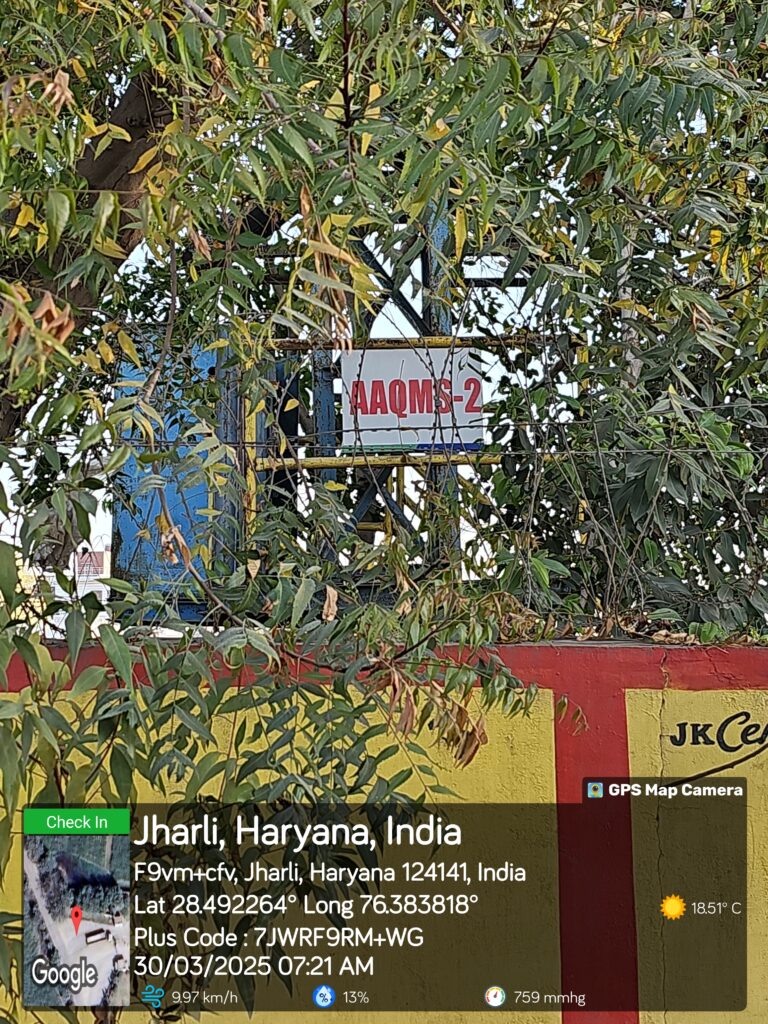
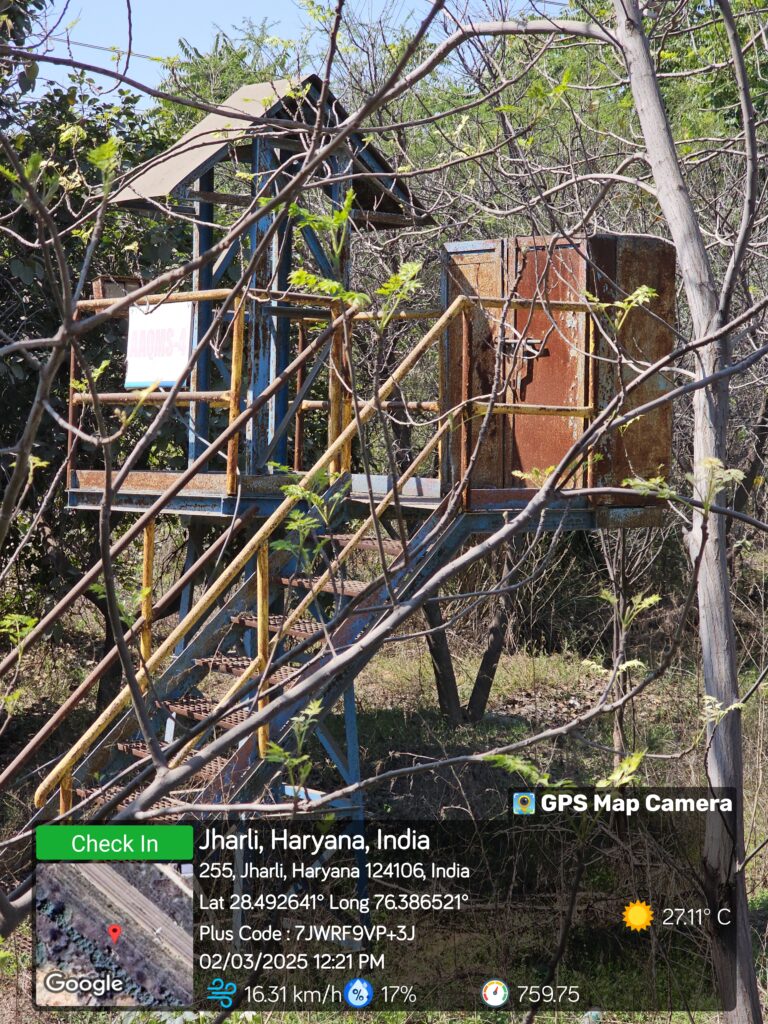
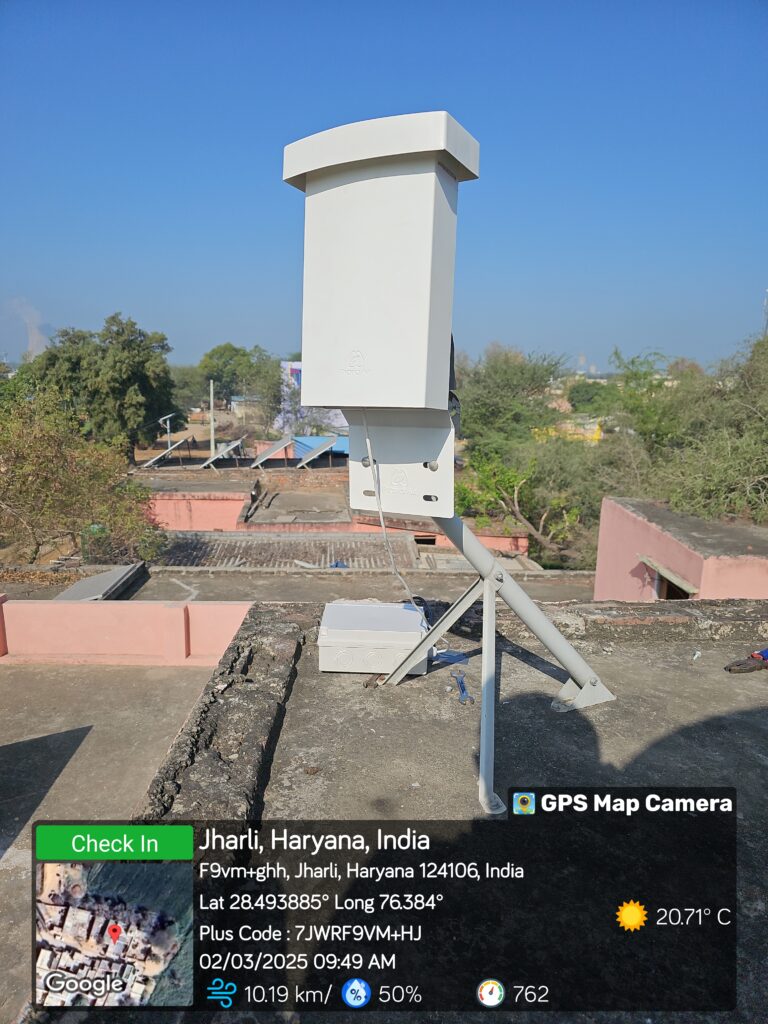
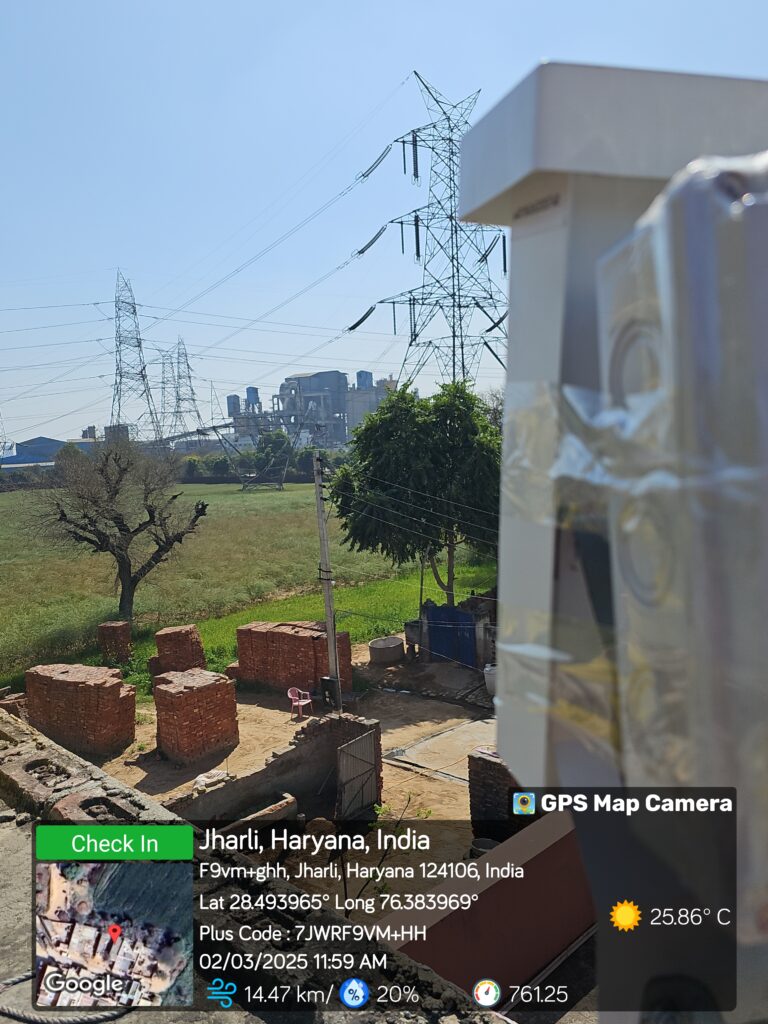
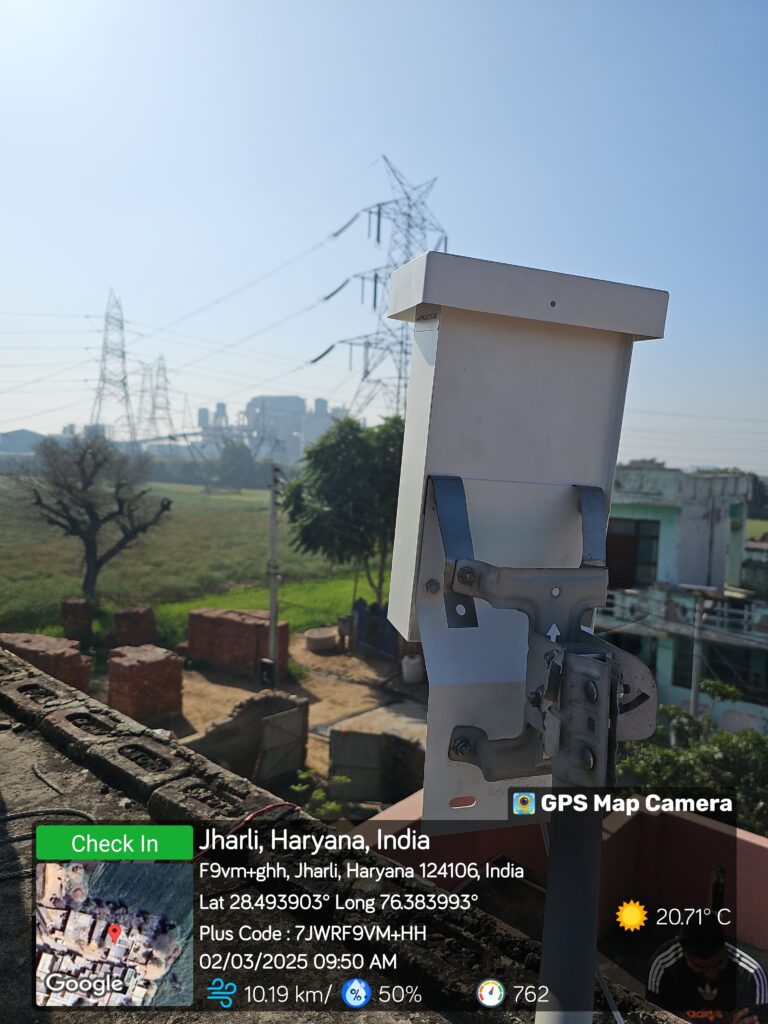
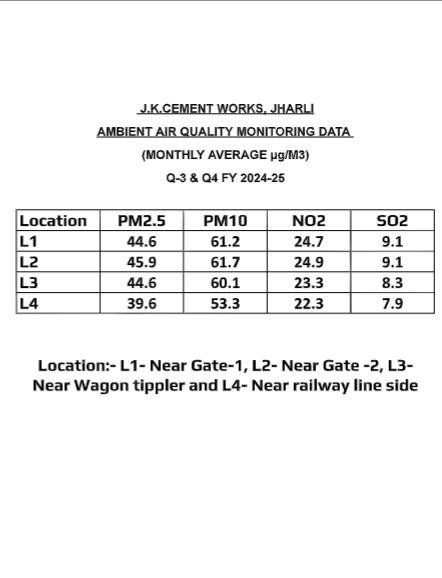
                                                    *AIR MONITORING DATA AND SAMPLER PHOTO PROVIDED BY COMPANY IN COMPLIANCE REPORT

🌳 False Air Quality Data and Closed Sampler Platforms

The cement plant is submitting air quality reports that claim full compliance, but the data is false and misleading.
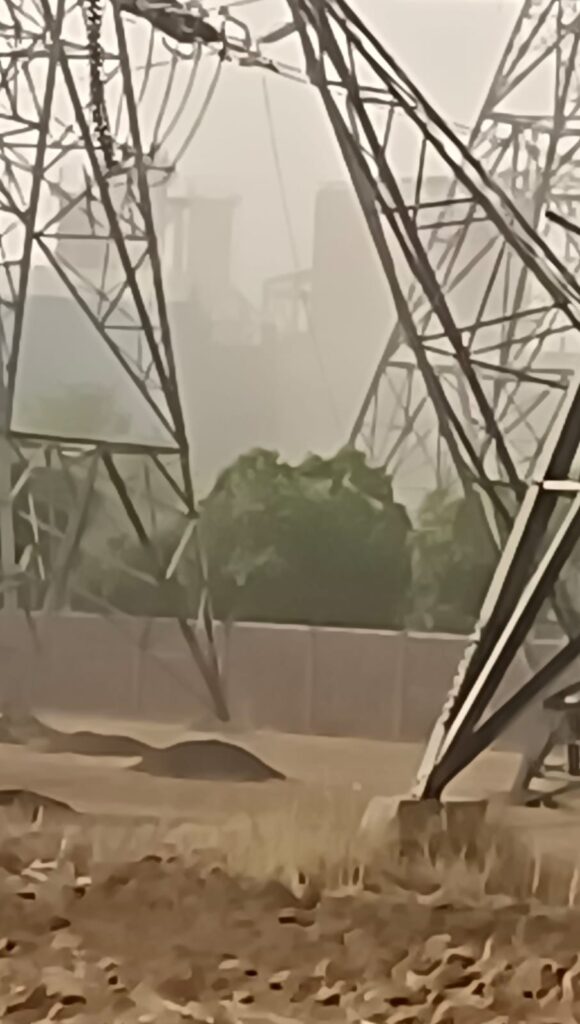
  • In 2nd image, it’s clearly visible that trees are taller than and very close to the air sampler, which goes against CPCB guidelines. Such placement can affect air flow and give inaccurate readings.
  • Our on-site photos show that all sampler platforms are covered by trees, and none of them are operational.
  • Most samplers are either switched off or locked, which means no real data is being collected.
  • Despite this, the company continues to provide fake compliance reports to the authorities. It’s clear that they are not monitoring air pollution properly—and yet they keep getting approvals without real inspections.


📍 CPCB Guidelines for Air Sampler Placement

  • Air samplers must be placed in open areas with free air movement.
  • They should be away from buildings, trees, and other obstructions that can block airflow or cause turbulence.
  • A minimum clearance of 2 to 5 meters from vertical surfaces (like walls or trees) is recommended.
  • Obstructions can distort the airflow, leading to inaccurate readings of particulate matter and gaseous pollutants.

🔗
See full CPCB rules (PDF)

🚨 Ultra-Fine Cement Dust: Profits Over Public Health?

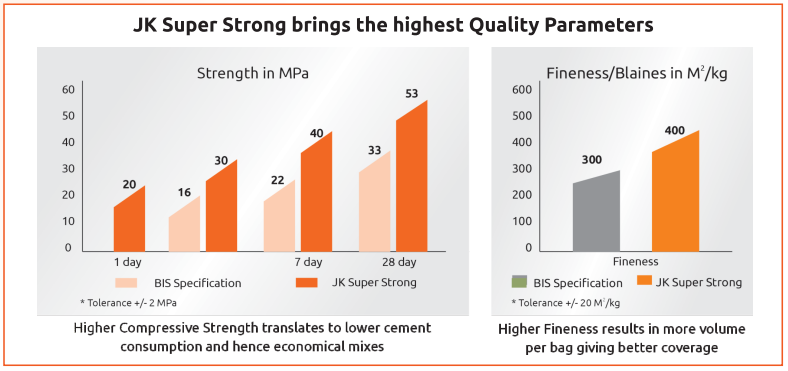
JK Super claims to produce the “finest” cement with a surface area of 400 m²/kg—even higher than ISI standards. But this ultra-fine dust doesn’t just boost profit it silently threatens public health. Due to its tiny particle size, this dust can travel deep into our lungs, increasing the risk of severe respiratory damage. Communities around the plant are suffering while authorities remain silent. Through an RTI, we discovered that the Central Pollution Control Board (CPCB) has never inspected this plant, not even once since its establishment. This raises serious questions about oversight, accountability, and responsibility.

SEE PROOFS

                                                                         CLOSED SAMPLE PLATFORMS BETWEEN TREES

🔍 Independent Air Sampling Reveals False Pollution Data by Cement Plant.

We knew that the cement plant was submitting fake air sampling reports and not following environmental norms. To verify the truth, we conducted our own air quality monitoring using a low-cost ambient air sampler developed by Prana Air, which has shown 91% accuracy compared to high-end digital samplers as per calibration certificate and found accurate in research conducted by IIIT Hyderabad.
See Full Research

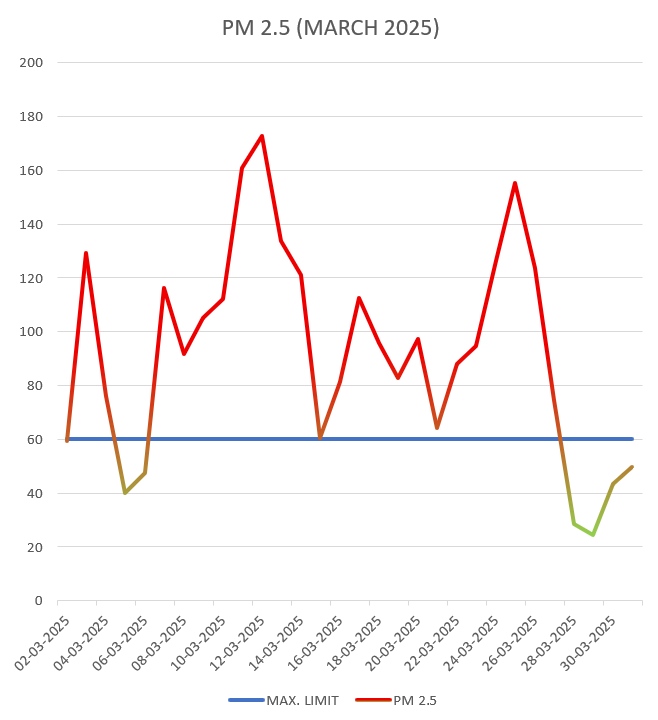
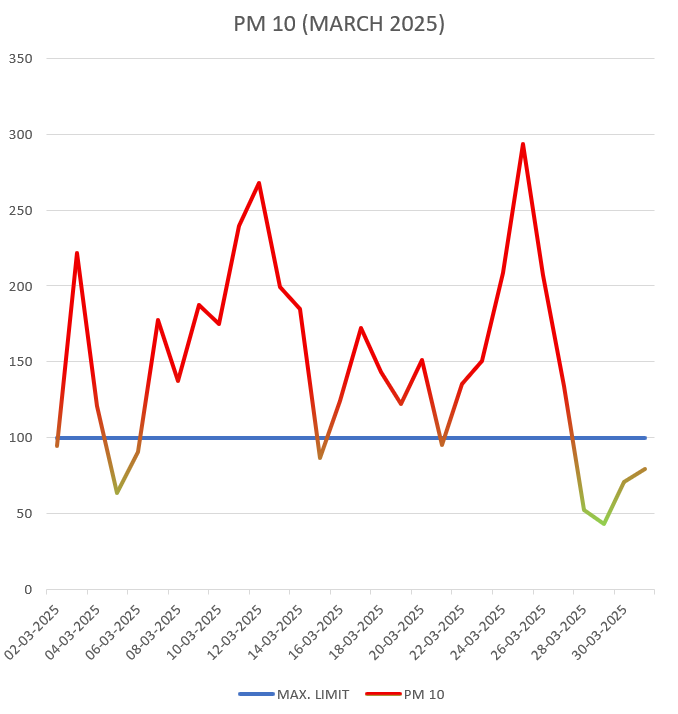
📅 Our air sampling was carried out in March, and the results were alarming:
• ☁️ Pollution levels were above the legal limit throughout the month, except 2 times due to rainy days.
• 🏭 It was observed that the plant was aggressively polluting during this period, likely to meet production targets before the end of the financial year.
• 📉 The company’s reported air quality data does not match actual ground-level pollution, clearly pointing to falsification.
📸 We have attached sampling results and photographic evidence below showing the real state of air pollution around the plant.

🌫️ Real Pollution Data from Our Independent Air Sampler 

To check the actual pollution levels near the cement plant, we installed a Prana Air sampler on the roof of our house, following CPCB guidelines. The sampler was placed above all obstructions to ensure accurate readings.

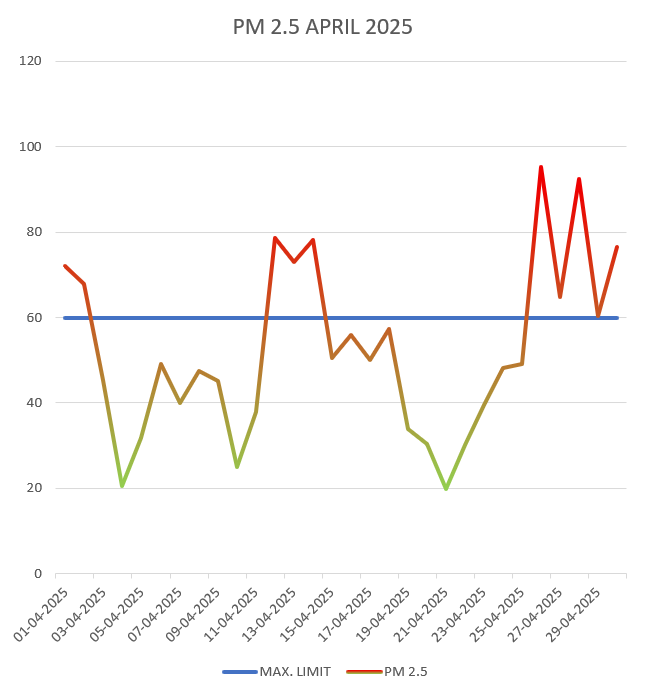
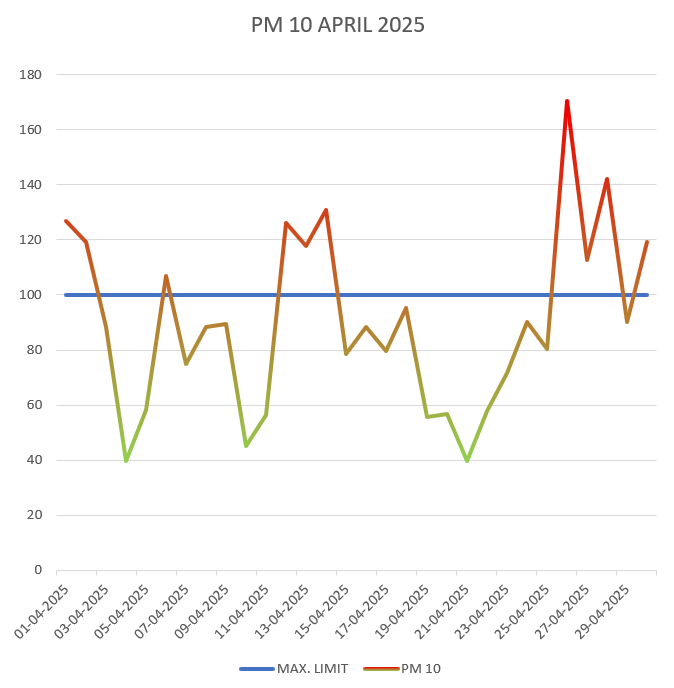
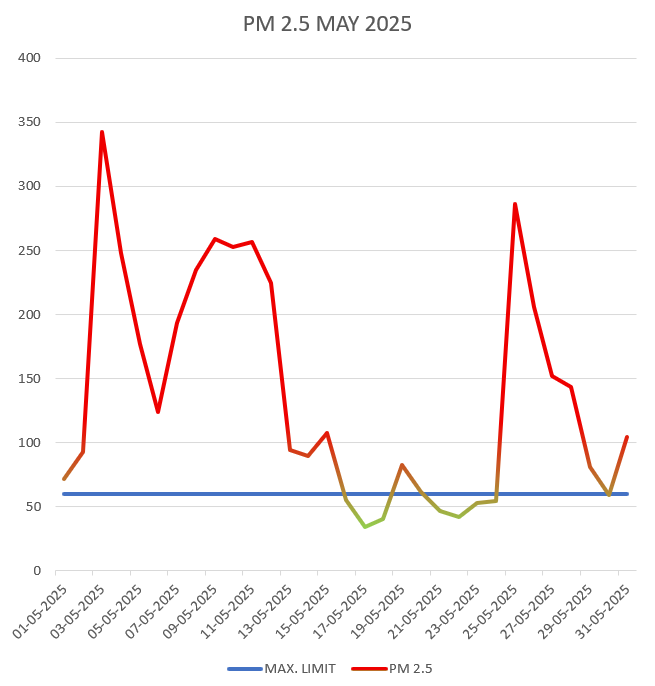
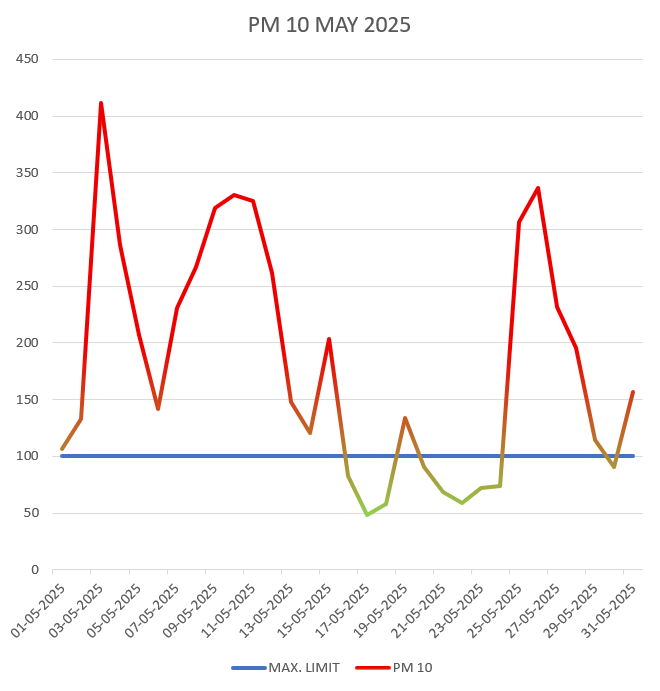
📅 We recorded data for three months – March to May:

– March: Pollution levels were consistently above the legal limit, as the plant was running at full capacity to complete its financial year targets.
– April: Pollution dropped because demand was low and most dealers had already stocked their materials. The plant reduced activity.
– May: Pollution rose again as demand increased, and the plant ignored safety norms to boost production.
🌿 This pollution is harming:

– Local residents
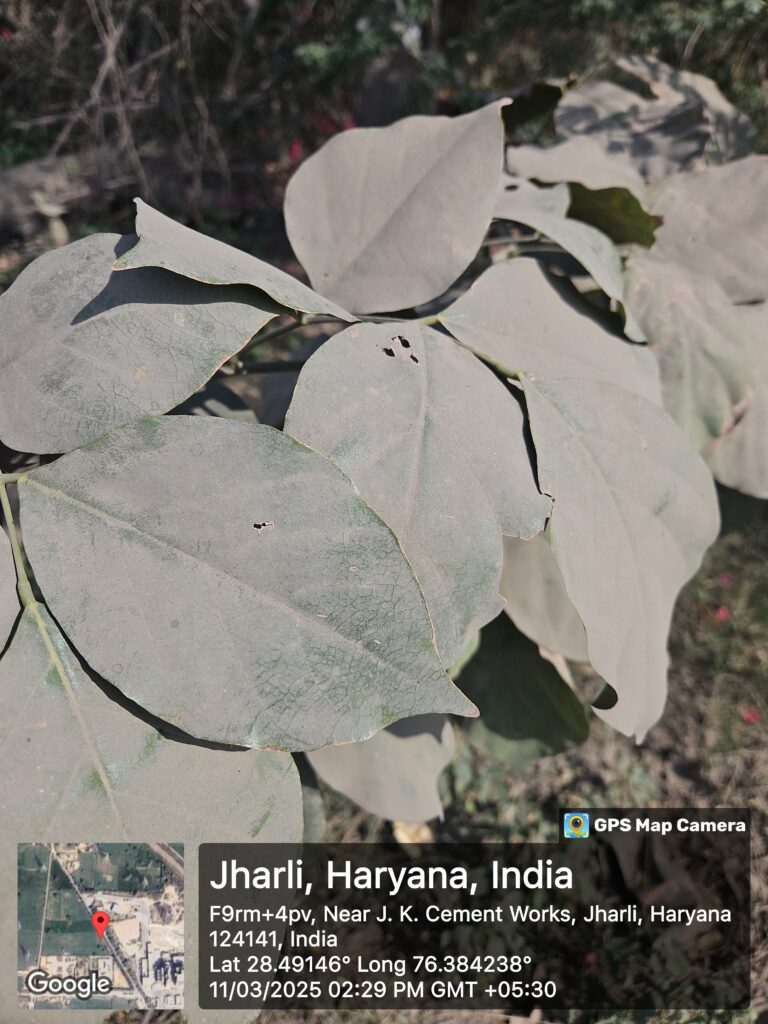
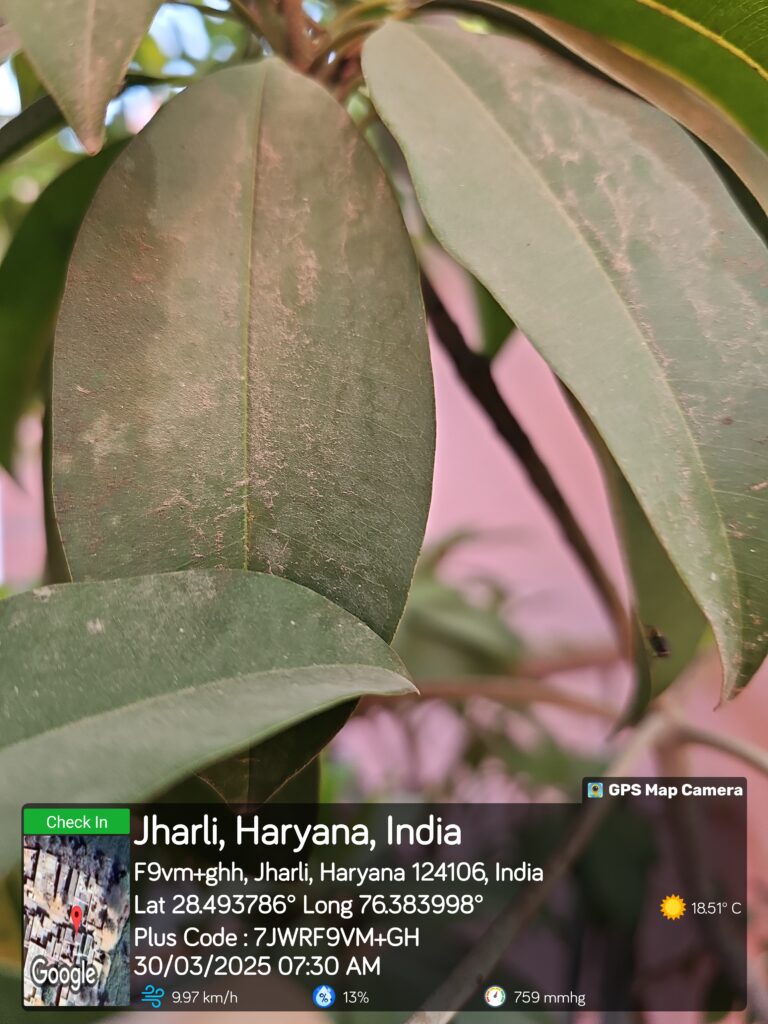
– Nearby trees and crops
– Overall environment around the plant

We have the data and proof to show that the plant is violating pollution rules and damaging public health and agriculture.

*Graph with 91% of actual readings as device shows 91% accuracy in calibration certificate with high end digital sampler.

Method:-We recorded daily average air pollution readings, applied a 91% accuracy adjustment, and used the data to create detailed graphs. 

PHOTOS BY COMPANY


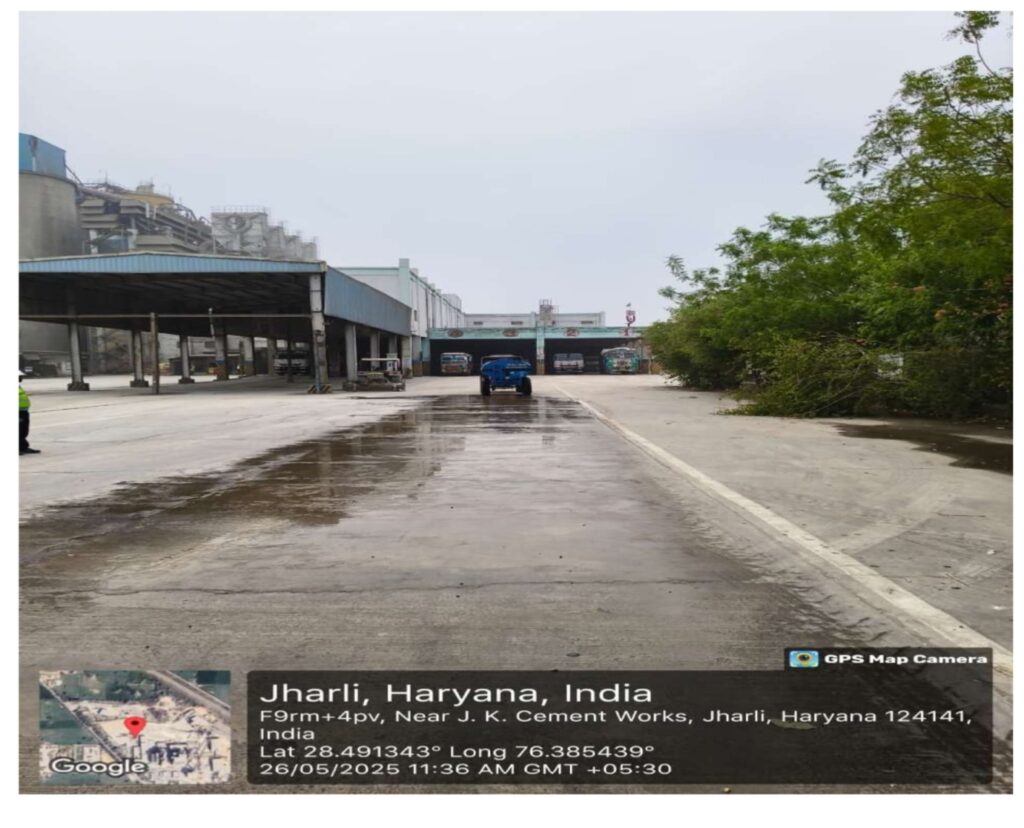
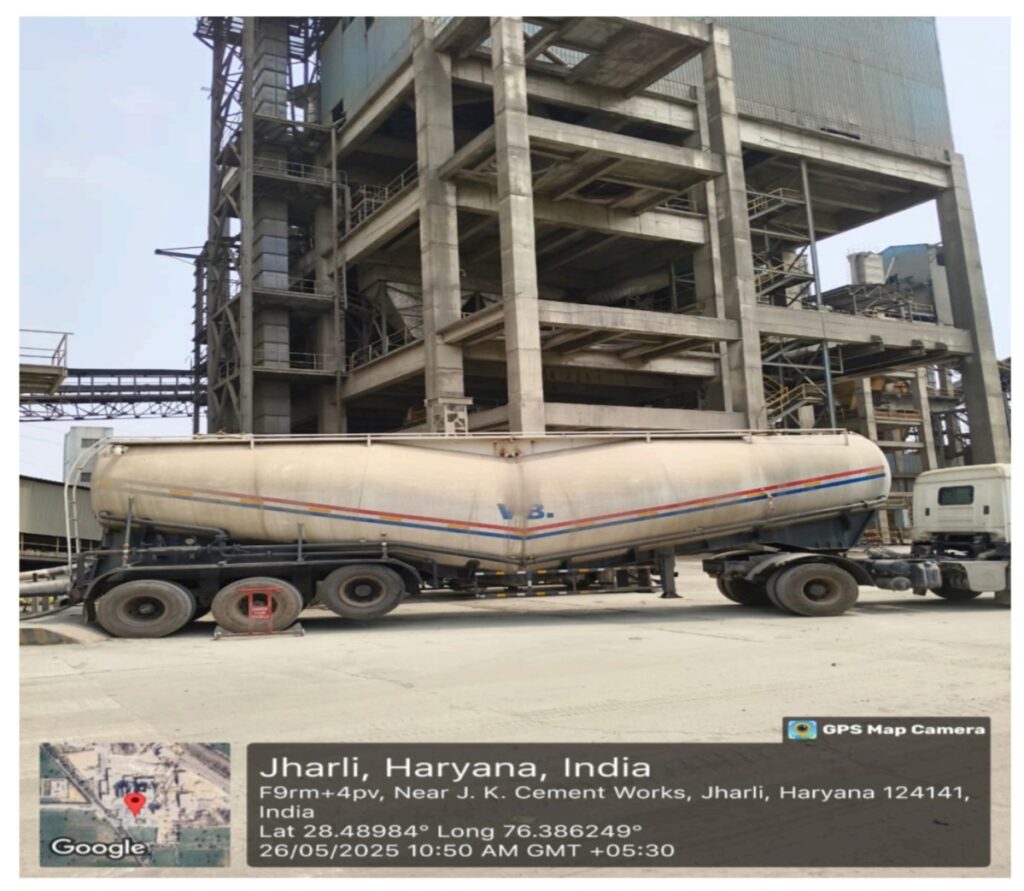
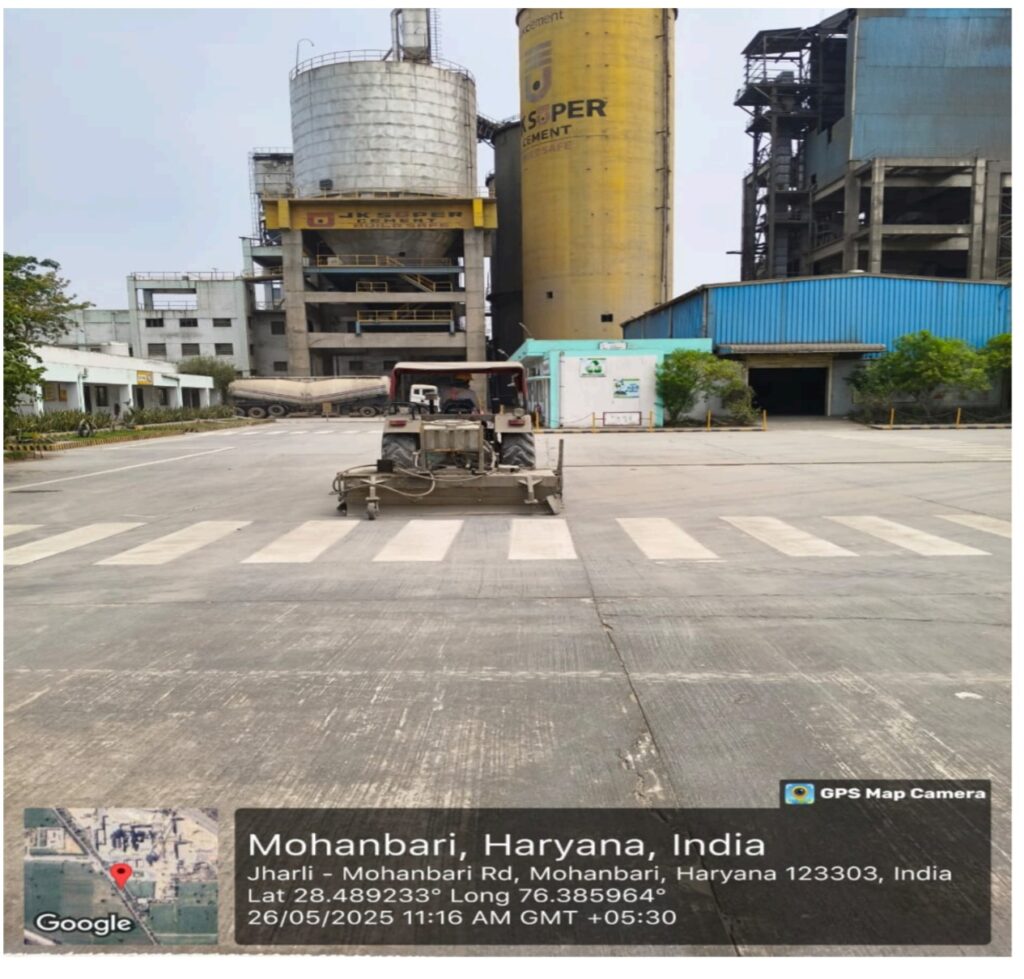
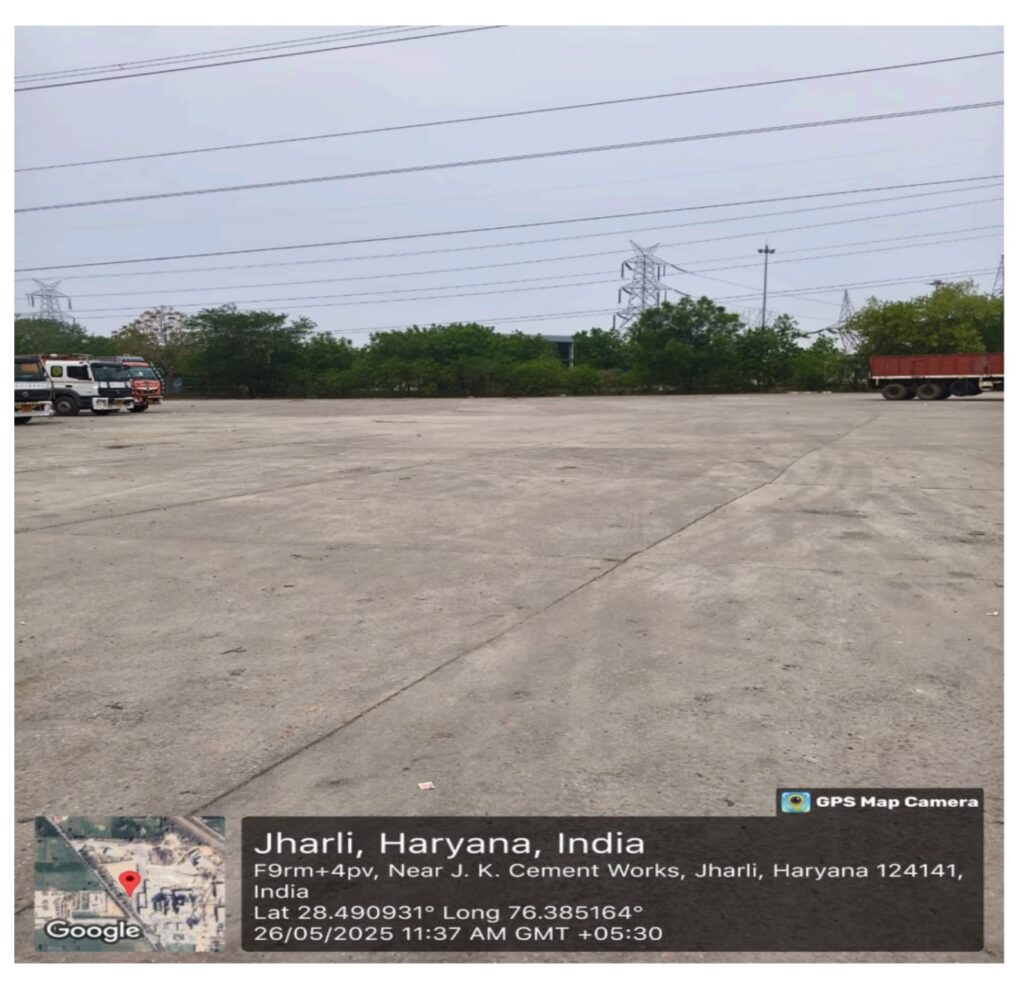
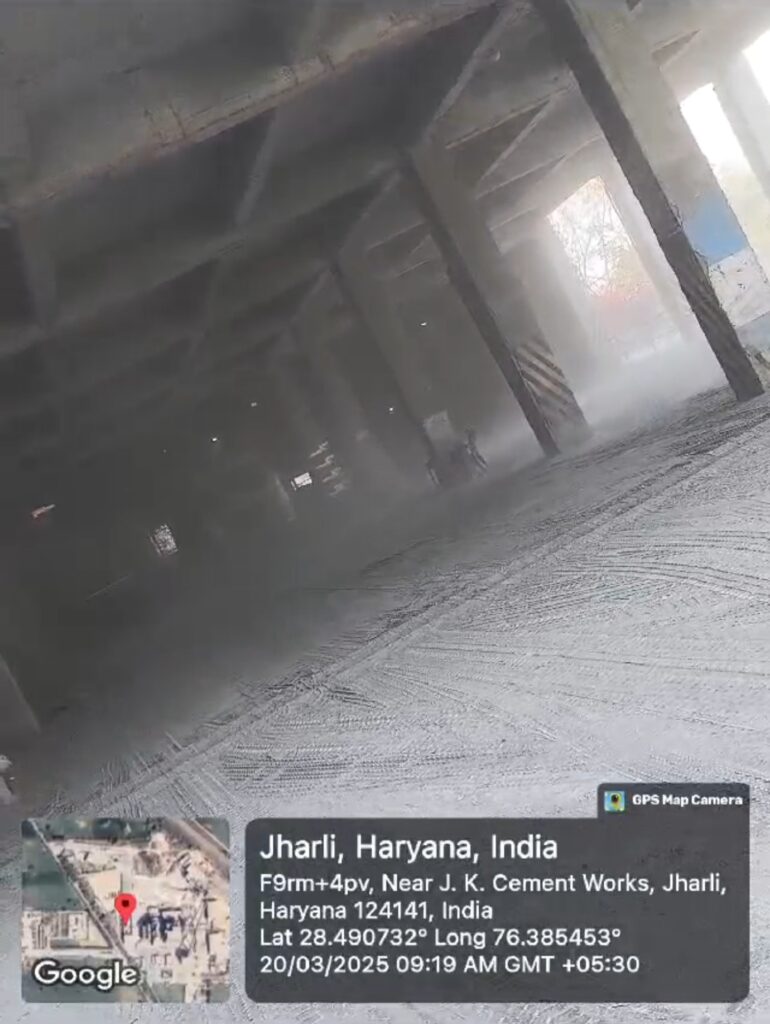
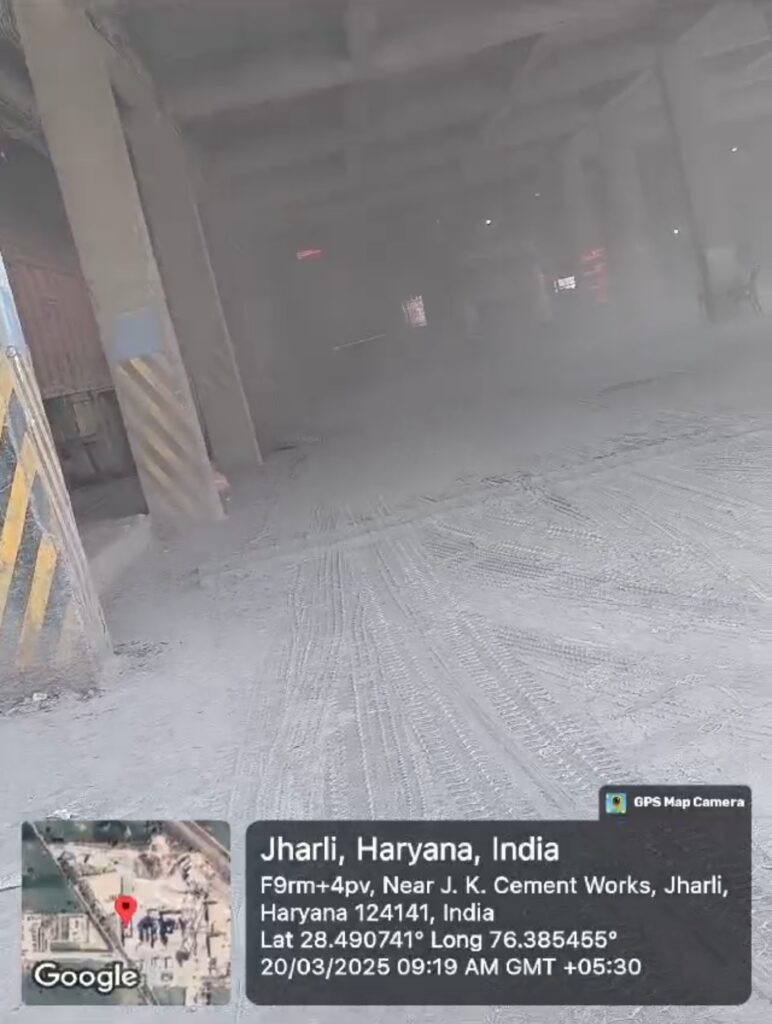
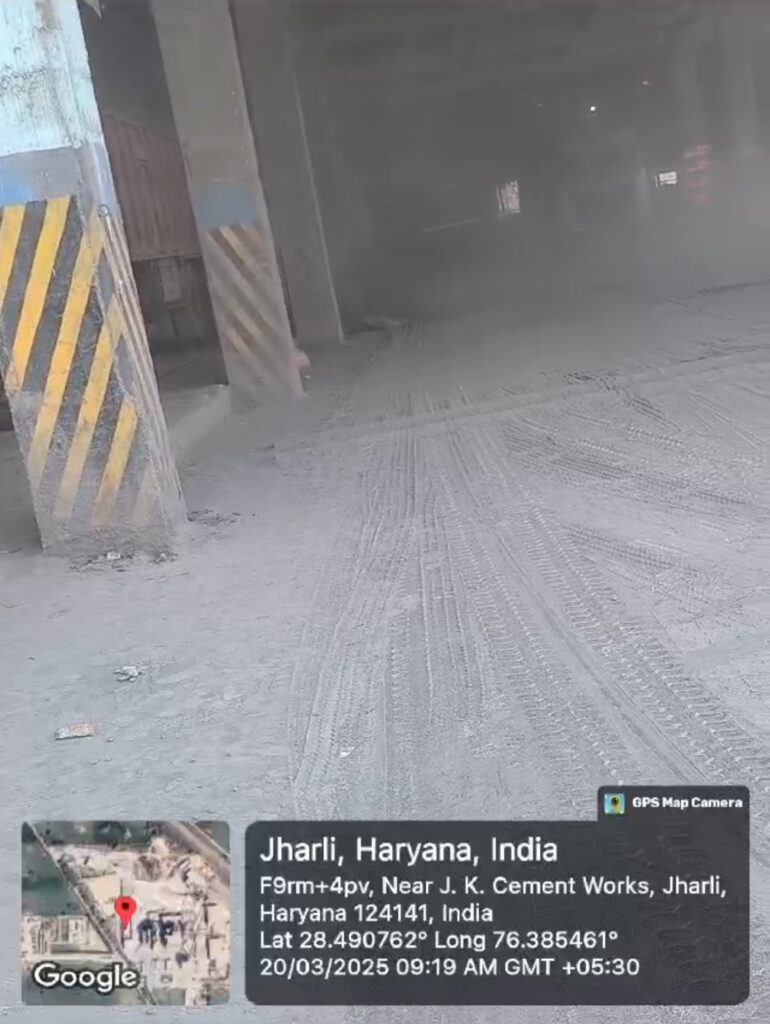
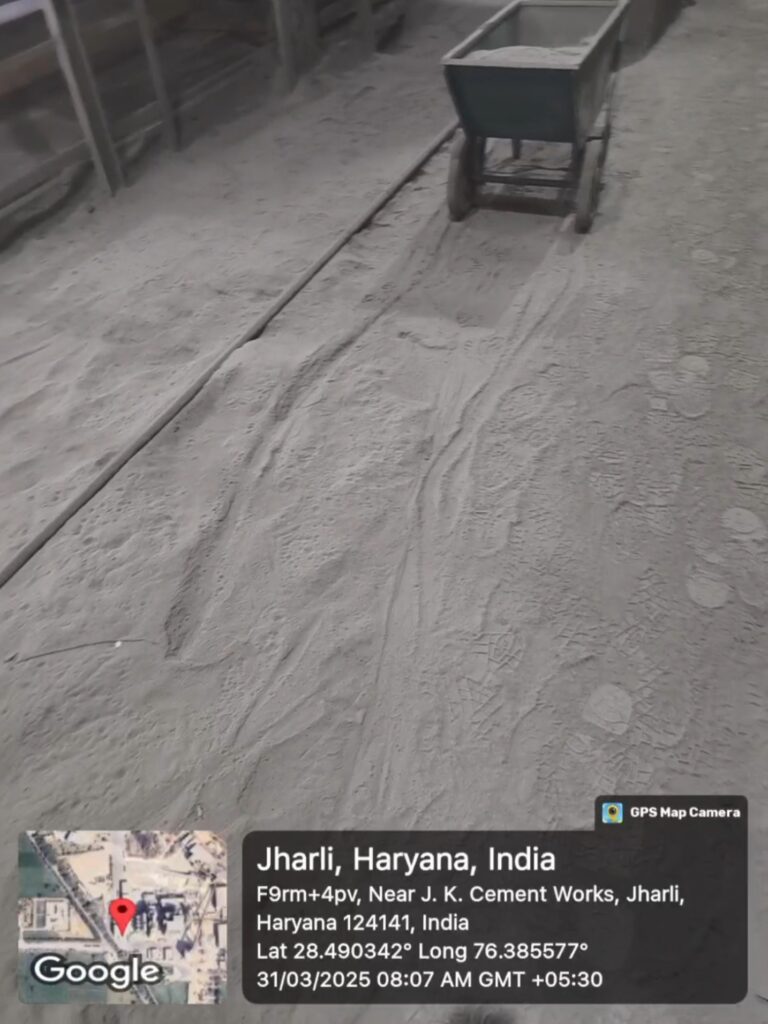
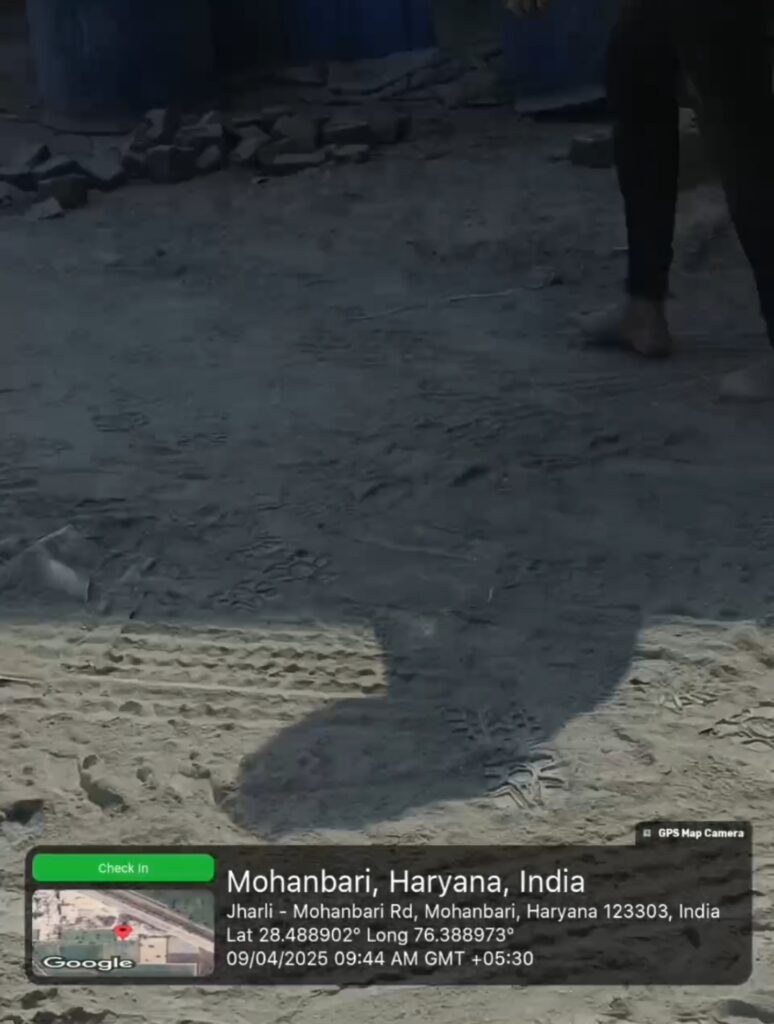
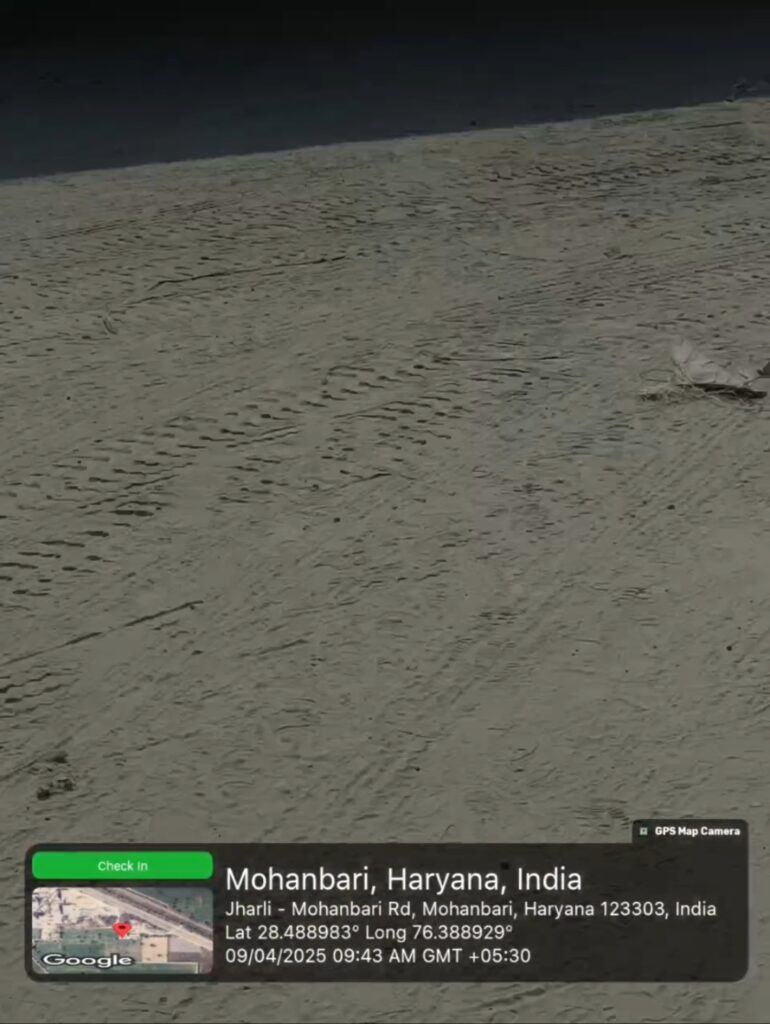
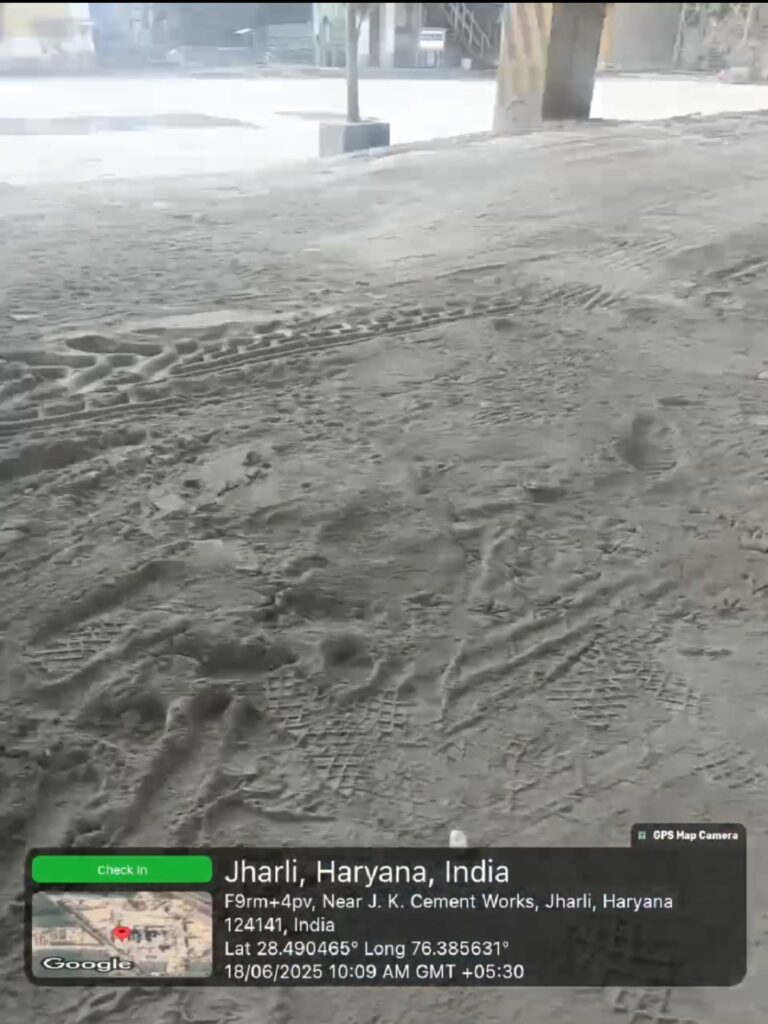
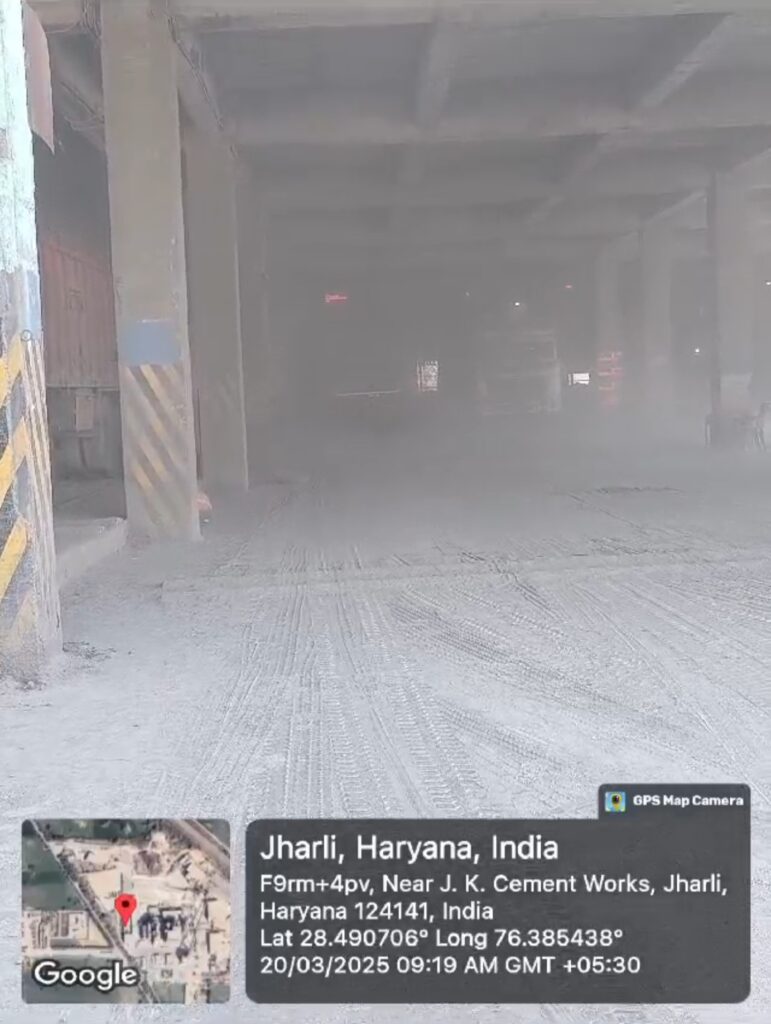
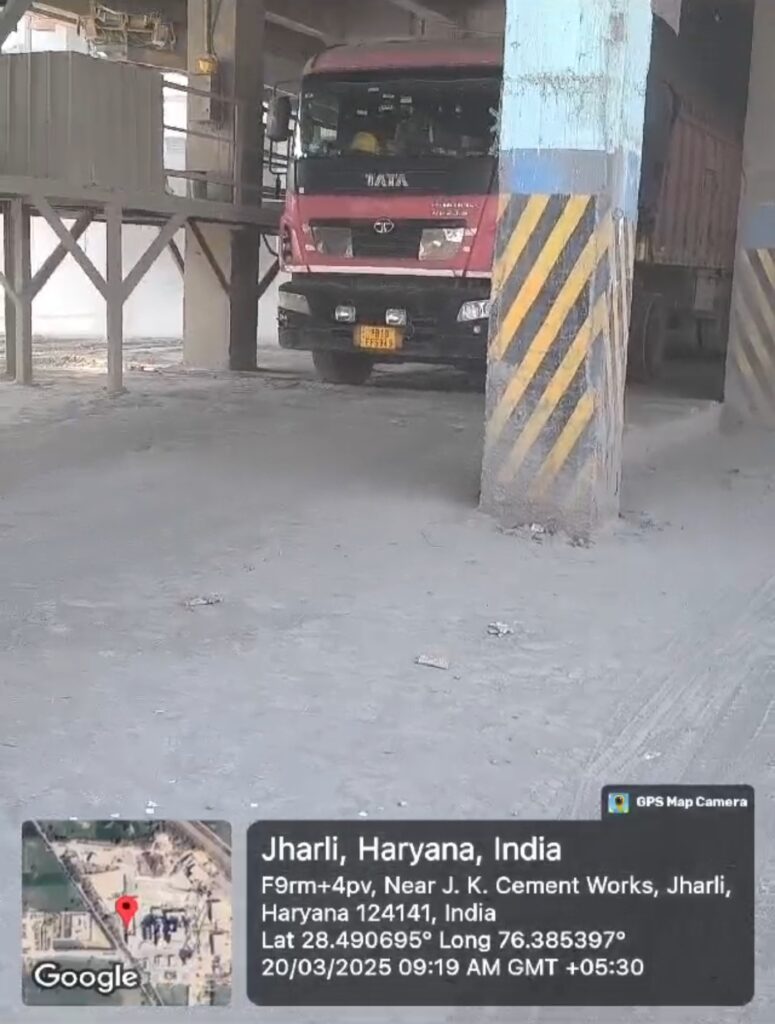
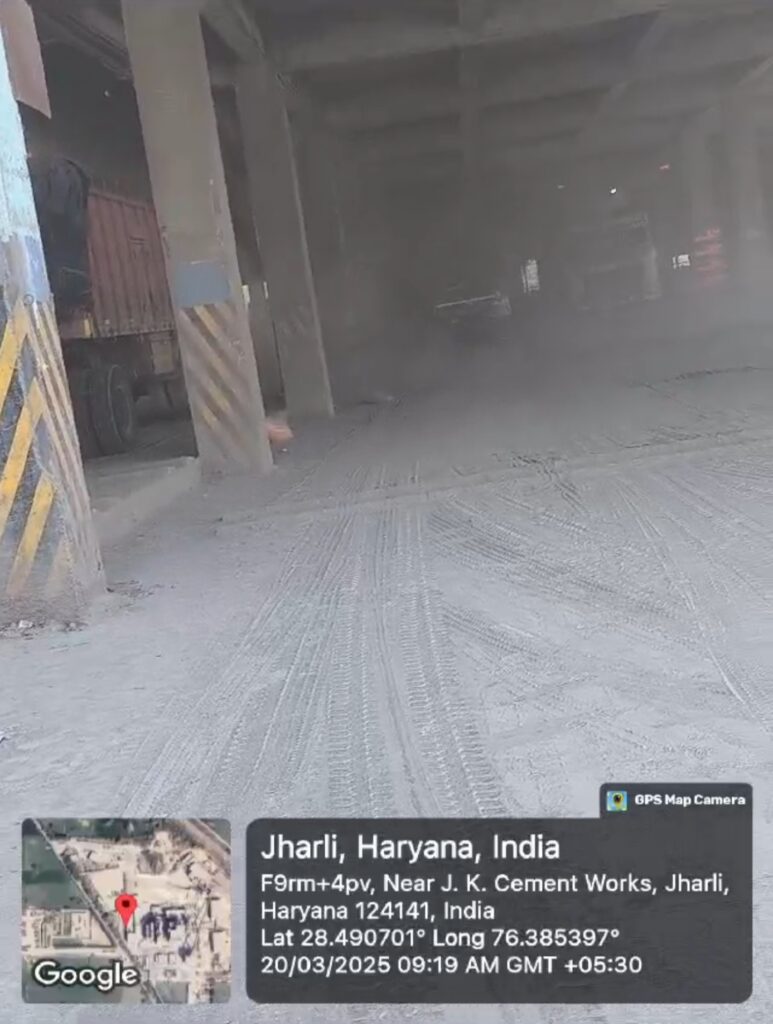
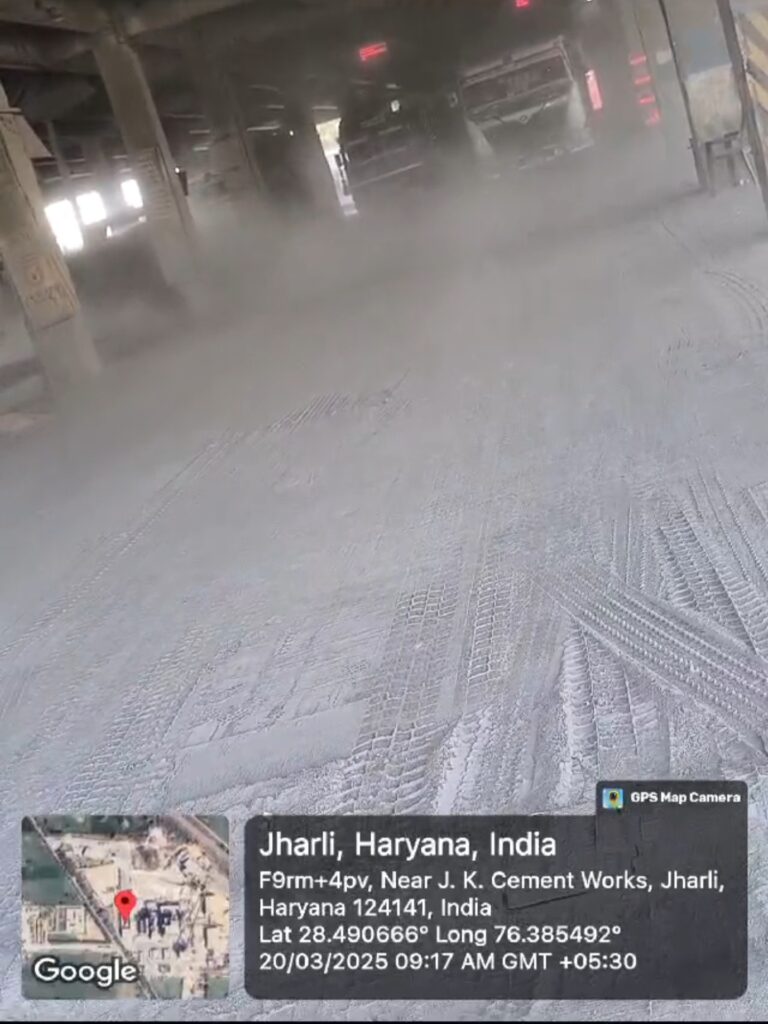
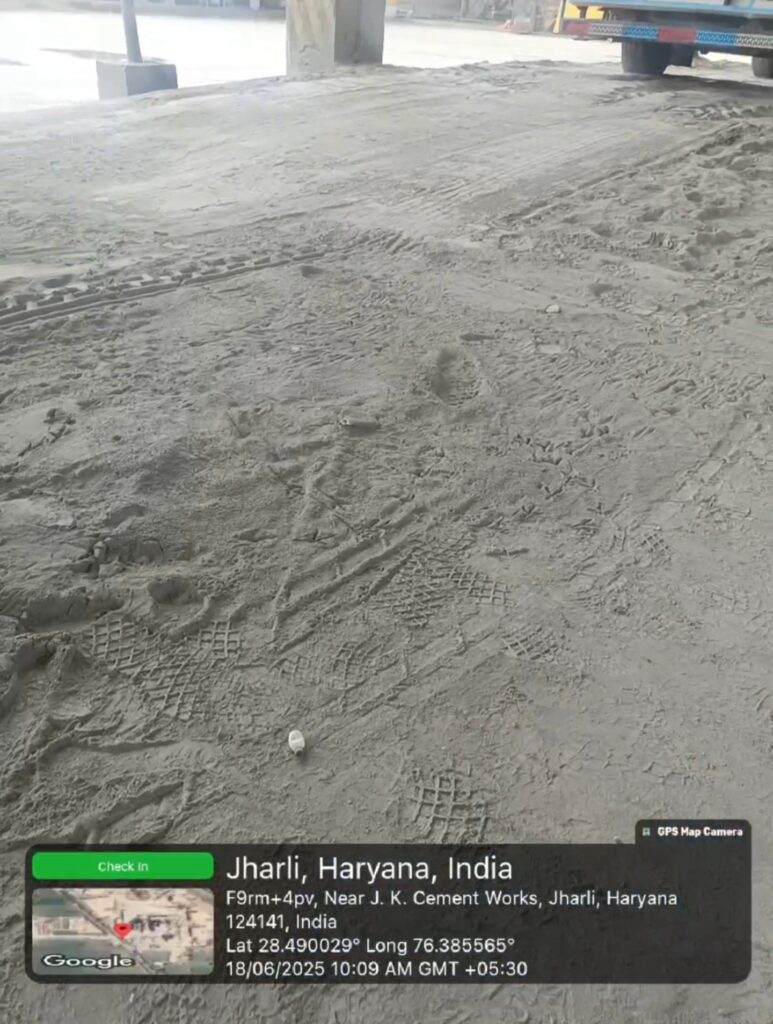
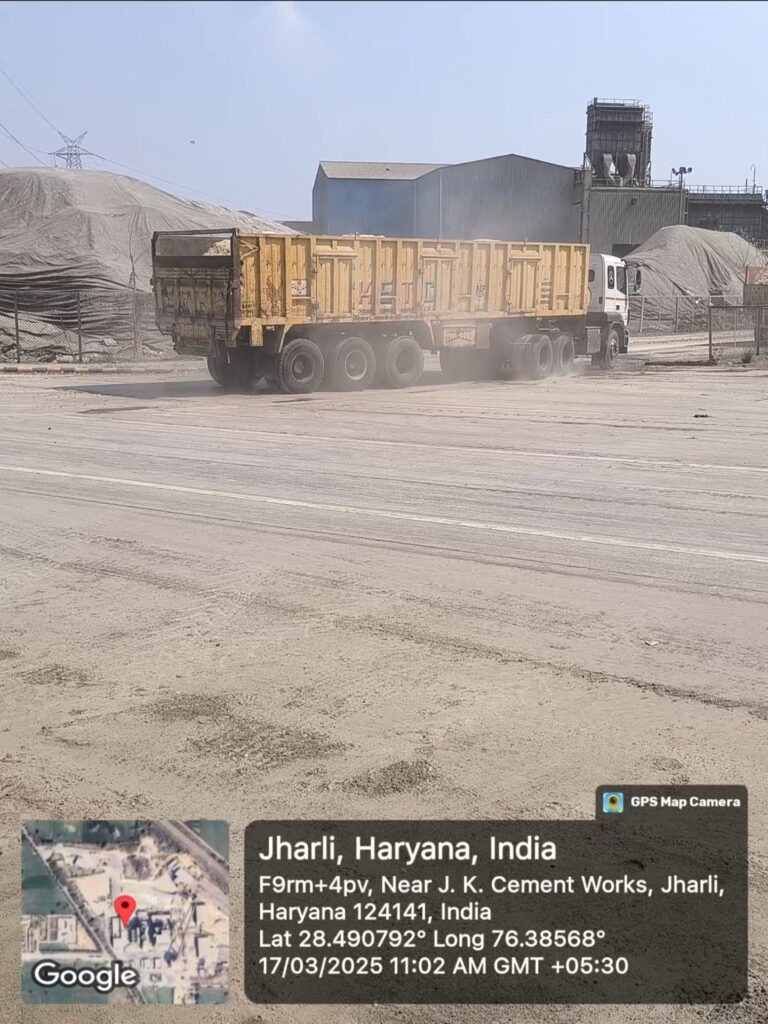
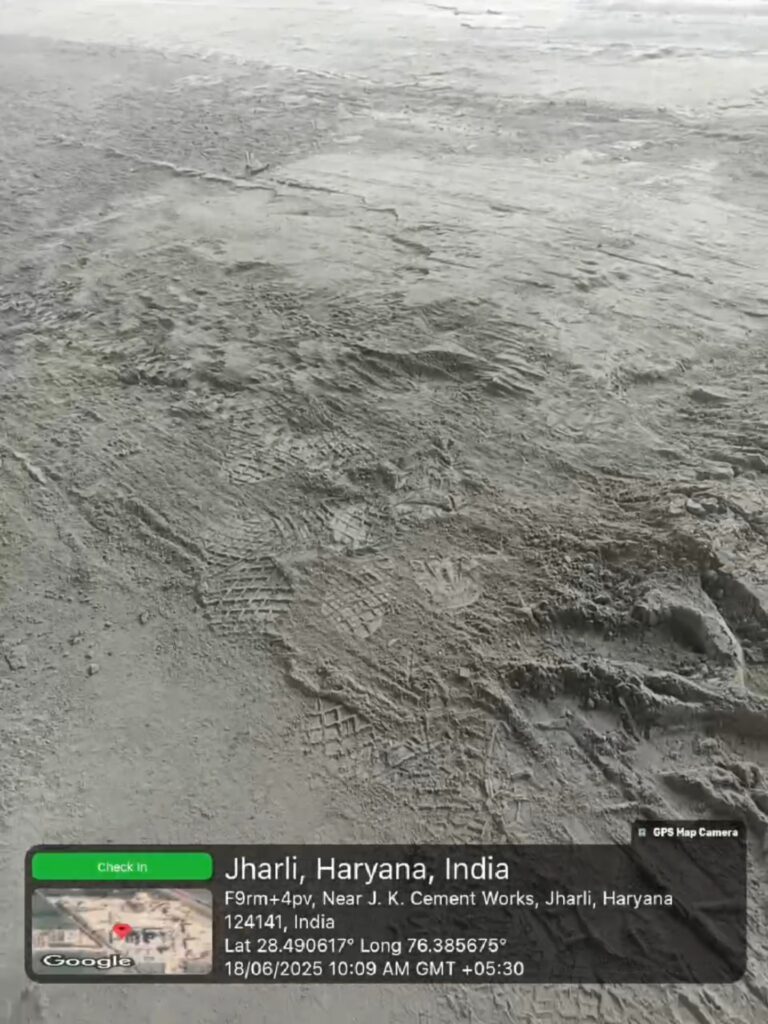
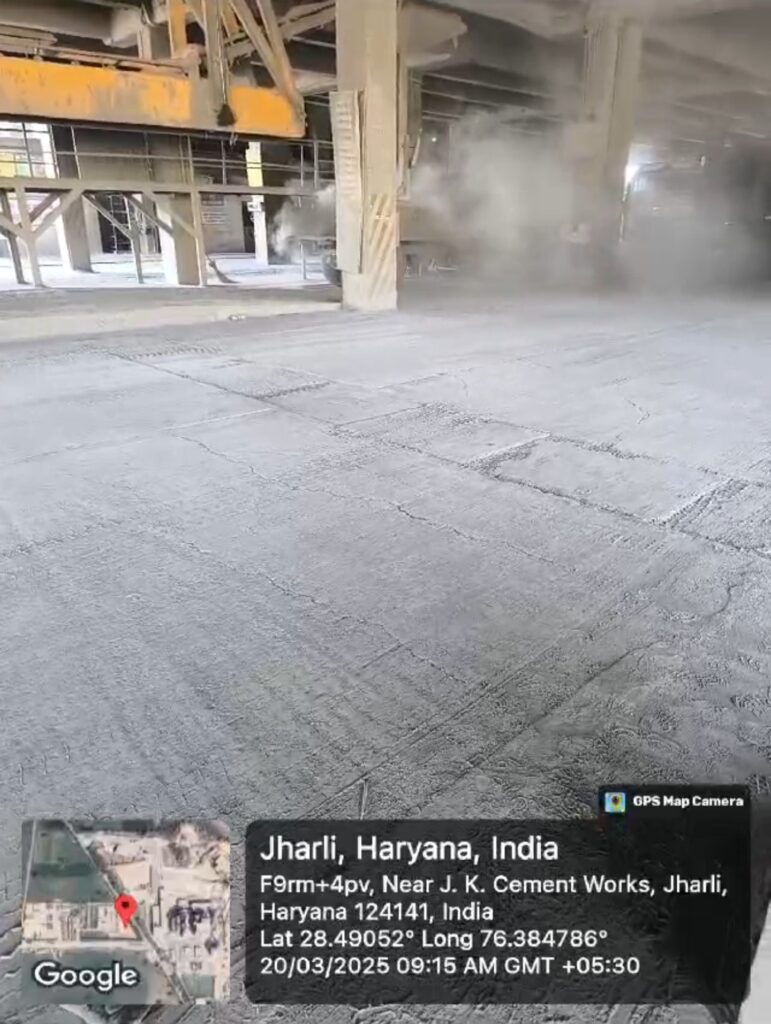
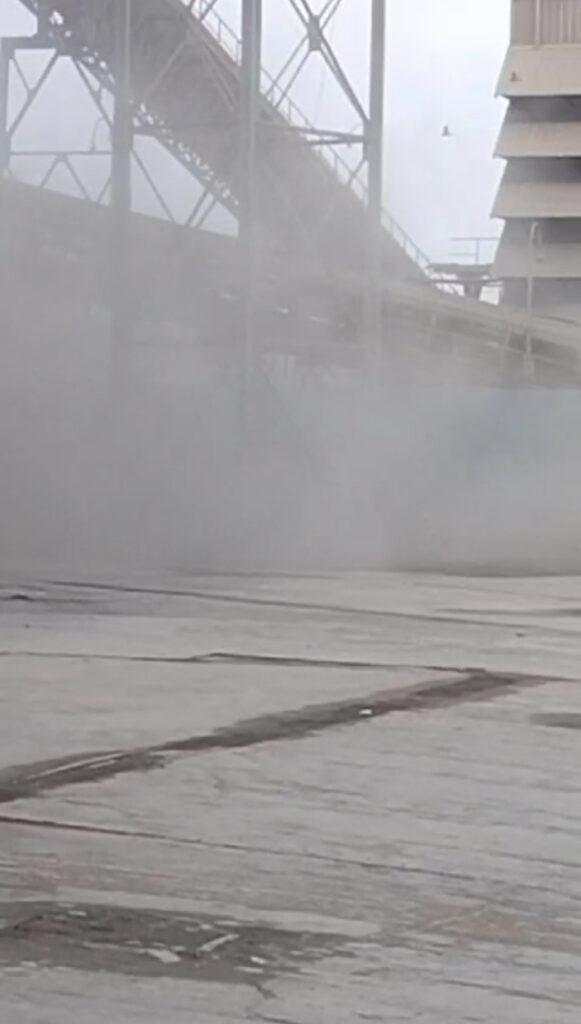
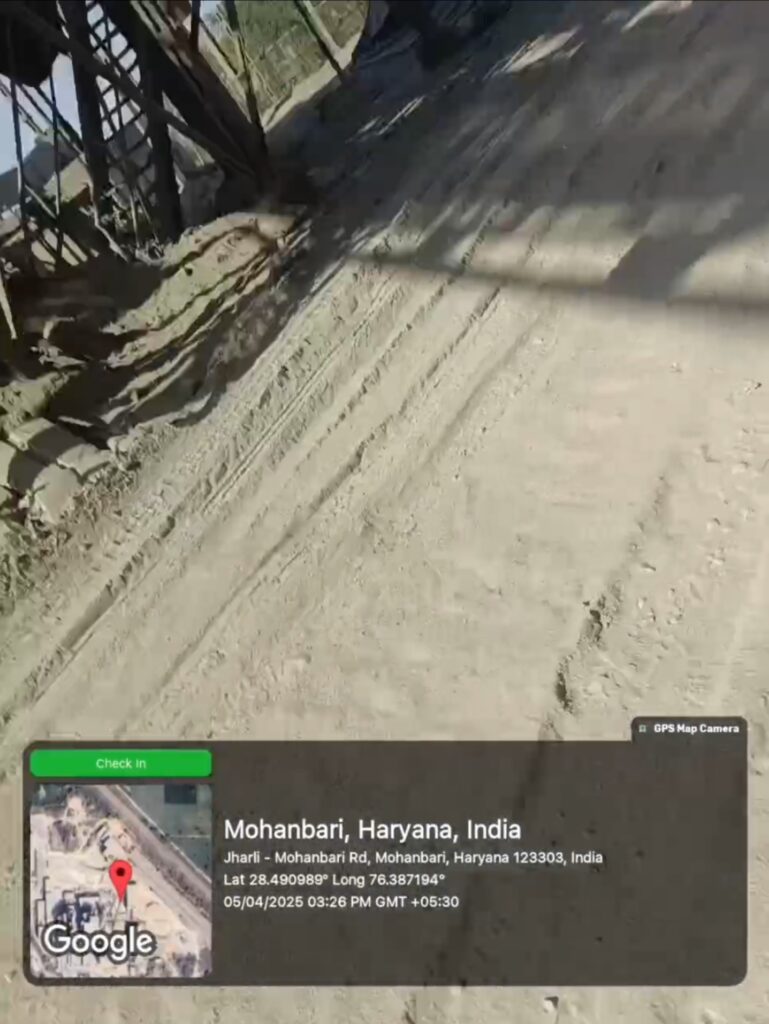
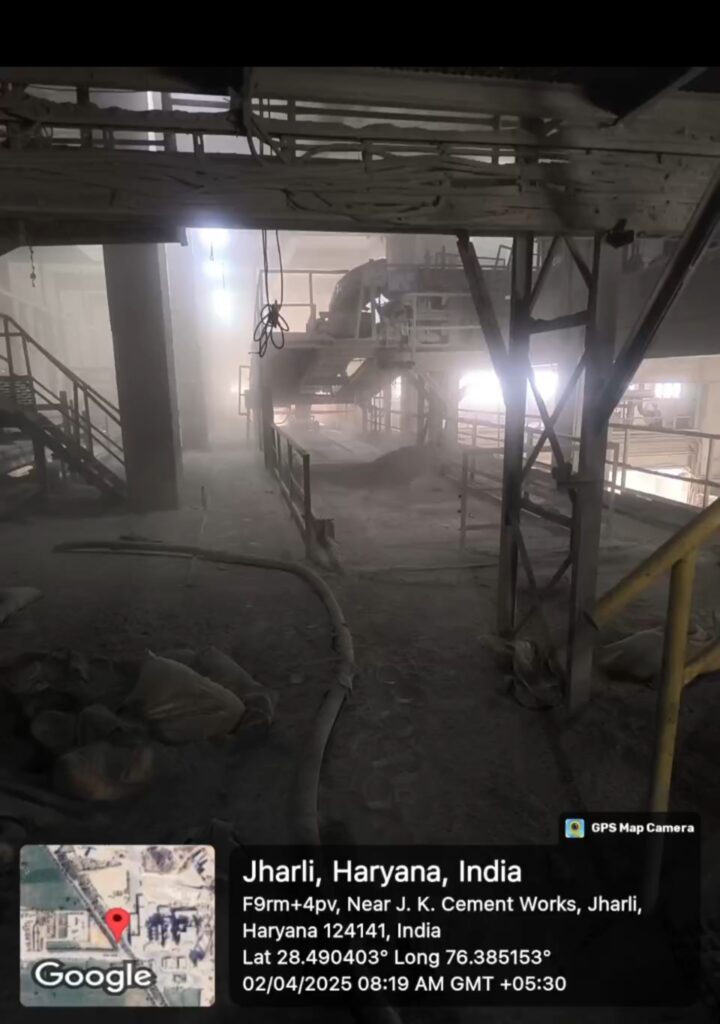
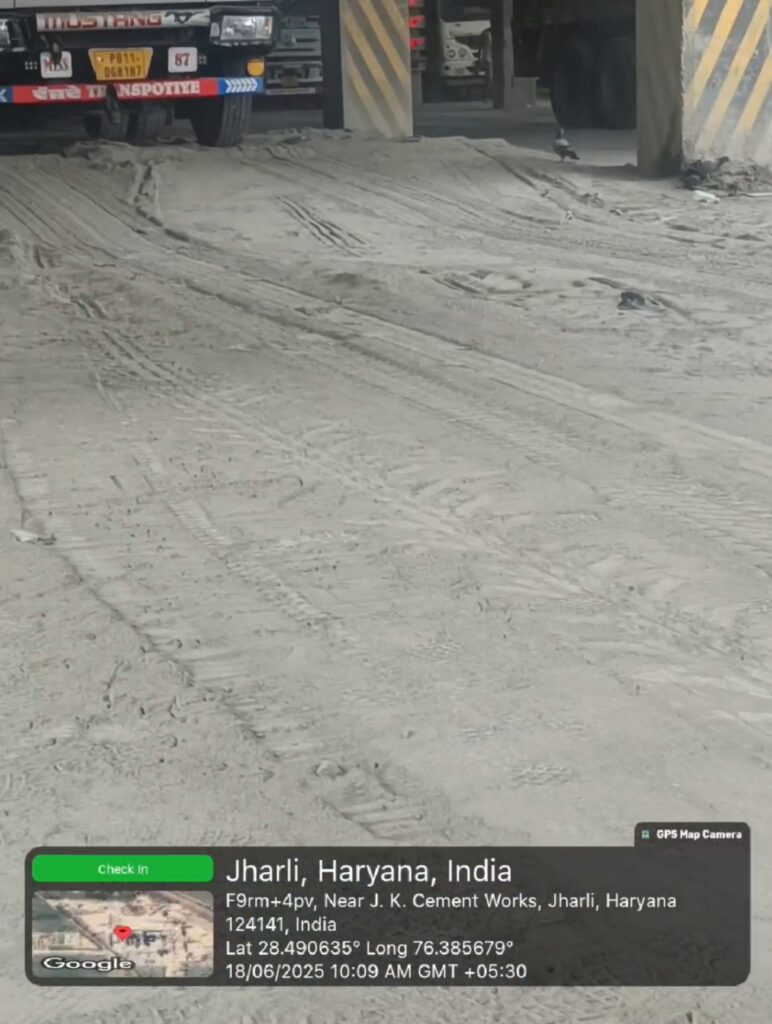
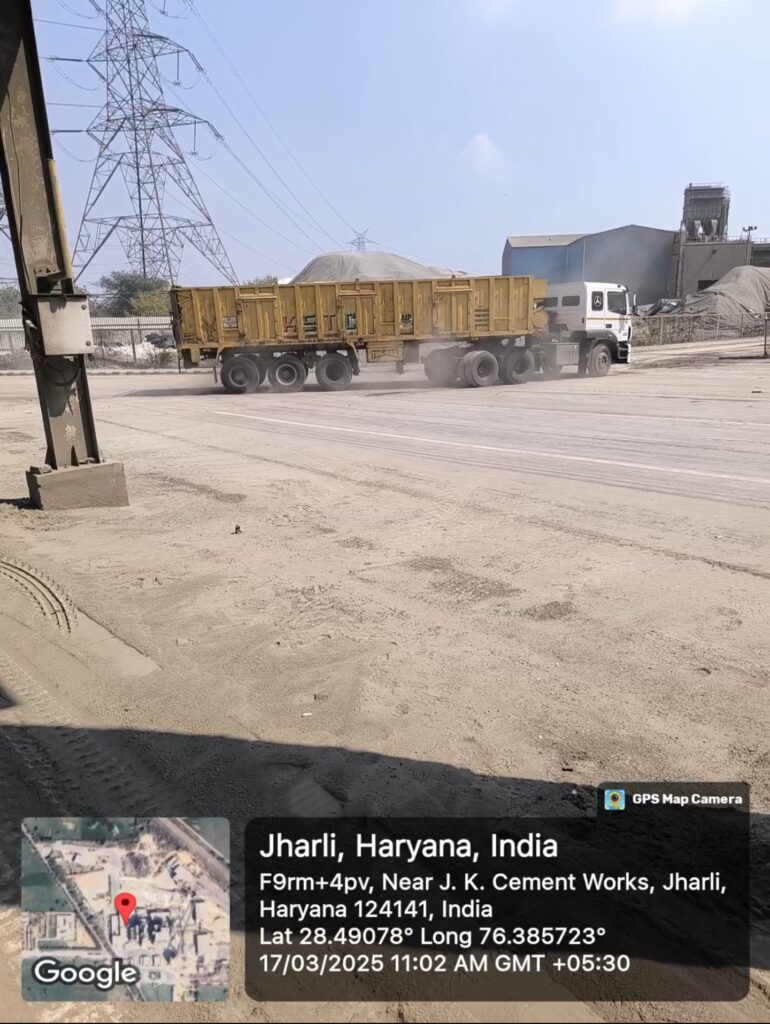
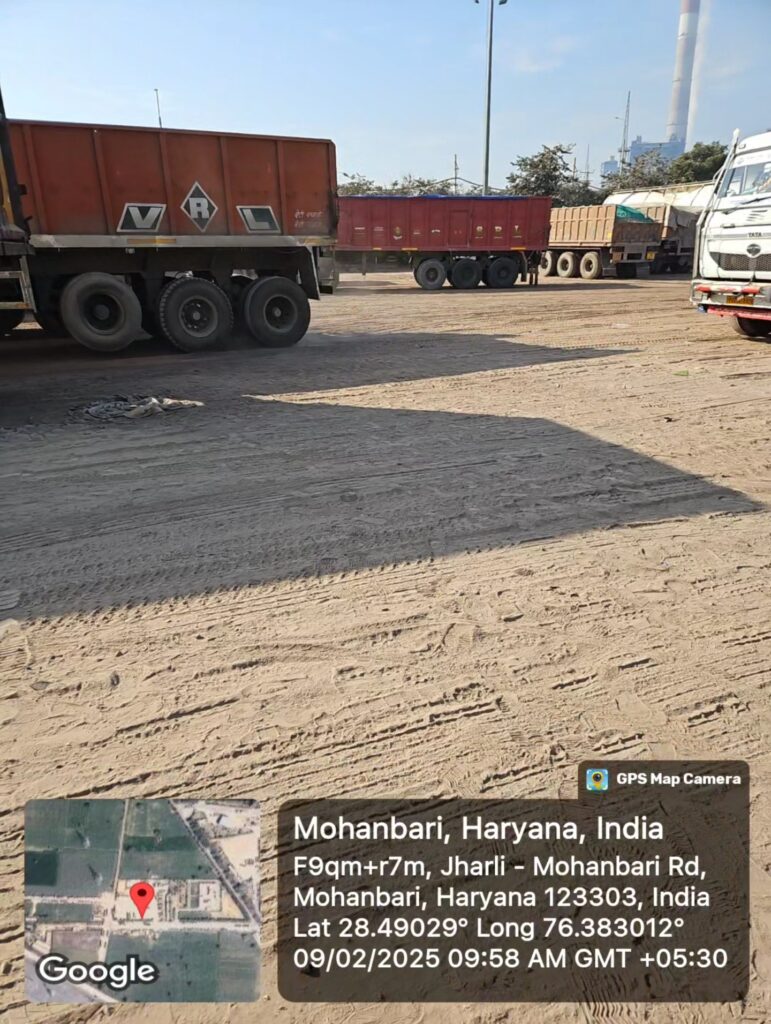
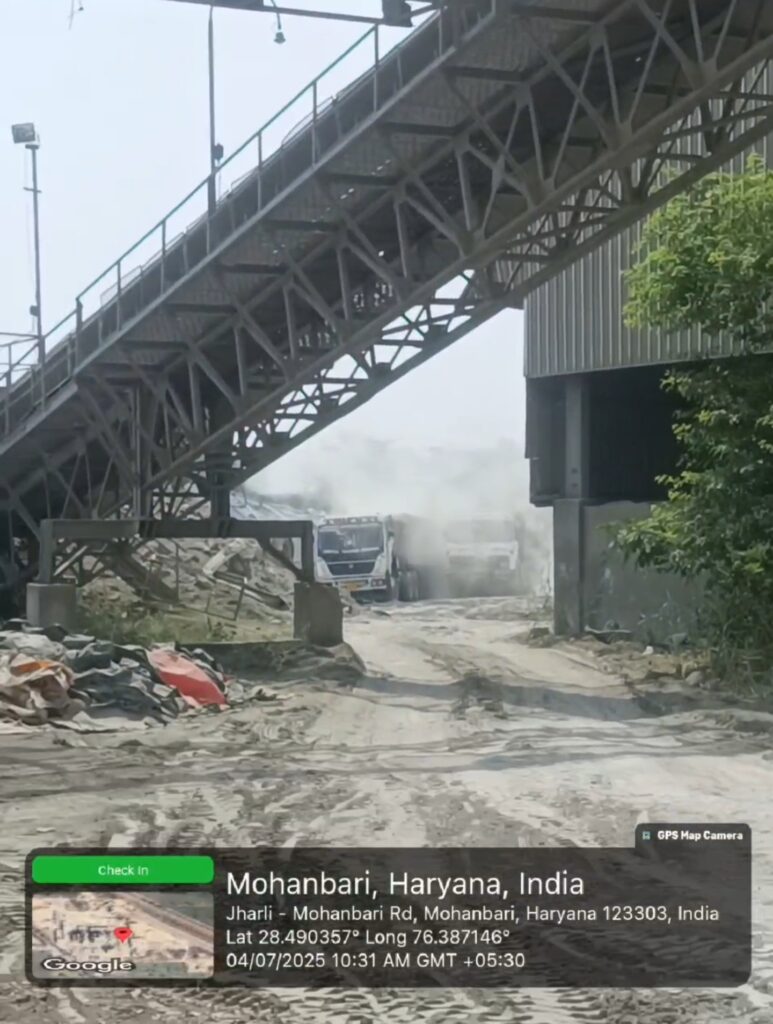
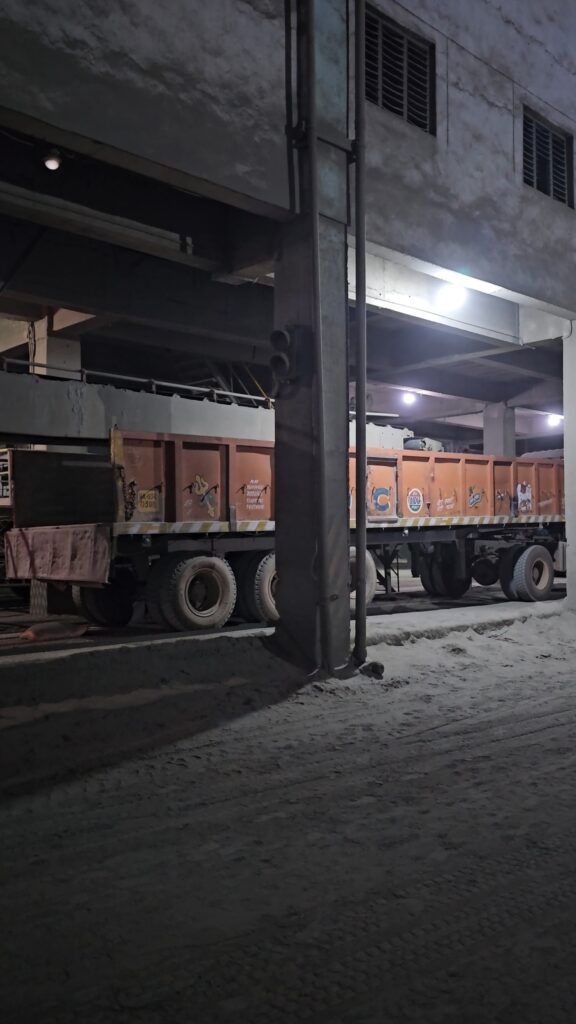
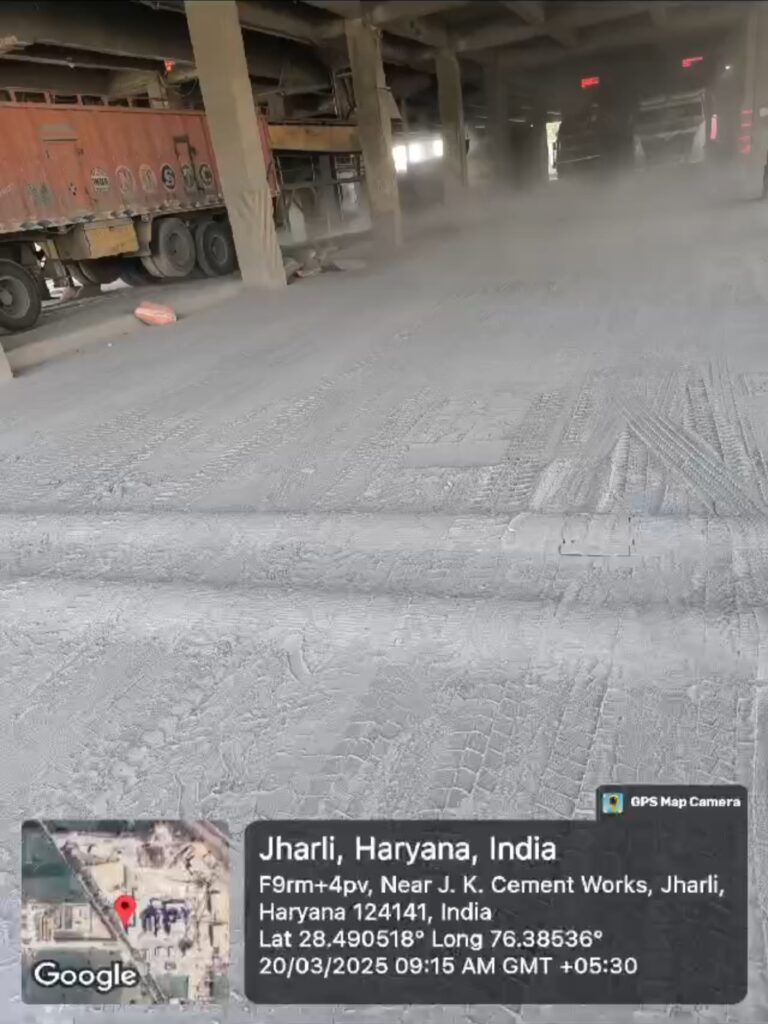
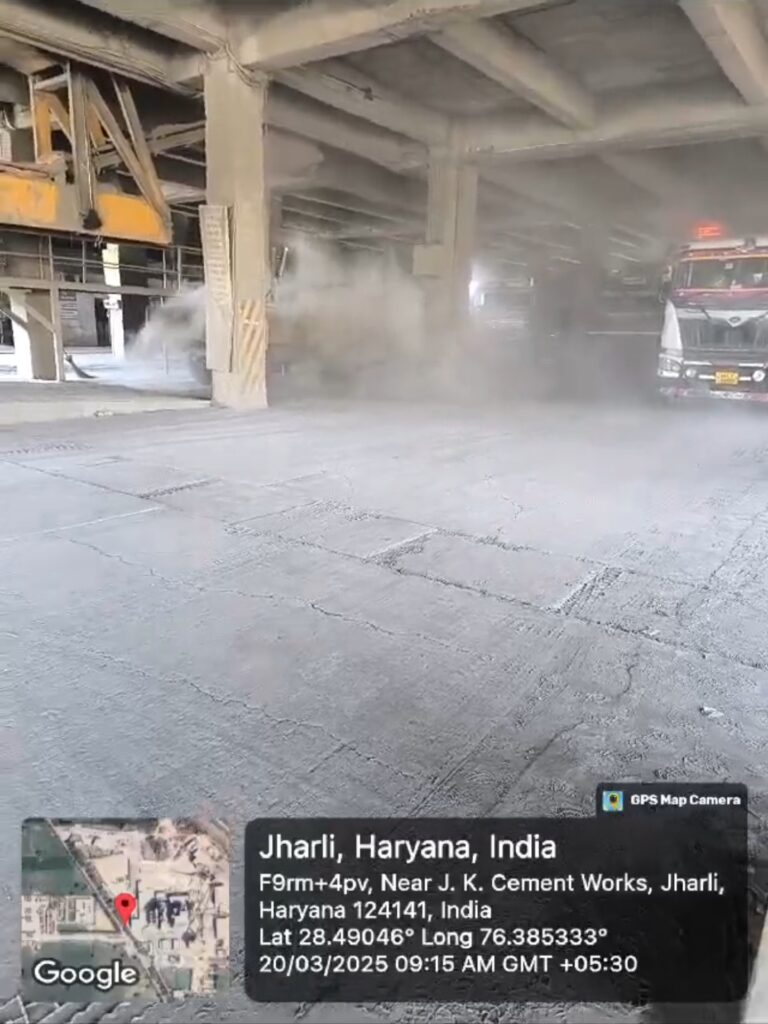
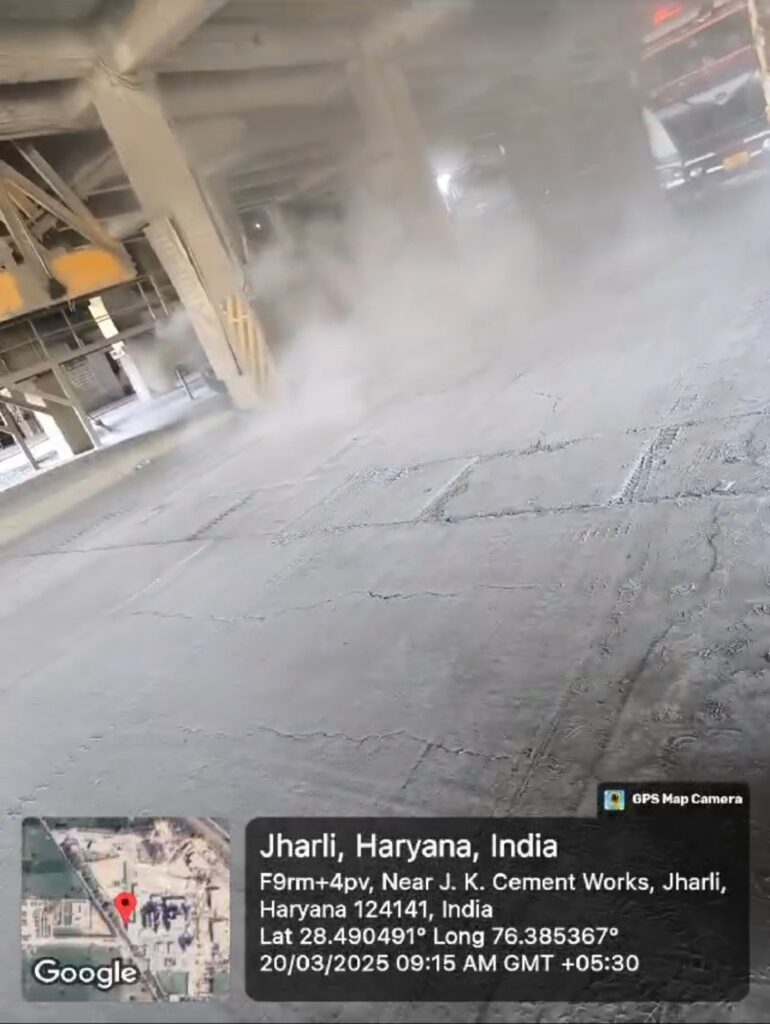
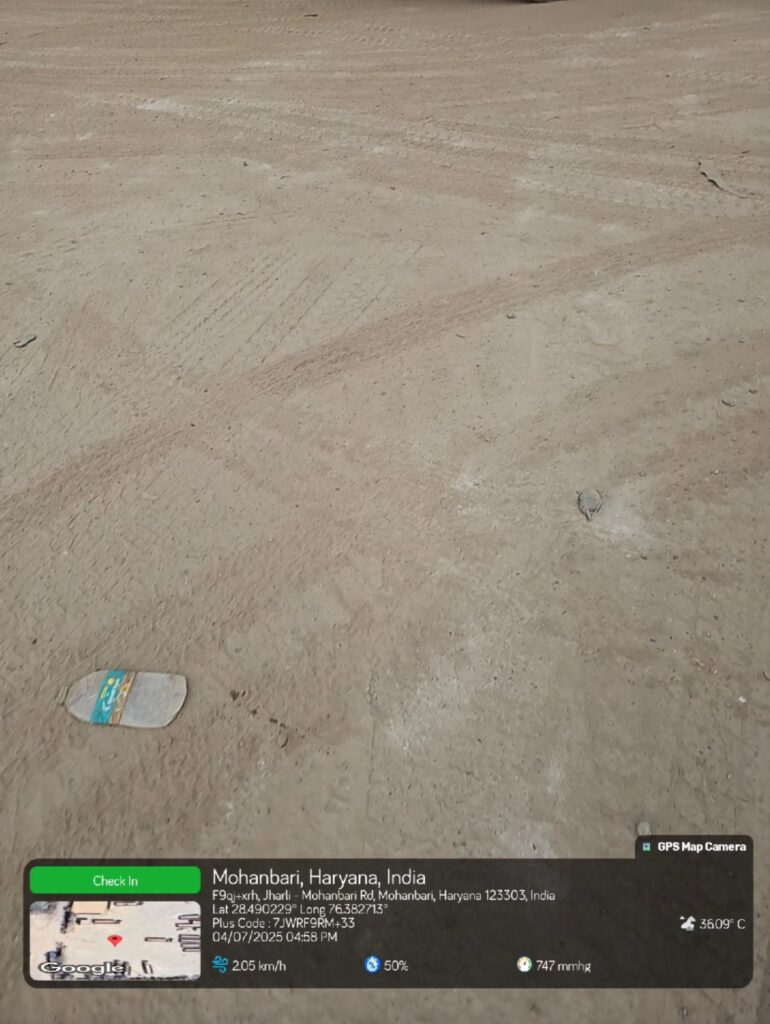
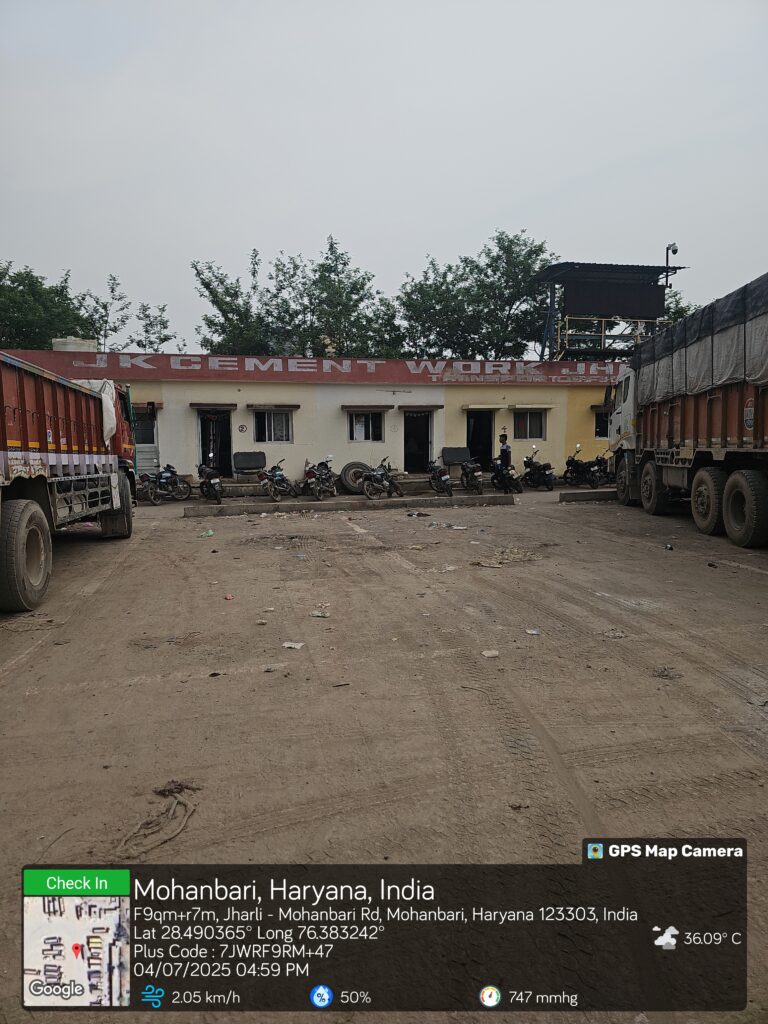
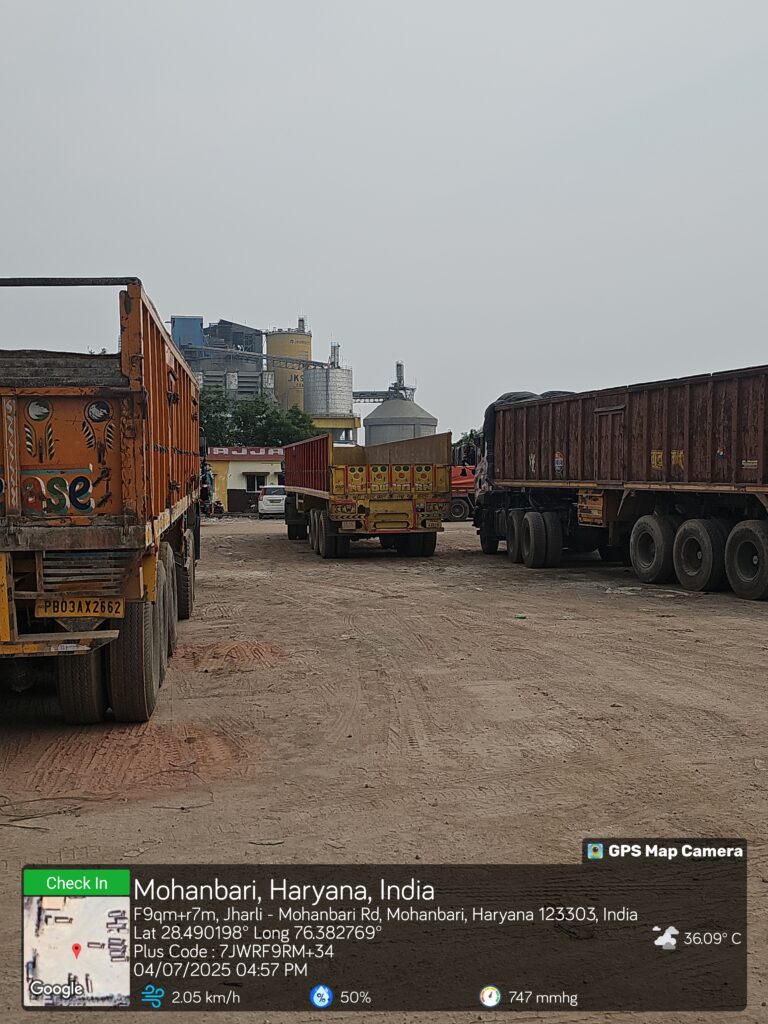
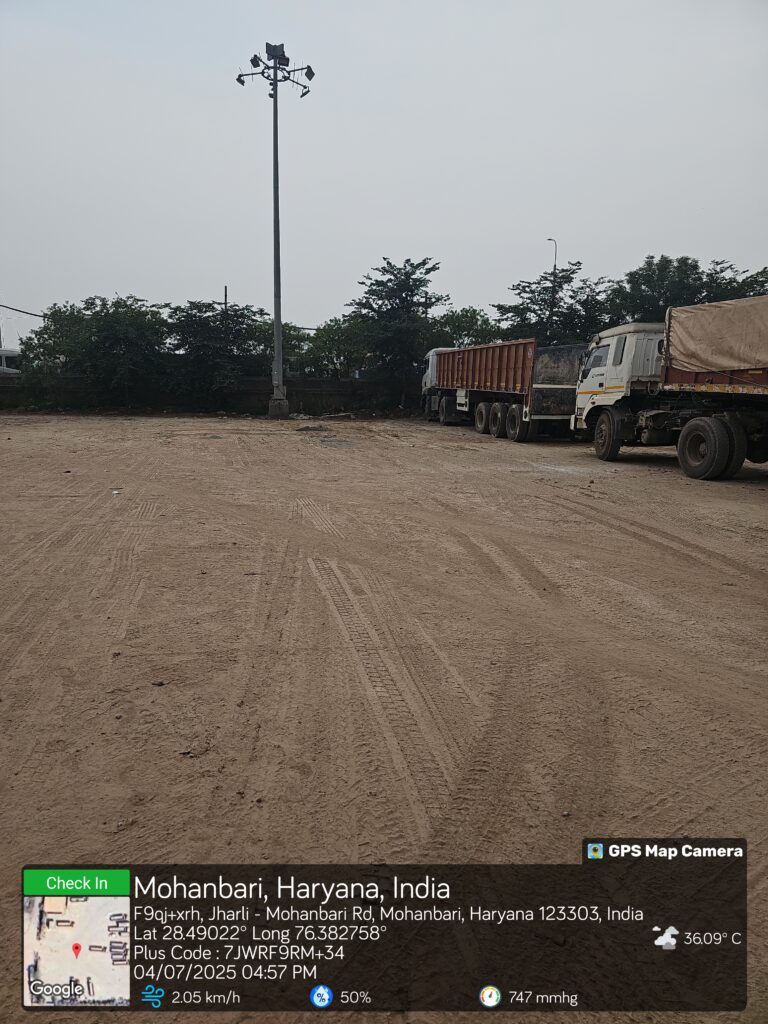
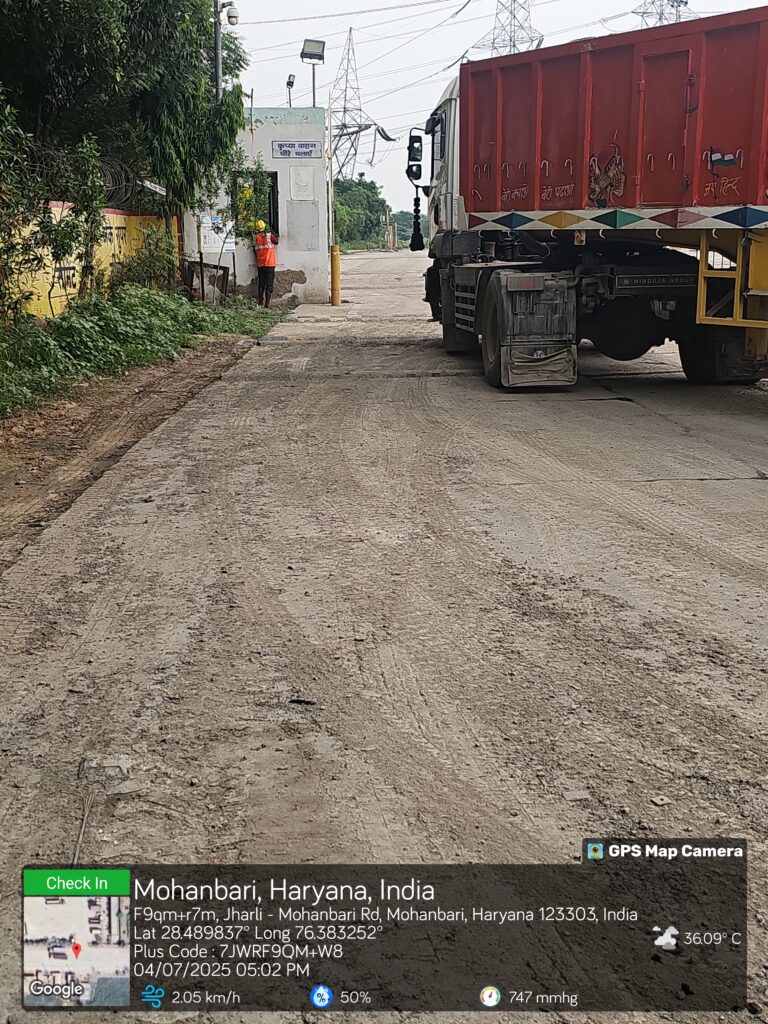
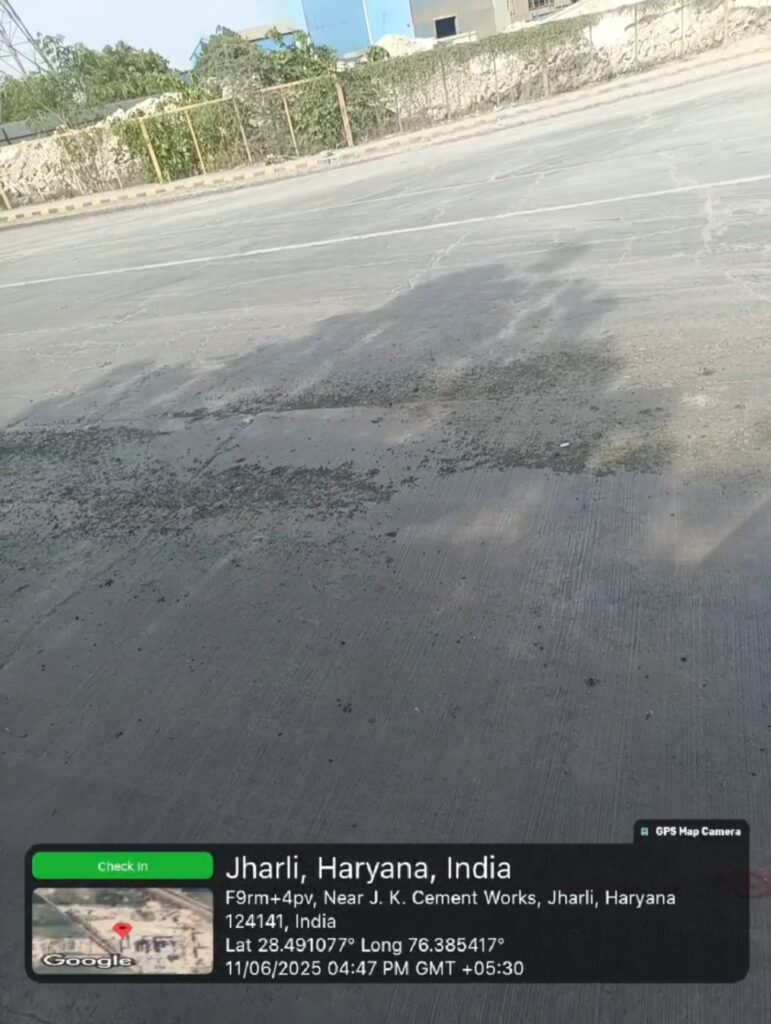
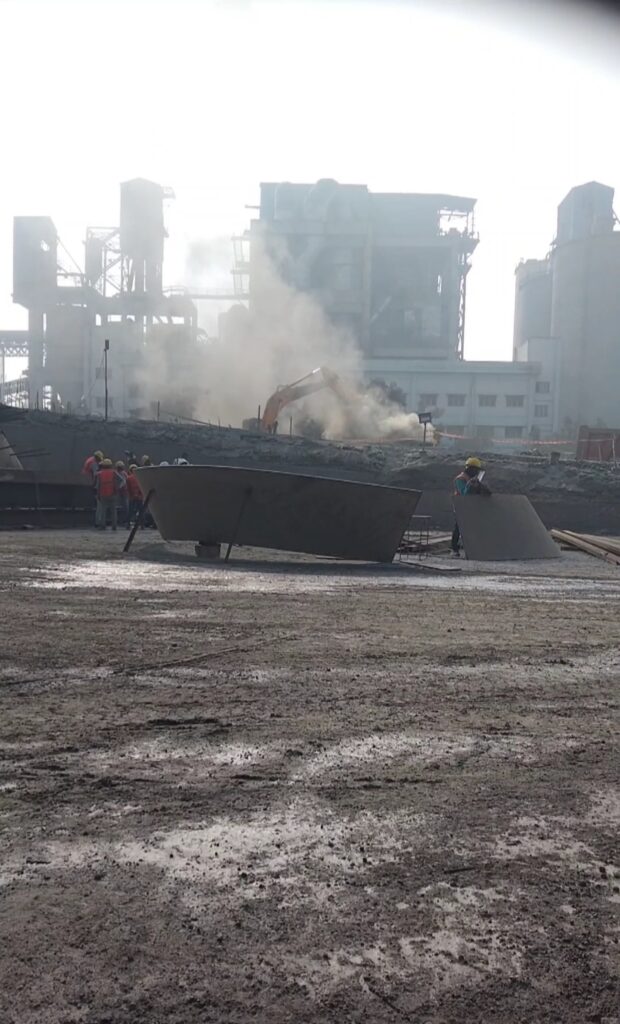
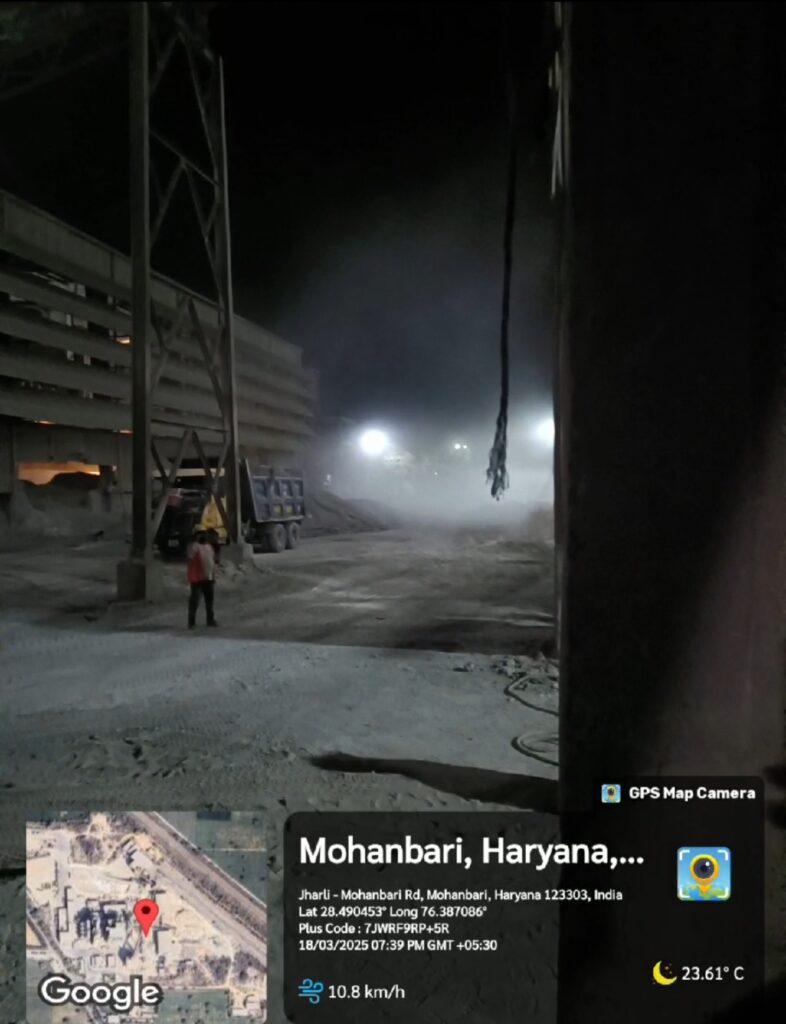
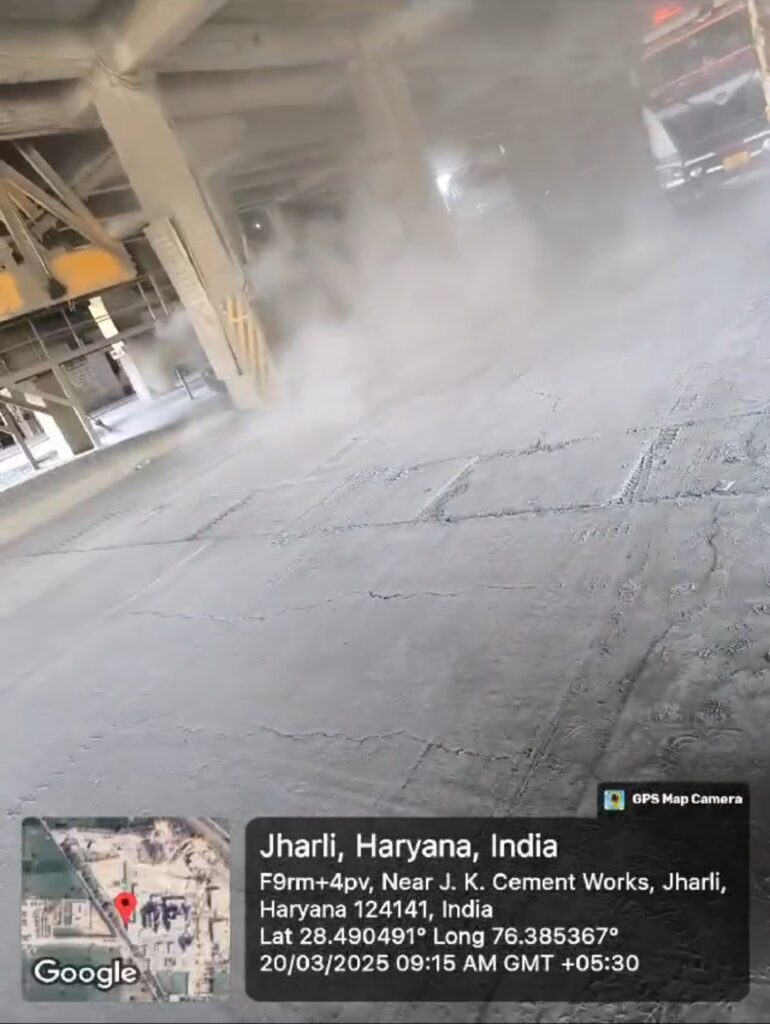
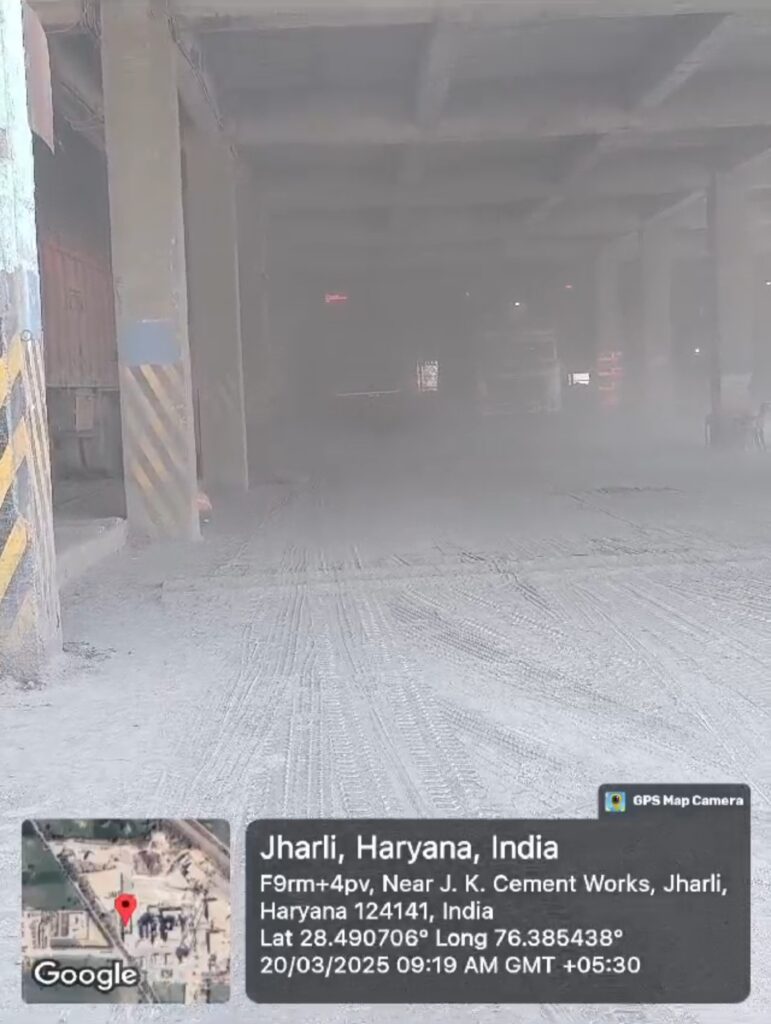
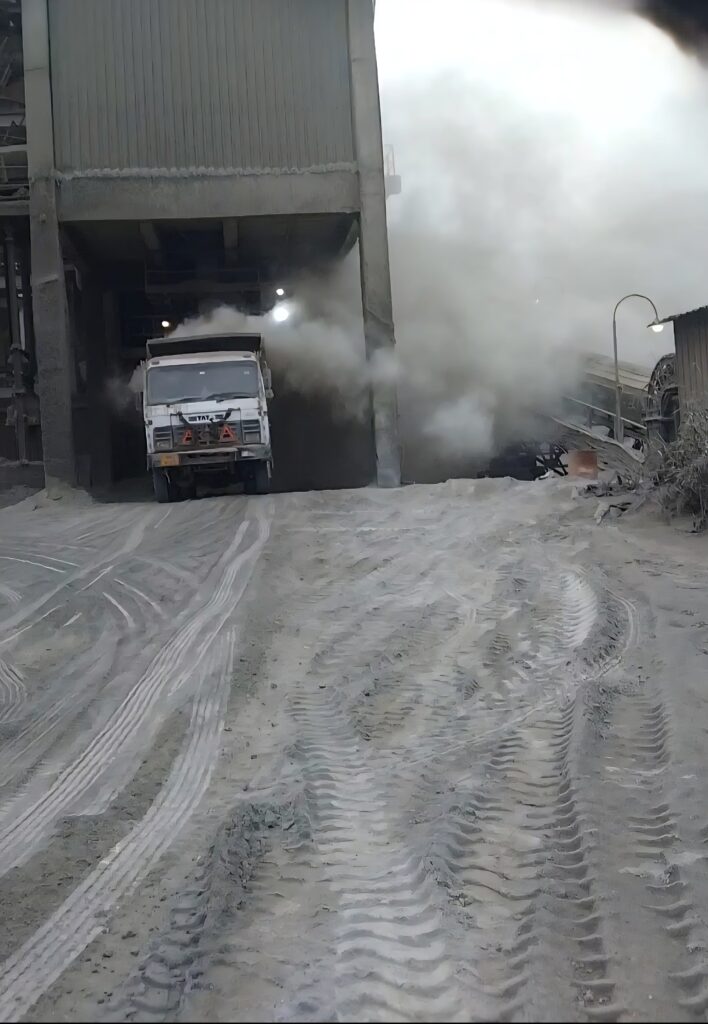
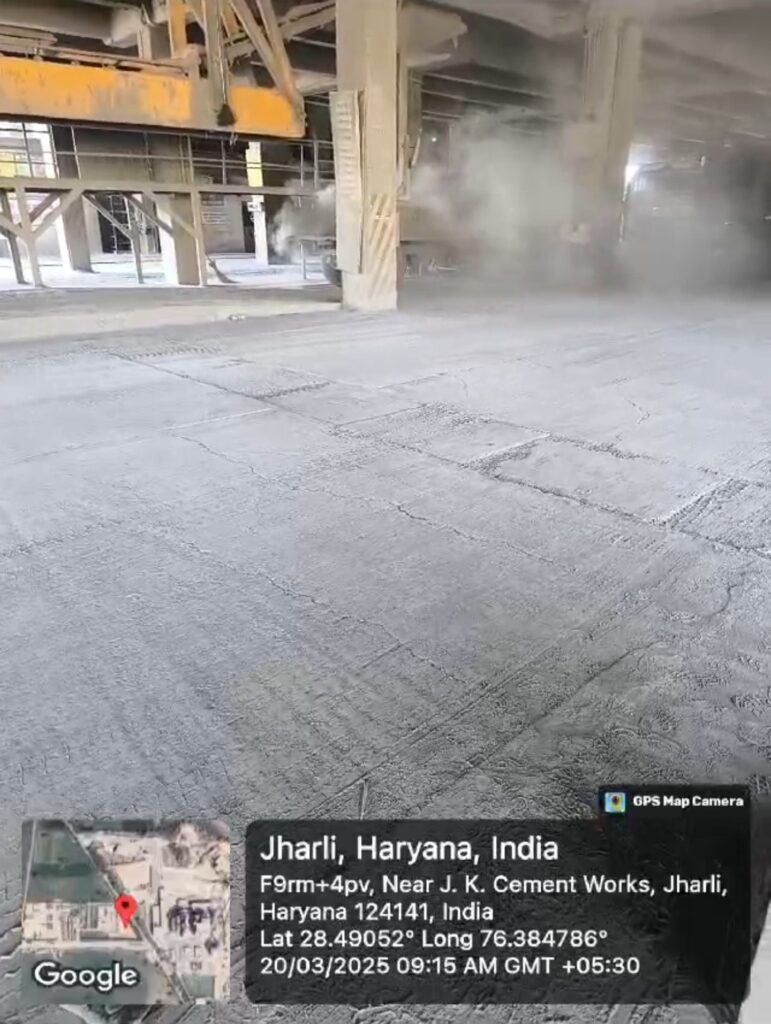
Photos below are given by the company in their compliance report in which the company claims it built concrete roads inside the plant, cleaned them with sweepers and water tankers, and transports raw materials in closed trucks to control dust pollution. However, the photos show cement scattered on these roads, raw materials being moved in open trucks and unloaded with backhoe loaders—causing heavy dust pollution. Trucks moving on these roads continue to release dust into the air.
PHOTOS BY COMPANY
PHOTOS BY COMPANY
PHOTOS BY COMPANY
PHOTOS BY COMPANY

REALITY

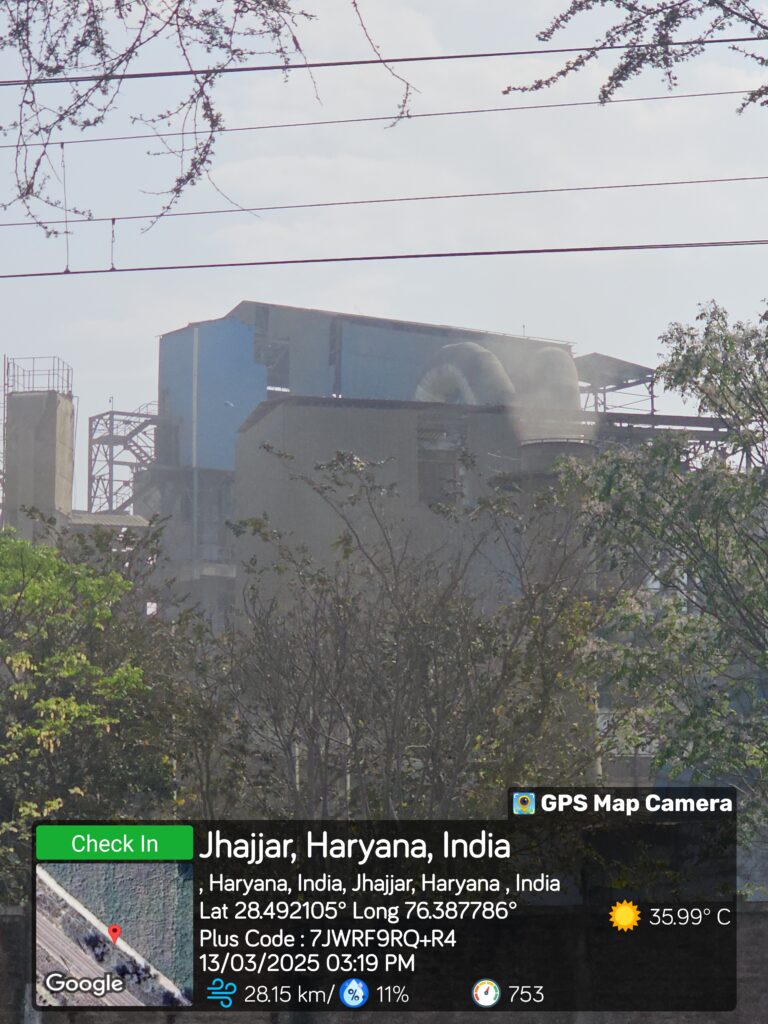
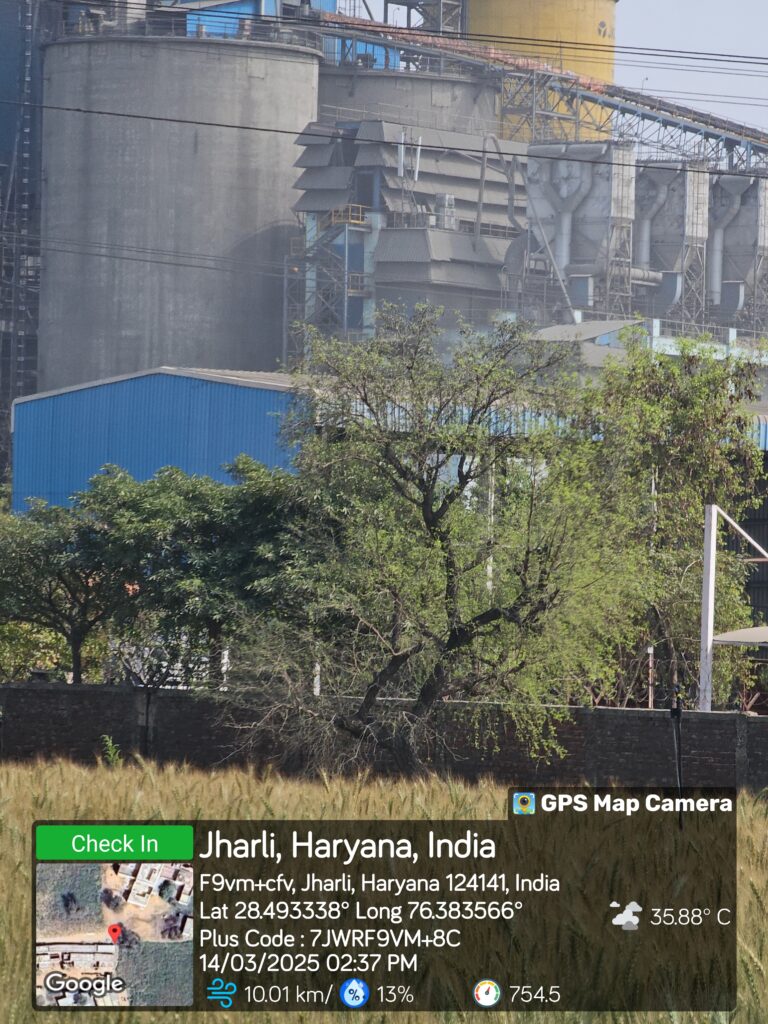
       PHOTOS OF PLANT POLLUTION

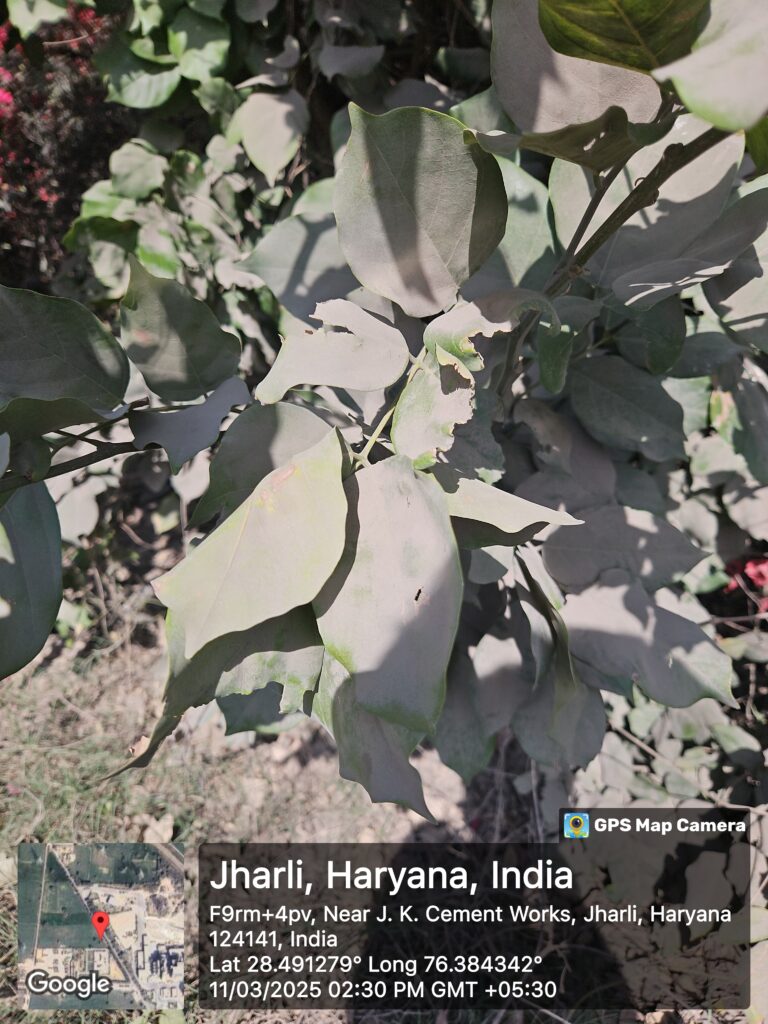
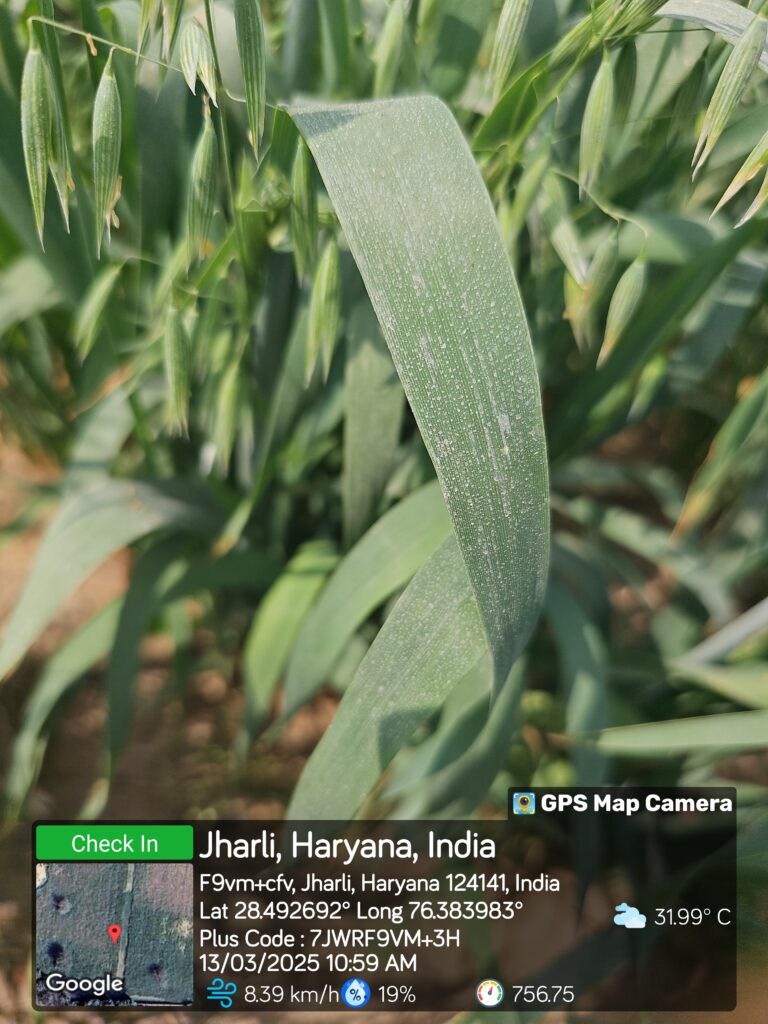
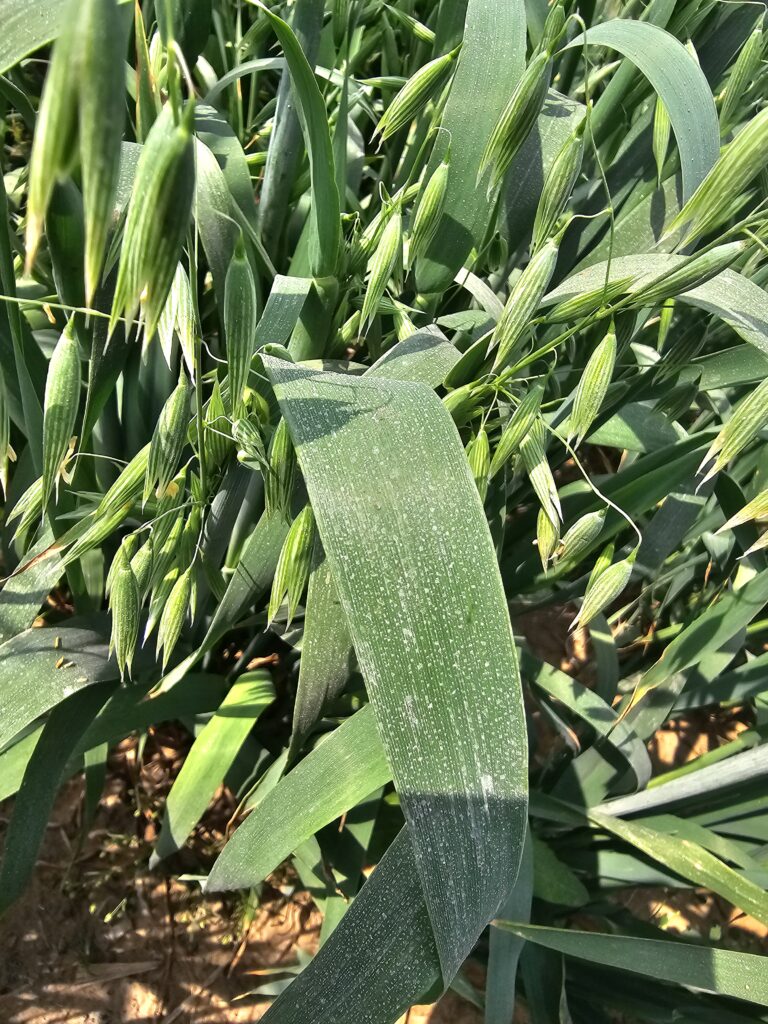
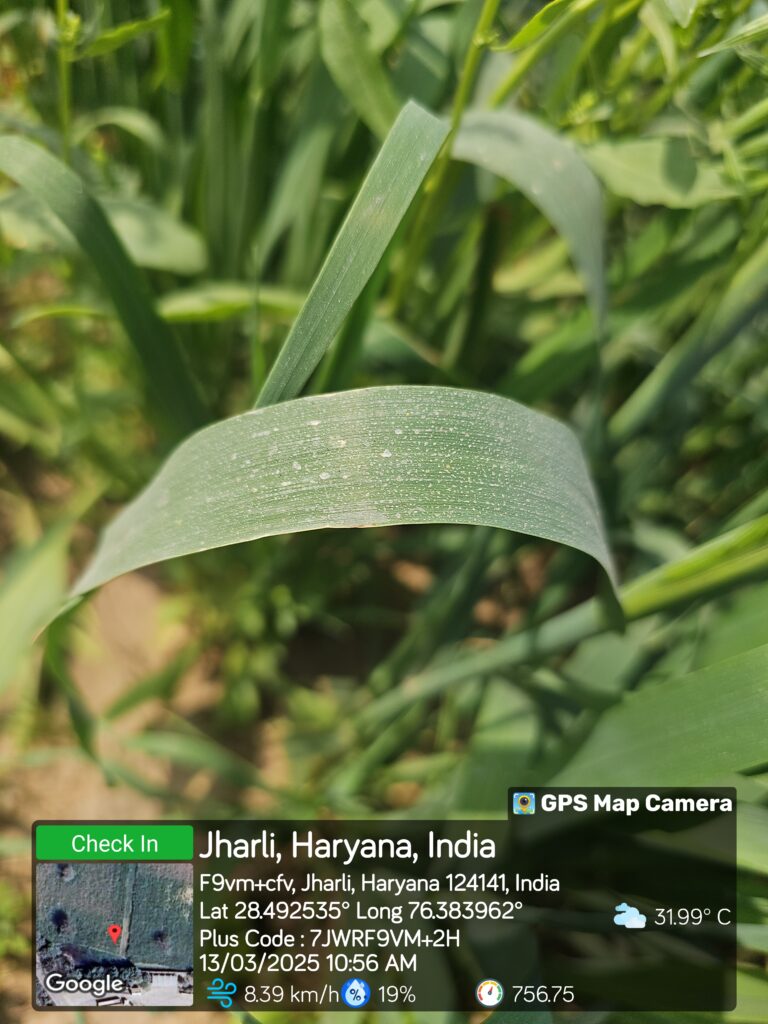
CEMENT ON PLANTS
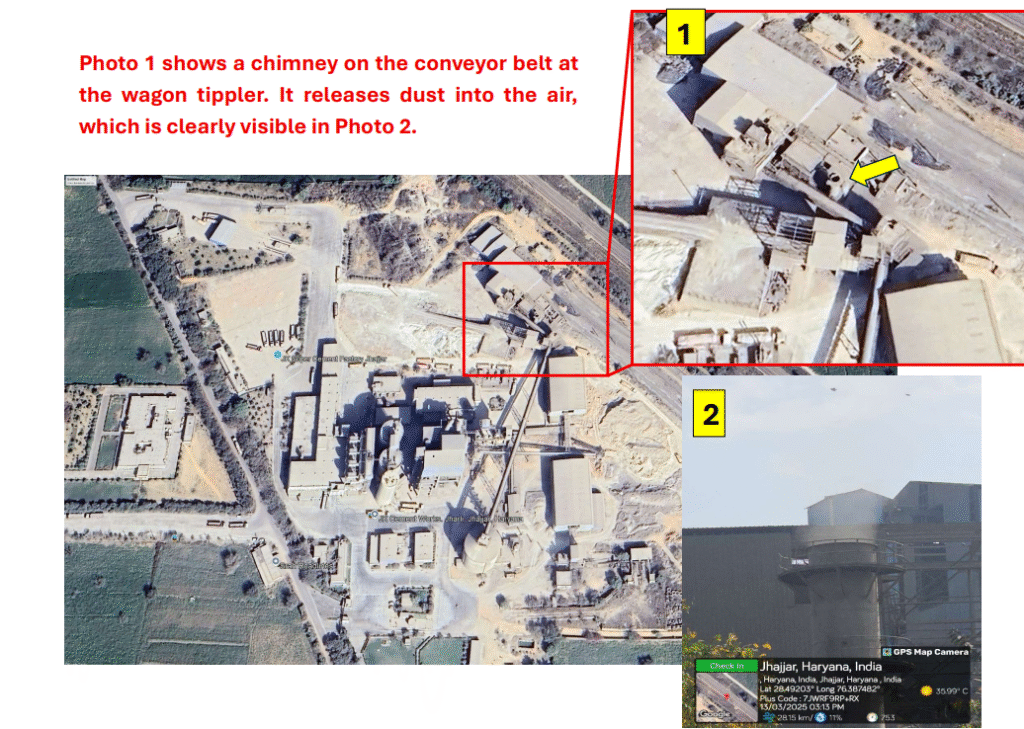
VISIBLE DUST FROM WAGON TIPPLER
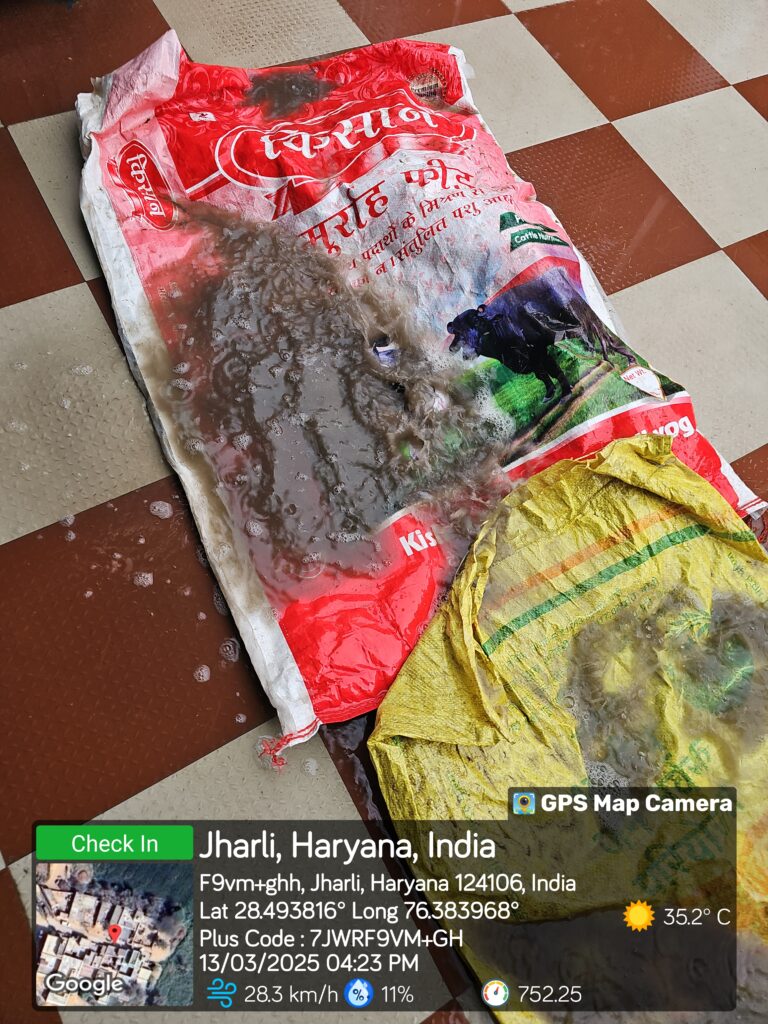
FIRST RAIN WATER FILLED WITH CEMENT
CEMENT ON CROPS
CEMENT ON CROPS
FIRST RAIN WATER FILLED WITH CEMENT
Scroll to Top